
Global Markets Shake over Trumps reaction on Iran: Escalating Middle East Conflict Linked to U.S. Actions (March 4, 2026)
Market Impact: Oil ↑ | Stocks ↓ | Volatility ↑
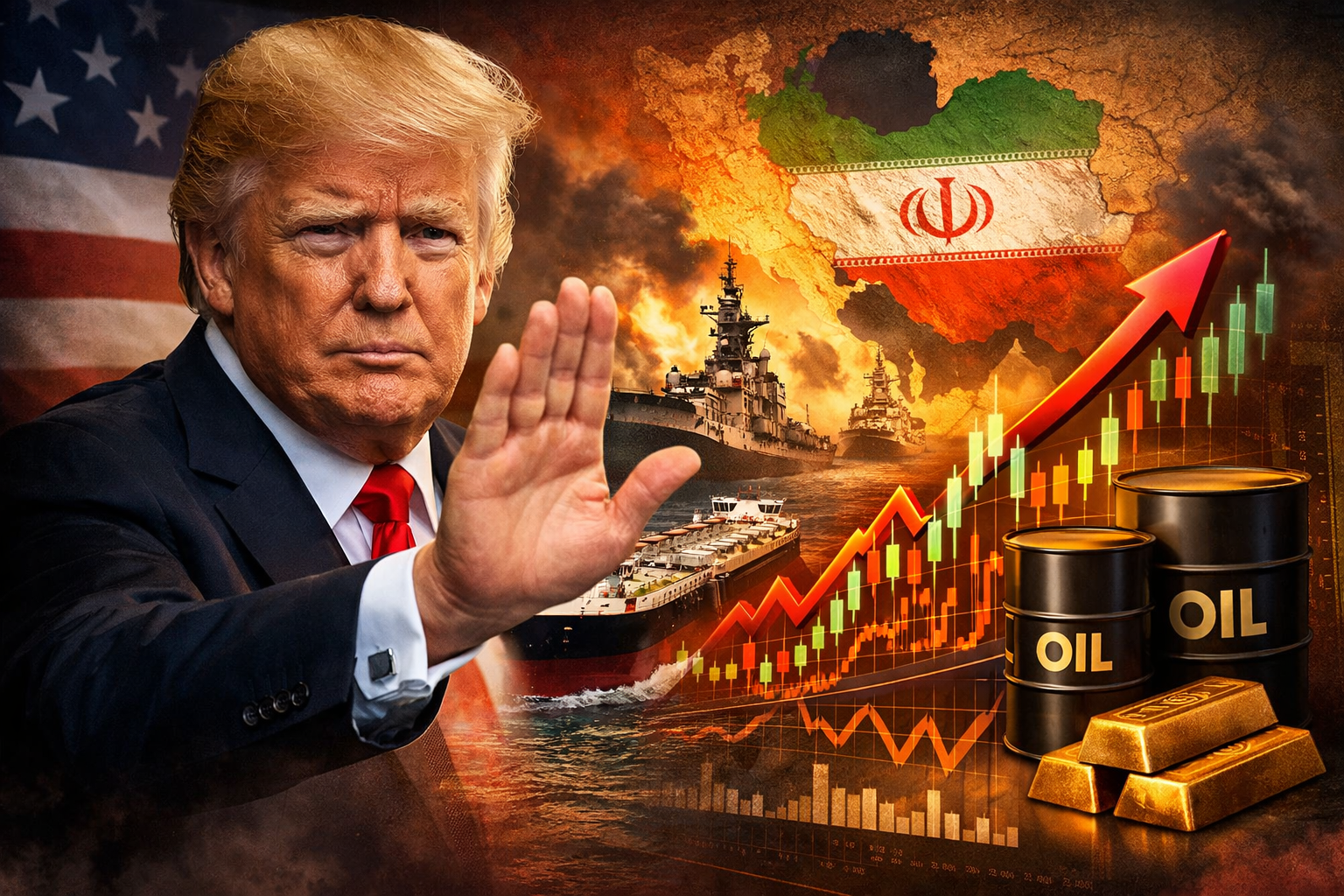
Global financial markets Shake over Trumps reaction on Iran. The market reaction is sharp and volatile due to a rapidly escalating geopolitical crisis in the Middle East involving the United States, Iran, and Israel, with policy decisions and military developments linked to the administration of Donald Trump intensifying investor anxiety across equities, commodities, and foreign exchange markets.
The tensions intensified after reports that Iran moved to restrict shipping through the Strait of Hormuz, one of the most strategically important energy corridors in the world. This narrow maritime passage between Iran and Oman connects the Persian Gulf to the global ocean trade network and serves as the primary export route for oil producers such as Saudi Arabia, Kuwait, United Arab Emirates, and Iraq.

According to energy market analysts, roughly 20% of global crude oil consumption passes through this strategic chokepoint, meaning that any disruption immediately raises fears of supply shortages, price spikes, and inflationary pressure across the global economy. The U.S. Energy Information Administration has repeatedly described the Strait of Hormuz as “the world’s most important oil transit chokepoint.”
You can read more about the strategic significance of the Strait of Hormuz here:
- https://www.eia.gov/todayinenergy/detail.php?id=18951
- https://www.britannica.com/place/Strait-of-Hormuz
As tensions intensified, reports emerged that U.S. forces engaged several Iranian naval vessels in the region, further escalating the conflict and increasing the possibility of a prolonged disruption to shipping routes. Military analysts believe the incident could trigger a broader naval security operation across the Gulf to prevent attacks on commercial shipping vessels and oil tankers.
In response to the developing situation, former U.S. President Donald Trump indicated that the United States could deploy naval escorts to protect commercial oil tankers navigating the Gulf. Such a strategy has precedent: during past periods of regional instability, U.S. naval forces escorted tankers to ensure uninterrupted energy supply chains and stabilize international markets.
Financial markets immediately responded to the heightened geopolitical risk. Energy traders pushed oil prices sharply higher as concerns about supply disruptions intensified. Brent crude oil, the global benchmark for energy pricing, surged above $82 per barrel, reflecting fears that shipping disruptions could reduce the availability of crude in international markets.

4
You can monitor live oil price movements here:
Equity markets around the world reacted negatively to the uncertainty. Major Asian indices experienced sharp declines as investors rapidly reduced exposure to risk assets. In particular, KOSPI, the benchmark index for South Korea, reportedly dropped by more than 11% during the selloff, highlighting the degree of investor concern about the potential economic fallout of the conflict.

Wall Street also experienced downward pressure as traders assessed the broader economic implications of rising oil prices, increased geopolitical tensions, and the possibility of renewed inflationary pressures that could influence future policy decisions by the Federal Reserve.
More global market coverage can be found here:
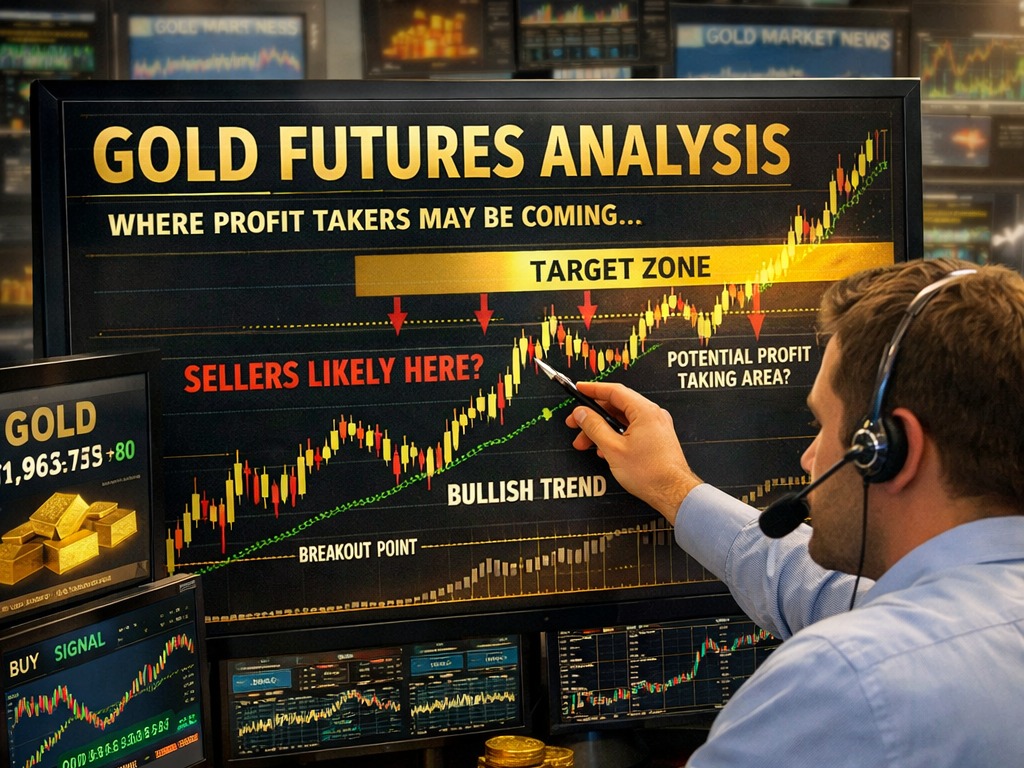
At the same time, investors began shifting capital into traditional safe-haven assets, instruments that historically perform well during periods of geopolitical instability or financial uncertainty. The most notable beneficiary of this shift has been Gold, which often attracts demand during crises because it is viewed as a store of value that is not directly tied to government monetary policy or corporate earnings performance.
4
Live gold price tracking can be viewed here:
The ripple effects of the conflict extend far beyond commodities markets. Several industries are particularly sensitive to energy price volatility and geopolitical instability. Oil and energy companies often benefit from rising crude prices, while airlines and transportation firms typically suffer due to higher fuel costs. Meanwhile, global shipping companies face rising insurance premiums and increased operational risks when navigating conflict-prone waters.
The broader market concern centers on inflation. If energy prices remain elevated for an extended period, higher transportation and manufacturing costs could cascade through supply chains, pushing consumer prices upward across multiple sectors. This scenario could complicate monetary policy decisions and potentially delay interest-rate cuts that investors have been anticipating.

For traders, investors, and policymakers alike, the key question now is whether the situation will stabilize quickly or evolve into a prolonged geopolitical confrontation capable of reshaping global energy markets and financial risk sentiment in the months ahead.
U.S. Stock Market Already Reacting
Market Impact: S&P 500 ↓ | VIX ↑
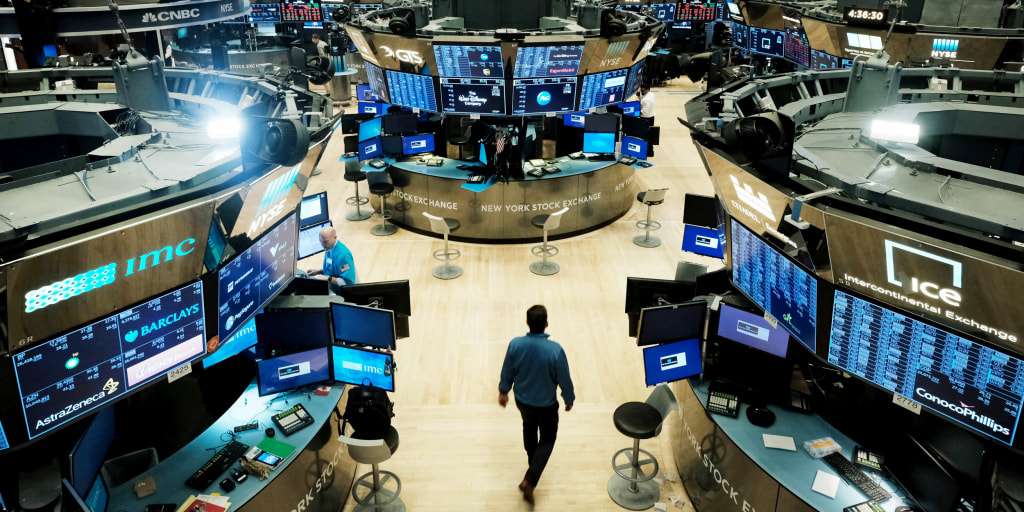
Financial markets in the United States are already responding to the rising geopolitical tensions in the Middle East, with major equity indices on Wall Street closing lower as investors reassess risk across global markets. Concerns that the escalating conflict could push energy prices higher and trigger renewed inflation pressures have led traders to reduce exposure to risk assets while seeking protection in safer investments.
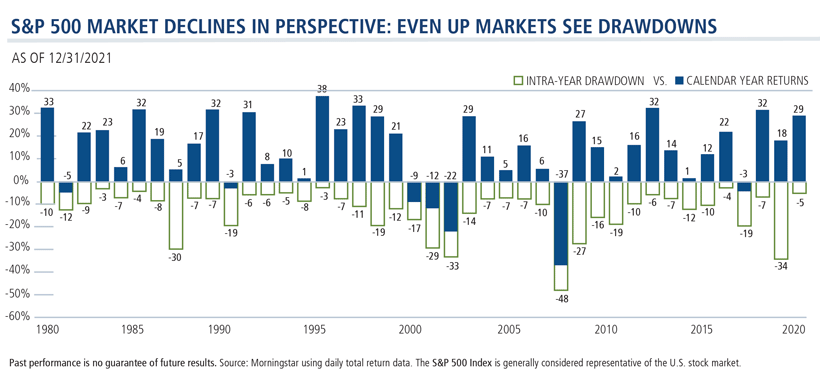
The selloff was visible across the three major U.S. stock benchmarks. The S&P 500, which tracks the performance of 500 of the largest publicly traded companies in the United States, declined by 0.94% during the trading session. At the same time, the Dow Jones Industrial Average, a key index representing large blue-chip companies, fell by 0.83%, while the technology-heavy Nasdaq Composite dropped by 1.02% as growth stocks faced additional pressure from rising uncertainty.
You can track these major U.S. indices in real time here:
- https://www.tradingview.com/markets/indices/
- https://www.marketwatch.com/investing/index/spx
- https://www.investing.com/indices/us-spx-500
The decline across U.S. equities coincided with a sharp increase in market volatility. The CBOE Volatility Index (VIX), often referred to as the “fear gauge” of the stock market, surged to its highest level since November. The VIX measures expected volatility in the S&P 500 options market, and rising levels typically indicate that investors are purchasing protective options to hedge against potential market downturns.
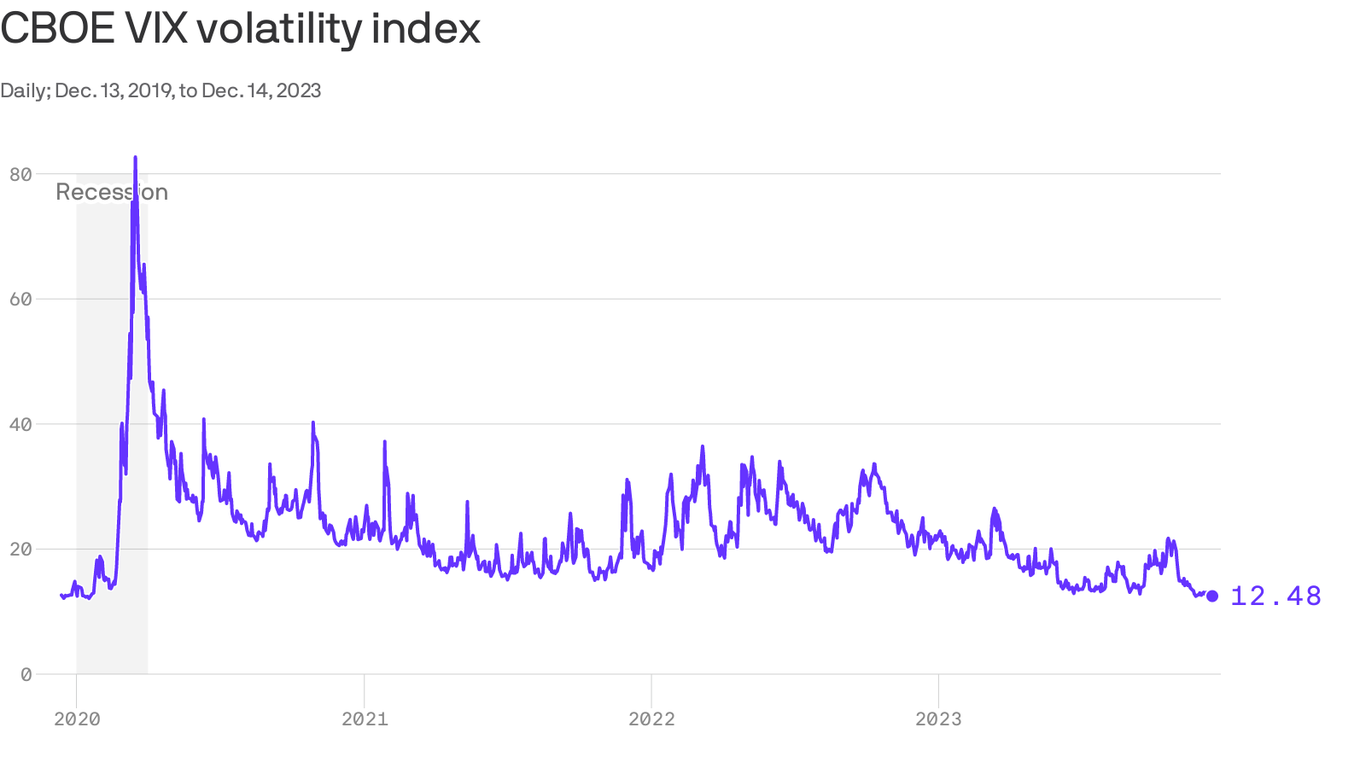

The spike in volatility reflects growing concerns about several interconnected risks facing the global economy. First, the potential disruption to energy supplies caused by instability around the Strait of Hormuz could drive oil prices higher. Rising energy costs would increase transportation and manufacturing expenses worldwide, which could ultimately push consumer prices upward.
Second, the possibility of higher oil prices is raising fears that inflation could accelerate again, complicating the policy path for the Federal Reserve. Over the past year, central banks have been attempting to bring inflation under control through tighter monetary policy. If energy-driven inflation resurfaces, policymakers may be forced to maintain higher interest rates for longer than investors currently expect.
More information about Federal Reserve policy and inflation can be found here:
In addition to inflation concerns, investors are closely monitoring the potential effects of the conflict on global supply chains. Shipping disruptions, rising insurance costs for cargo vessels, and longer transportation routes could slow international trade and increase logistical expenses for multinational companies.
These risks are particularly significant for industries that depend heavily on global supply networks, including technology manufacturers, automobile companies, and consumer goods producers. As a result, sectors that rely on complex supply chains are often among the first to experience investor caution during periods of geopolitical instability.
Overall, the reaction in U.S. equities highlights how sensitive financial markets remain to geopolitical developments. While the direct conflict is occurring thousands of miles away, the interconnected nature of global trade, energy supply, and financial markets means that events in the Middle East can quickly ripple through stocks, commodities, currencies, and bond markets worldwide.
For investors and traders, the key indicators to watch in the coming days will be oil prices, shipping activity in the Persian Gulf, movements in the VIX volatility index, and signals from the Federal Reserve about how rising geopolitical risks might influence the future path of interest rates.
Trump Proposes Measures to Protect Oil Shipping

Amid rising geopolitical tensions and fears of disruption to global energy supplies, Donald Trump has proposed a series of measures aimed at protecting commercial shipping routes in the Persian Gulf, particularly around the strategically vital Strait of Hormuz. The proposal includes the possibility that the United States Navy could provide armed escorts for oil tankers navigating the Gulf, ensuring that vessels transporting crude oil can continue to pass safely through one of the world’s most important maritime energy corridors.
The Strait of Hormuz remains a critical artery for the global oil market, linking the Persian Gulf to international shipping lanes and facilitating the export of crude oil from major producers such as Saudi Arabia, Kuwait, United Arab Emirates, and Iraq. According to the U.S. Energy Information Administration, roughly 20% of global oil consumption passes through this narrow waterway each day, making it one of the most strategically sensitive shipping routes in the global economy.
For further reading about global oil transport chokepoints:
- https://www.eia.gov/todayinenergy/detail.php?id=18951
- https://www.britannica.com/place/Strait-of-Hormuz
In addition to naval escorts, Trump suggested the possibility of implementing “political risk insurance” for shipping companies operating in the Gulf. Such insurance mechanisms are designed to protect ship owners and cargo operators against financial losses resulting from geopolitical instability, military conflict, or maritime security threats. In periods of heightened tension, insurance premiums for vessels traveling through high-risk areas can increase dramatically, sometimes multiplying several times within days.
If the proposed measures are implemented successfully, they could help stabilize global energy markets in several ways. First, a visible military escort program could reduce the likelihood of attacks or disruptions to commercial shipping, thereby ensuring that oil exports continue to flow without interruption. Second, the presence of naval protection may reduce the risk premiums charged by maritime insurers, lowering operational costs for shipping companies and energy traders.


Lower insurance costs and improved shipping security could ultimately calm energy markets by reducing fears of sudden supply disruptions. When energy traders believe that oil shipments will continue moving reliably through critical chokepoints, volatility in crude oil prices often declines and market sentiment stabilizes.
You can monitor global oil market reactions here:
However, despite these proposed measures, many investors remain cautious. The broader geopolitical situation in the Middle East continues to evolve rapidly, and the potential for further escalation between Iran, Israel, and Western allies means that the risks to global shipping and energy supply have not yet been fully resolved.
Financial markets typically react not only to policy announcements but also to the perceived credibility and timing of those policies. Even if naval escorts are deployed, traders will be closely monitoring developments in the region, including naval confrontations, missile activity, and diplomatic negotiations.
As a result, investors are likely to remain cautious in the near term. Energy markets may continue experiencing volatility, while traders closely watch oil prices, shipping activity in the Persian Gulf, and geopolitical headlines that could influence the balance between global supply stability and market risk sentiment.
Ongoing Trump Trade Policy Risks (Still Moving Markets)


Beyond the immediate geopolitical tensions in the Middle East, global financial markets are also continuing to react to the broader economic policies associated with Donald Trump, particularly his aggressive trade stance toward several major global economies. Investors and economists remain concerned that renewed trade disputes and tariff threats could destabilize global commerce, increase inflationary pressures, and slow economic growth across multiple regions.
In recent months, Trump has reiterated the possibility of imposing higher tariffs on imports from several countries, a policy approach designed to protect domestic industries but one that often triggers retaliatory measures from trading partners. Tariffs function as taxes on imported goods, raising their prices in domestic markets and potentially reducing demand for foreign products. While this may benefit certain domestic industries in the short term, economists warn that widespread tariffs can disrupt supply chains and increase costs for businesses that rely on global sourcing.
Trade tensions remain particularly sensitive between the United States and China, two of the world’s largest economies and critical pillars of global manufacturing and trade. Previous rounds of tariffs between the two countries significantly impacted industries ranging from technology to agriculture, while also contributing to volatility in global equity markets and foreign exchange rates.
More details on global trade tensions can be found here:
- https://www.reuters.com/markets
- https://www.bloomberg.com/economics
- https://www.imf.org/en/Topics/trade
These policies have created uncertainty around global supply chains, which are highly interconnected systems linking manufacturers, shipping companies, and retailers across multiple continents. Modern manufacturing often depends on components sourced from multiple countries before final assembly, meaning that tariffs or trade restrictions can disrupt production schedules, increase costs, and reduce overall efficiency.


4
Financial markets have already experienced significant reactions to these policy uncertainties. Earlier in 2026, several major global stock markets experienced sharp selloffs as investors adjusted expectations for corporate earnings and international trade activity. Companies with heavy exposure to global supply chains — including technology manufacturers, automotive firms, and multinational retailers — were among the most affected.
Currency markets have also shown heightened volatility as traders attempt to price in potential shifts in global trade flows. Exchange rates often move rapidly during periods of trade uncertainty because tariffs can alter the competitiveness of exports and imports between countries. For example, escalating trade tensions between major economies can influence the relative strength of the U.S. Dollar, the Chinese Yuan, and other globally traded currencies.
You can monitor currency and global market movements here:
Economists are also warning that prolonged trade disputes could weaken global economic growth. Organizations such as the International Monetary Fund and the World Trade Organization have previously cautioned that escalating tariffs and trade barriers can slow international investment, reduce cross-border commerce, and dampen global economic expansion.
Ultimately, the combination of geopolitical conflict and renewed trade tensions creates a complex risk environment for investors. Markets must now navigate both military developments in energy-critical regions and policy decisions that could reshape global trade patterns. As a result, traders and policymakers alike are closely watching upcoming announcements related to tariffs, international negotiations, and supply chain stability, all of which could significantly influence the trajectory of global markets in the months ahead.
Crypto & Regulatory News

Alongside developments in global geopolitics and trade policy, the regulatory environment surrounding cryptocurrencies has also become a key focus for investors following new proposals supported by Donald Trump. The initiative centers on a proposed piece of legislation referred to as the “Clarity Act,” which aims to introduce clearer regulatory frameworks for digital assets and cryptocurrency markets in the United States.

The cryptocurrency sector has long faced regulatory uncertainty, particularly regarding how digital assets should be classified and supervised by financial authorities. Agencies such as the U.S. Securities and Exchange Commission and the Commodity Futures Trading Commission have historically taken different approaches to regulating crypto markets, leading to ongoing debates about whether certain tokens should be treated as securities, commodities, or entirely new financial instruments.
The proposed Clarity Act seeks to address these issues by providing more explicit definitions and regulatory guidelines for digital asset companies, exchanges, and investors. Advocates argue that clearer rules could encourage innovation and attract institutional capital into the crypto sector, while critics warn that stricter oversight could impose new compliance burdens on cryptocurrency firms.
You can follow major cryptocurrency market developments here:


If enacted, the legislation could have several potential effects on financial markets. First, it could significantly influence how cryptocurrency exchanges operate in the United States by requiring greater transparency, reporting standards, and compliance with financial regulations. Exchanges dealing with major cryptocurrencies such as Bitcoin and Ethereum could face stricter operational requirements, which may reshape the competitive landscape of the industry.
Second, regulatory clarity could affect institutional adoption of digital assets. Large financial institutions have been cautious about entering the crypto market due to regulatory uncertainty and compliance risks. A clearly defined legal framework may encourage banks, hedge funds, and asset managers to increase their participation in digital asset markets, potentially expanding liquidity and market stability.
However, the cryptocurrency sector has also experienced considerable volatility recently. Reports indicate that Trump’s own crypto investment portfolio has suffered substantial losses during a recent downturn in digital asset prices. Such declines highlight the extreme price swings that have become characteristic of the cryptocurrency market, where sentiment-driven trading and macroeconomic developments often lead to rapid shifts in valuation.
Investors continue to monitor regulatory developments closely because government policies can have a powerful influence on cryptocurrency prices and adoption. Announcements from policymakers, financial regulators, and lawmakers can quickly trigger market reactions, affecting not only individual tokens but also broader sentiment toward blockchain-based financial technologies.
As global financial systems increasingly intersect with digital assets, regulatory initiatives such as the proposed Clarity Act could play a major role in shaping the future structure of the cryptocurrency market. Whether the legislation ultimately stabilizes the industry or introduces new challenges for crypto firms remains a key question for traders, investors, and policymakers alike.
Weekly Forex Outlook: Key Levels, Macro Drivers & What Traders Should Watch (Week of Mar 1–Mar 7, 2026)
Trump Speech Today (March 1, 2026)