
Insulin Pump Price in 2026: Full Cost Breakdown, Hidden Fees, and Buying Guide
The cost of diabetes management has become one of the most important health and financial considerations worldwide, and one of the most frequently searched questions today is: what is the insulin pump price in 2026?
Insulin pumps are transforming how people with diabetes manage their condition by providing continuous insulin delivery, improved glucose control, and greater lifestyle flexibility. However, understanding the full cost of owning and maintaining an insulin pump is not as straightforward as most online articles suggest.
In this comprehensive guide, we go beyond basic pricing to explore the real cost of insulin pumps, including device prices, monthly expenses, hidden fees, and regional differences, while also referencing insights from trusted platforms such as Medtronic, Tandem Diabetes Care, and Omnipod.
What Is an Insulin Pump?
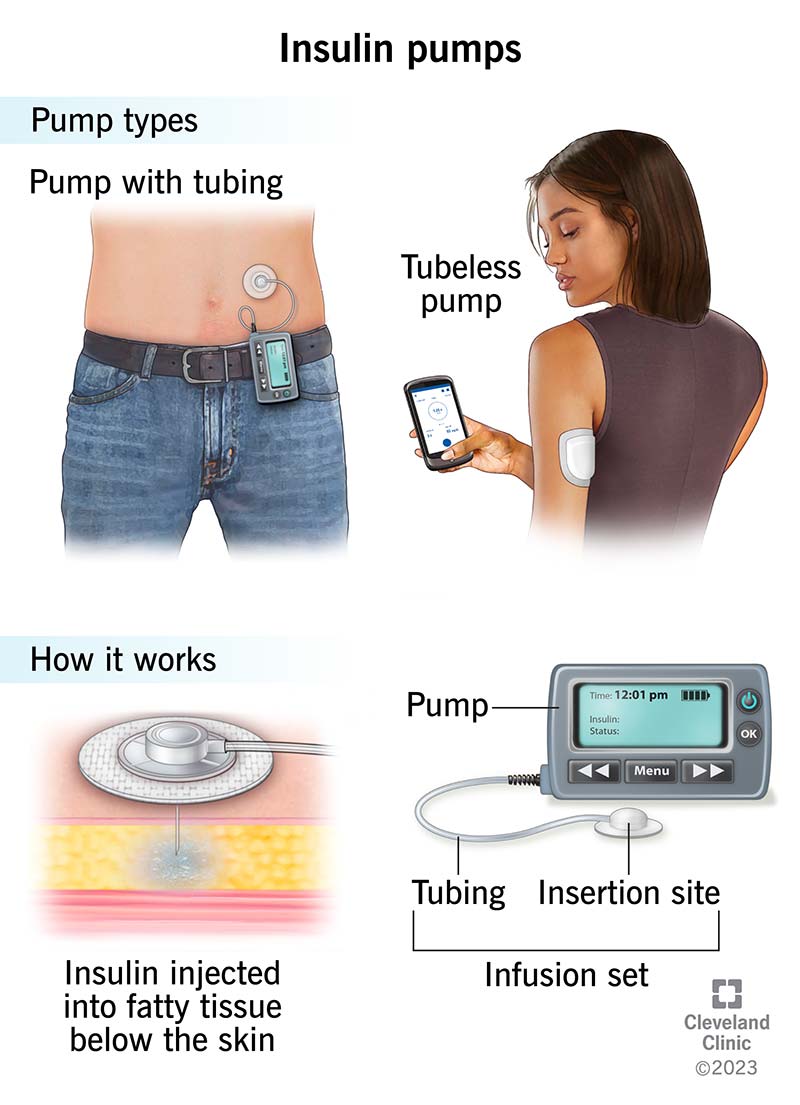
An insulin pump is a small medical device that delivers insulin continuously throughout the day, mimicking how a healthy pancreas works. Unlike traditional injections, insulin pumps provide both basal insulin (continuous) and bolus doses (mealtime insulin) automatically.
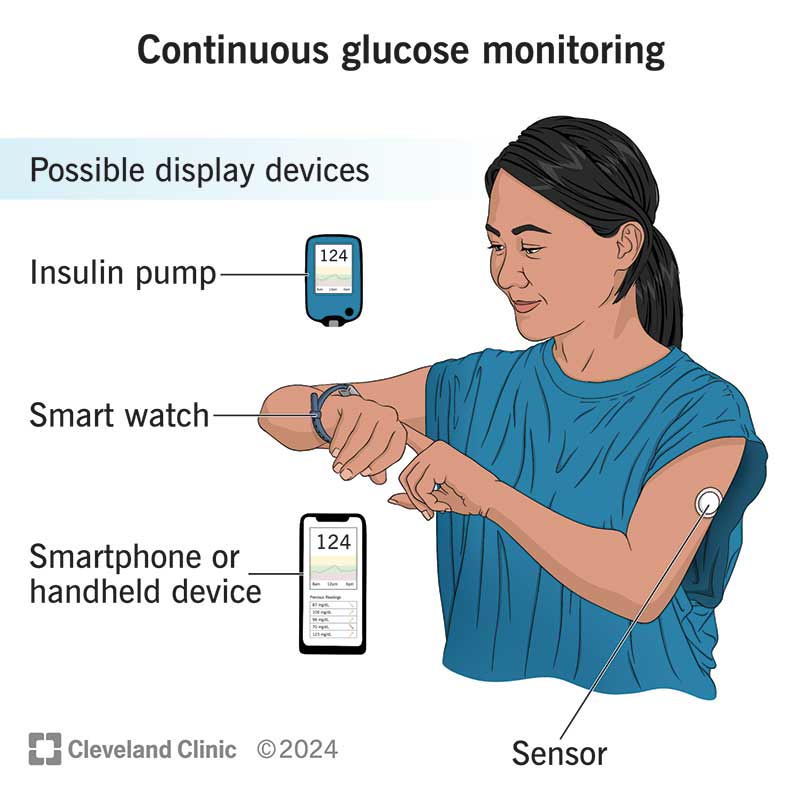
This technology is often combined with continuous glucose monitoring (CGM), creating a semi-automated or fully automated diabetes management system.
Insulin Pump Price in 2026 (Initial Cost)


4
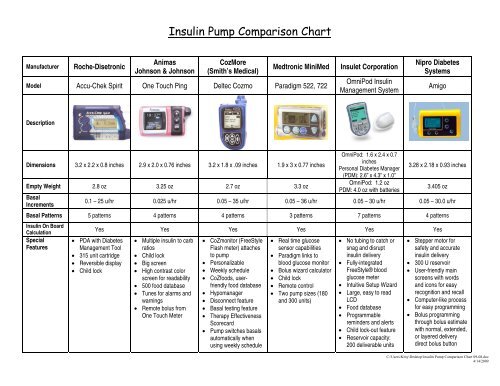
The initial cost of an insulin pump varies significantly depending on the brand, features, and country.
Average Price Range
- Basic insulin pump: $3,000 – $5,000
- Advanced smart pump system: $6,000 – $10,000
Popular Insulin Pump Prices
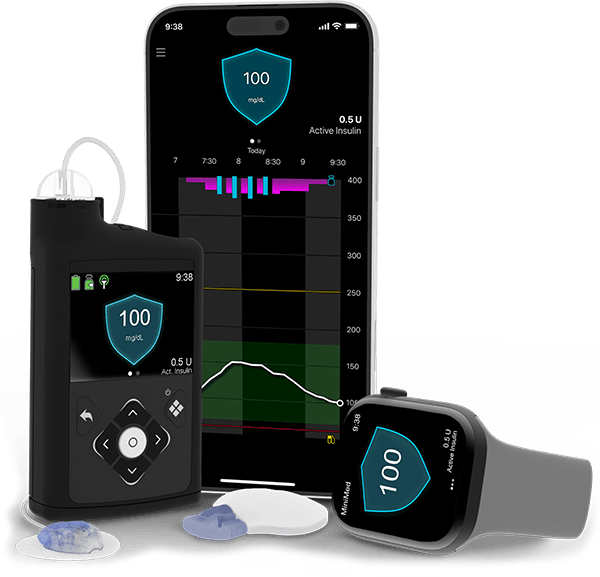
- Medtronic MiniMed 780G → ~$7,000 – $9,000
- Tandem t:slim X2 → ~$6,000 – $8,000
- Omnipod 5 → Lower upfront (~$0–$1,000), higher ongoing cost
These prices typically cover the device itself but do NOT include long-term supplies, which is where the real cost lies.
Monthly and Yearly Insulin Pump Costs (REAL COST)


4
This is where most competitor articles fail — they don’t explain the true ongoing cost.
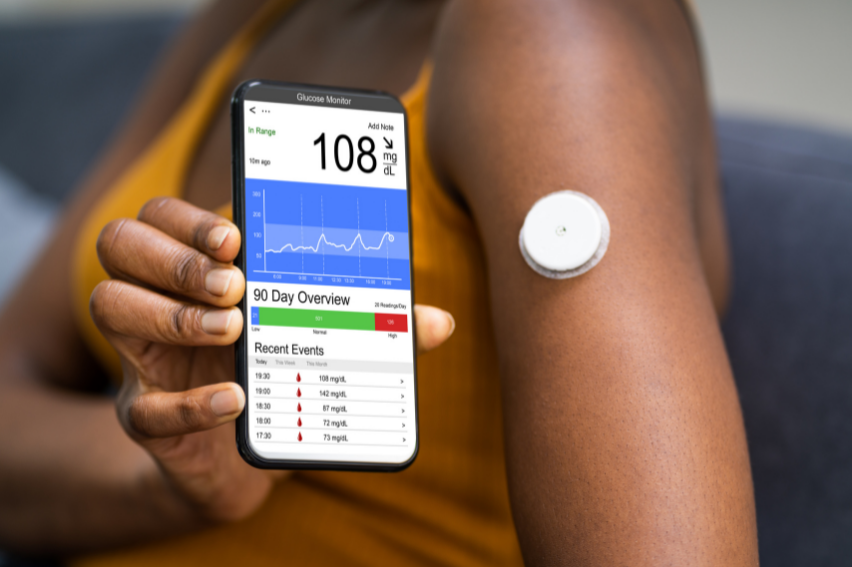
Monthly Costs
- Infusion sets: $50 – $150
- Insulin reservoirs: $30 – $100
- CGM sensors: $100 – $300
- Batteries / accessories: $20 – $50
👉 Total monthly cost: $200 – $600
Yearly Cost
👉 $2,500 – $7,000 per year
Over 5 years, the total cost can exceed:
👉 $15,000 – $35,000
Insulin Pump Price Without Insurance
One of the most important search intents behind “insulin pump price” is understanding costs without insurance.
Without insurance:
- Full device cost must be paid upfront
- Monthly supplies are fully out-of-pocket
- No subsidies or reimbursements
👉 Total first-year cost:
$5,000 – $12,000+
This is why many patients research financing options or alternative systems.
Insulin Pump Price in Nigeria (IMPORTANT SEO GAP)


4
This is a major gap most websites ignore — regional pricing.
In Nigeria and many African countries:
- Insulin pumps are not widely available locally
- Most devices are imported
- Prices are significantly higher due to logistics
Estimated Prices in Nigeria
- Insulin pump device: ₦5,000,000 – ₦12,000,000
- Monthly supplies: ₦200,000 – ₦500,000
Access is also limited, making availability a bigger challenge than cost itself.
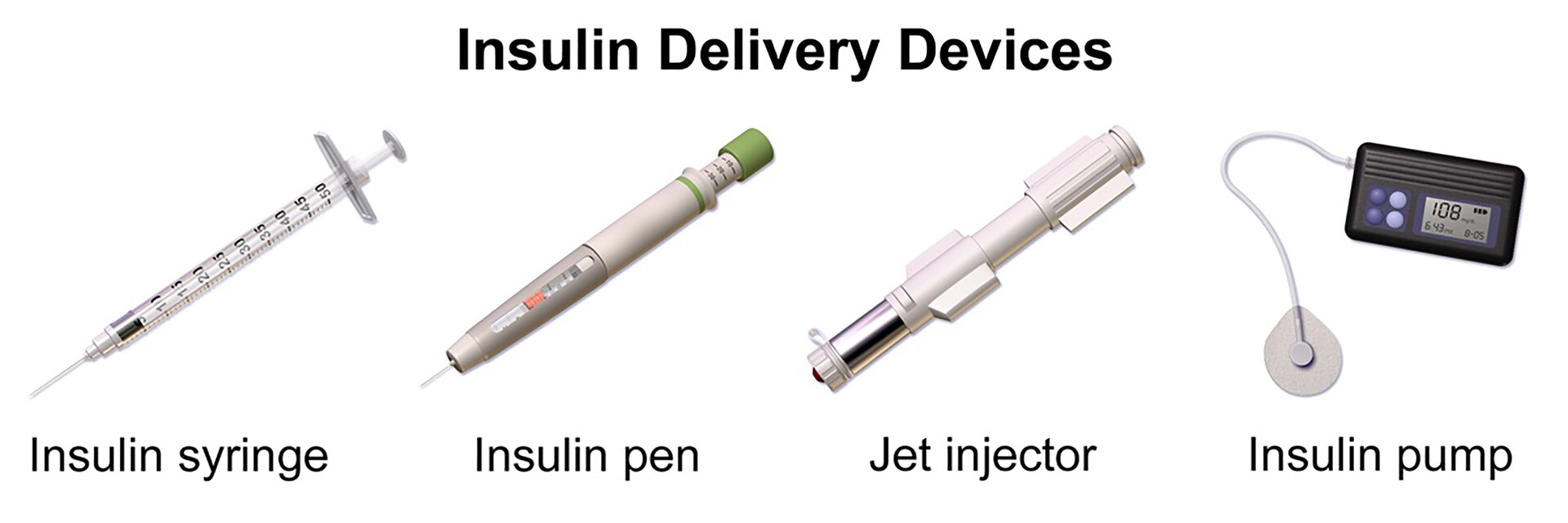
Insulin Pump vs Injections (Cost Comparison)
4
Another key gap competitors miss is long-term comparison.
Injection Cost
- Monthly: $50 – $150
- Yearly: $600 – $1,800
Pump Cost
- Monthly: $200 – $600
- Yearly: $2,500 – $7,000
Key Insight
While insulin pumps are more expensive, they provide:
- Better glucose control
- Reduced complications
- Improved quality of life
Hidden Costs of Insulin Pumps
Most people only consider the device price — but there are hidden costs:
- Replacement parts
- Software upgrades
- Doctor visits
- Training and setup
- CGM integration
These can add $500 – $2,000+ annually.
Benefits of Using an Insulin Pump
Despite the cost, insulin pumps offer major advantages:
- Continuous insulin delivery
- Better blood sugar control
- Reduced risk of complications
- Lifestyle flexibility
For many patients, these benefits outweigh the financial cost.
How to Choose the Best Insulin Pump
Key Factors to Consider
- Budget
- Availability in your country
- Insurance coverage
- CGM compatibility
- Ease of use
Best for Beginners
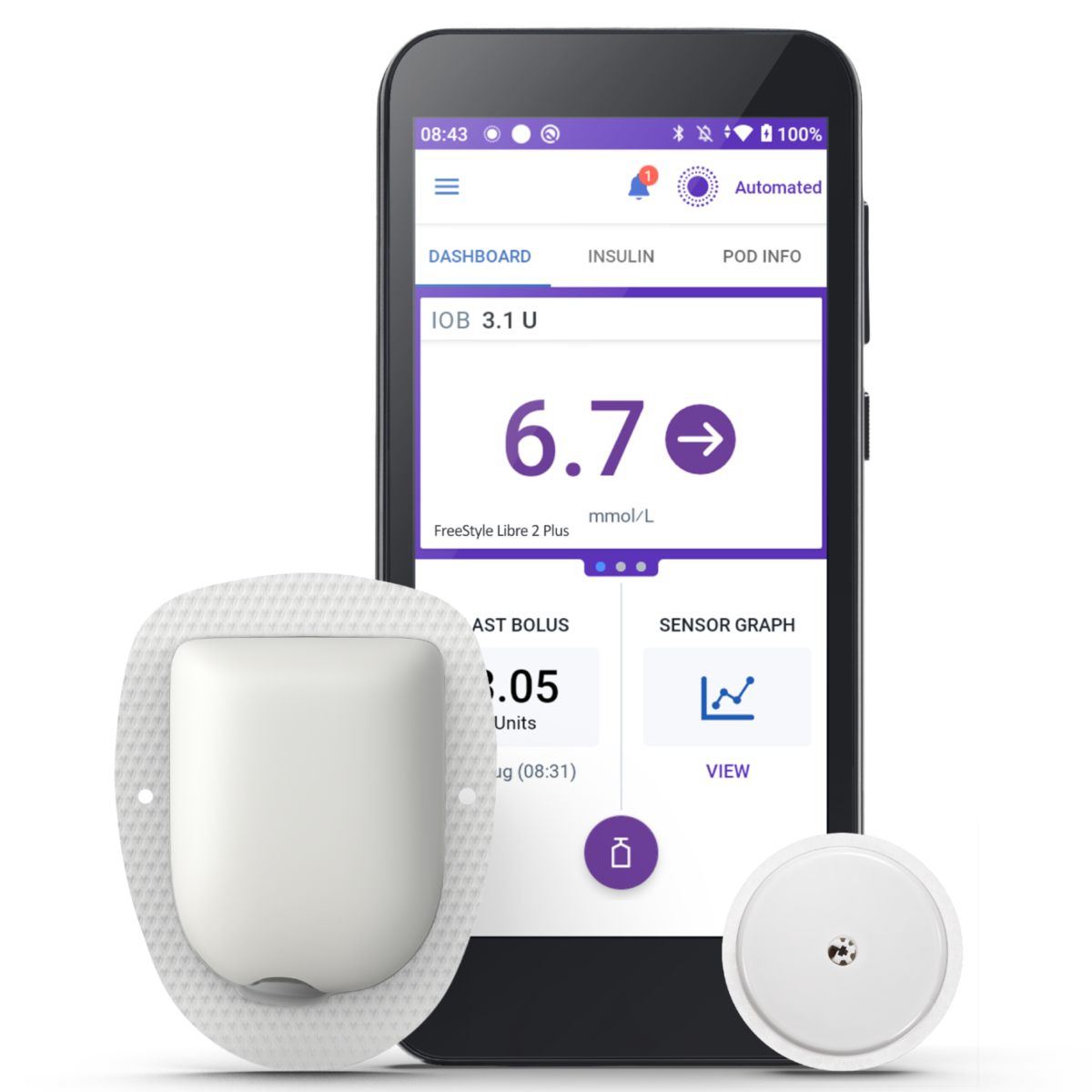
- Omnipod (simple, tubeless)
Best for Advanced Users
- Medtronic / Tandem systems
Final Verdict: Is an Insulin Pump Worth the Price?


4
The answer depends on your financial situation and health needs.
If you can afford it, an insulin pump can significantly improve diabetes management and long-term health outcomes.
However, the total cost — especially without insurance — is substantial, making it essential to evaluate all expenses before making a decision.
Conclusion
The insulin pump price in 2026 goes far beyond the initial device cost. When factoring in supplies, maintenance, and long-term use, it becomes a major financial commitment.
Unlike most online articles, this guide has shown you:
✔ Real total cost over time
✔ Regional pricing differences (including Nigeria)
✔ Hidden costs
✔ Comparison with injections
For anyone considering an insulin pump, understanding these factors is critical before making a decision.
People also Read:
Protein-Calorie Malnutrition: Complete Dietary Guide, WHO Interventions, and Global Solutions