


Stocks, Bonds, Commodities, Forex Outlook for Today (March 17, 2026)
Global Markets Snapshot
Stocks outlook today: Global financial markets on March 17, 2026, are navigating a highly sensitive environment shaped by geopolitical risks, central bank expectations, inflation concerns, and energy price volatility.
Today is one of the most important trading days of the week because it sits right at the intersection of major economic data releases and anticipation of central bank decisions, particularly from the U.S. Federal Reserve.
Investors across stocks, bonds, commodities, and forex markets are closely monitoring real-time developments from financial data platforms such as Forex Factory, CNBC, and Capital.com, which provide insights into economic indicators, market sentiment, and global financial flows.
Global financial markets on March 17, 2026, are navigating a highly sensitive and interconnected environment shaped by geopolitical risks, central bank expectations, inflation concerns, and persistent energy price volatility. Today stands out as one of the most critical trading sessions of the week because it sits at the intersection of major economic data releases and heightened anticipation surrounding monetary policy decisions, particularly from the U.S. Federal Reserve. Investors across equities, fixed income, commodities, and foreign exchange markets are closely monitoring real-time developments from platforms such as Forex Factory, CNBC, and Capital.com, all of which provide continuous updates on economic indicators, market sentiment, and global capital flows.
Oil Shock Fears Rock Global Markets as Trump-Iran Crisis Escalates — Stocks, Gold and Forex React


Global financial markets on March 17, 2026, are navigating a highly sensitive environment shaped by geopolitical risks, central bank expectations, inflation concerns, and energy price volatility.
Today is one of the most important trading days of the week because it sits right at the intersection of major economic data releases and anticipation of central bank decisions, particularly from the U.S. Federal Reserve.
Investors across stocks, bonds, commodities, and forex markets are closely monitoring real-time developments from financial data platforms such as Forex Factory, CNBC, and Capital.com, which provide insights into economic indicators, market sentiment, and global financial flows.
Macroeconomic Environment Driving Markets Today
1. Geopolitical Tensions and Energy Shock

4
The dominant macro theme today is ongoing geopolitical tension in the Middle East, which continues to disrupt global energy supply chains.
Crude oil prices remain elevated due to concerns about:
- Shipping disruptions
- Supply shortages
- Potential escalation of conflict
Higher oil prices are influencing inflation expectations, corporate costs, and global growth outlook. Markets are extremely sensitive to any new developments today, meaning headlines can trigger immediate volatility.
2. Central Bank Expectations
Markets today are largely in a “wait-and-see” mode ahead of key central bank decisions.
The U.S. Federal Reserve is expected to hold rates steady, but traders are focused on:
- Future rate guidance
- Inflation outlook
- Economic projections
Any shift in tone (hawkish or dovish) could immediately impact:
- Stock markets
- Bond yields
- Currency strength
Other central banks influencing today’s market sentiment include:
- Reserve Bank of Australia
- Bank of Japan
- European Central Bank
3. Economic Data Releases Today


According to Forex Factory, key economic events for today include:
- U.S. Retail Sales
- Australian Interest Rate Decision
- Business sentiment indicators
These data points are critical because they provide insight into:
- Consumer spending strength
- Inflation pressure
- Economic momentum
Stronger-than-expected data could support stocks but may also reinforce expectations for higher interest rates.
Stock Market Outlook (March 17, 2026)
Market Sentiment


4
Global equities are trading cautiously today, with investors balancing risk and opportunity.
Key drivers include:
- Rising oil prices
- Interest rate expectations
- Economic data releases
Key Stock Market Themes Today
1. Energy vs Technology Rotation
- Energy stocks are benefiting from rising oil prices
- Technology stocks remain sensitive to interest rates
2. Volatility Remains Elevated
Market volatility is still high due to uncertainty surrounding:
- Inflation
- Geopolitics
- Central bank policy
3. Investor Positioning
Institutional investors are:
- Reducing risk exposure
- Increasing cash positions
- Rotating into defensive sectors
Stock Market Scenarios Today
Bullish Case
- Oil stabilizes
- Retail sales show strong consumer demand
- Fed expectations remain neutral
Bearish Case
- Oil spikes further
- Inflation fears increase
- Geopolitical risks escalate
Bond Market Outlook
Current Bond Market Conditions


Bond markets today are reacting to inflation concerns and monetary policy expectations.
Yields remain elevated due to:
- Rising energy prices
- Persistent inflation risk
- Uncertainty around rate cuts
Key Drivers for Bonds Today
1. Inflation Expectations
Higher oil prices are pushing inflation expectations higher, which leads to:
- Rising yields
- Falling bond prices
2. Federal Reserve Outlook
Bond markets are highly sensitive to interest rate guidance.
If the Fed signals:
- Higher rates for longer → yields rise
- Potential cuts → yields fall
3. Safe-Haven Demand
In times of uncertainty, investors often move into bonds.
However, today’s environment is complex because:
- Inflation reduces bond attractiveness
- Geopolitical risk increases demand
Commodities Market Outlook
Oil Market (Key Driver Today)


Oil remains the most influential commodity today.
Key drivers include:
- Middle East tensions
- Supply disruptions
- OPEC expectations
If oil continues rising, it could:
- Increase inflation
- Pressure stocks
- Strengthen commodity currencies
Gold Market


Gold is benefiting from:
- Market uncertainty
- Inflation concerns
- Risk-off sentiment
Today, gold is acting as a safe haven, attracting investors seeking protection from volatility.
Industrial Commodities
Industrial metals like copper are influenced by:
- Global economic growth
- Chinese demand
- Manufacturing activity
Strong economic data could boost these commodities today.
Forex Market Outlook
Currency Market Dynamics


4
The forex market today is driven by:
- Interest rate expectations
- Economic data releases
- Risk sentiment
U.S. Dollar Outlook
The U.S. dollar is strengthening due to:
- Safe-haven demand
- Higher bond yields
- Strong economic positioning
Euro Outlook
The euro remains sensitive to:
- Energy prices
- ECB policy expectations
Japanese Yen Outlook
The yen is gaining support from:
- Risk-off sentiment
- Safe-haven flows
Commodity Currencies
Currencies like:
- Canadian dollar (oil-driven)
- Australian dollar (commodity-driven)
are reacting strongly to commodity price movements.
Key Events Timeline for Today
March 17, 2026 Economic Schedule


4
Morning Session
- Asian market reaction to RBA decision
- Chinese economic sentiment
European Session
- Eurozone data releases
- UK economic indicators
U.S. Session
- Retail sales data
- Market reaction to macro indicators
Cross-Market Relationships Today
Markets today are highly interconnected.
Key Relationships:
- Rising oil → higher inflation → pressure on stocks
- Rising yields → stronger dollar → weaker equities
- Risk-off sentiment → gold and yen rise
Understanding these relationships is critical for traders.
Trading Strategy Insights for Today
Short-Term Traders
Focus on:
- News events
- Volatility spikes
- Economic data releases
Long-Term Investors
Focus on:
- Macro trends
- Central bank direction
- Sector rotation
Final Outlook for March 17, 2026
Today’s market environment is defined by:
- High volatility
- Strong macro influence
- Event-driven price action
Key themes to watch:
- Oil price movement
- Federal Reserve expectations
- Economic data surprises
Macroeconomic Environment Driving Markets Today


4
The dominant macroeconomic theme today is the continuation of geopolitical tensions in the Middle East, which are actively disrupting global energy supply chains and contributing to elevated crude oil prices. Concerns surrounding shipping disruptions, supply shortages, and the possibility of further escalation have kept oil markets volatile, as highlighted in coverage from CNBC and commodity insights from Capital.com. As a result, higher oil prices are feeding directly into inflation expectations, increasing corporate operating costs, and weighing on the global growth outlook. Financial markets today are extremely headline-sensitive, meaning even minor geopolitical developments can trigger immediate and significant price movements across multiple asset classes.
At the same time, markets remain in a cautious “wait-and-see” mode ahead of key central bank decisions. The U.S. Federal Reserve is widely expected to maintain current interest rate levels, but traders are focusing intensely on forward guidance, inflation projections, and broader economic forecasts. Any shift in tone—whether hawkish or dovish—has the potential to move stock markets, bond yields, and currency valuations almost instantly. Alongside the Federal Reserve, other major institutions such as the Reserve Bank of Australia, the Bank of Japan, and the European Central Bank are also influencing global sentiment, reinforcing the importance of synchronized monetary policy signals.
Economic data releases today further add to market sensitivity. According to the Forex Factory calendar, key indicators include U.S. retail sales, the Australian interest rate decision, and various business sentiment metrics. These data points are crucial because they provide insight into consumer spending strength, inflationary pressures, and overall economic momentum. Stronger-than-expected figures could support equity markets but may simultaneously reinforce expectations of prolonged higher interest rates, creating a complex reaction across financial assets.
Stock Market Outlook (March 17, 2026)


4
Global equity markets are trading cautiously today as investors attempt to balance risk and opportunity in an uncertain macroeconomic environment. Rising oil prices, shifting interest rate expectations, and the release of key economic data are acting as the primary drivers of market direction. One of the most notable themes is the rotation between sectors, where energy stocks are benefiting from higher oil prices while technology stocks remain under pressure due to their sensitivity to interest rate changes.
Volatility remains elevated as uncertainty persists around inflation trends, geopolitical developments, and central bank policy decisions. Institutional investors are responding by reducing overall risk exposure, increasing cash holdings, and rotating capital into more defensive sectors such as utilities and consumer staples. These positioning shifts reflect a broader cautious stance across global markets.
In terms of possible scenarios, a bullish outcome today would likely require stabilization in oil prices, stronger-than-expected retail sales data, and neutral or supportive signals from central banks. Conversely, a bearish scenario could unfold if oil prices continue to surge, inflation fears intensify, or geopolitical tensions escalate further, potentially leading to broader equity market declines.
Bond Market Outlook

4
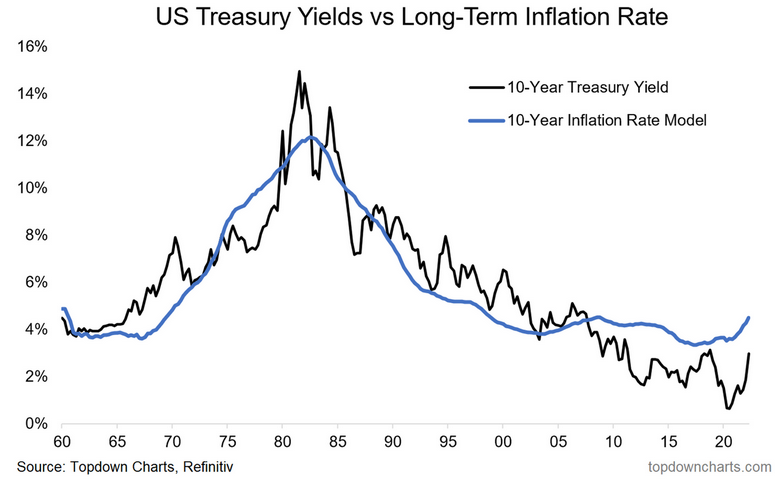
Bond markets today are reacting primarily to inflation concerns and evolving monetary policy expectations. Yields remain elevated due to rising energy prices, persistent inflation risks, and uncertainty regarding the timing of future interest rate cuts. As reported in bond market updates on CNBC bonds section, investors are reassessing fixed-income valuations in light of these macroeconomic pressures.
Higher oil prices are pushing inflation expectations upward, which in turn leads to rising bond yields and falling bond prices. The Federal Reserve’s outlook remains a critical factor, as any indication of “higher rates for longer” would likely push yields even higher, while hints of potential easing could provide relief to bond markets. At the same time, safe-haven demand continues to play a role, as geopolitical uncertainty drives investors toward government securities. However, this demand is partially offset by inflation concerns, which reduce the attractiveness of fixed-income investments.
Commodities Market Outlook


4
The commodities market is being led by oil, which remains the most influential asset today. Ongoing Middle East tensions, supply disruptions, and expectations around OPEC production decisions are driving crude prices higher, as analyzed on Capital.com. If oil continues its upward trajectory, it could intensify inflation pressures, weigh on equity markets, and strengthen commodity-linked currencies.
Gold is also gaining attention as a safe-haven asset, supported by market uncertainty, inflation fears, and a broader risk-off sentiment. Investors are increasingly turning to gold as a store of value during periods of financial instability, reinforcing its role as a defensive asset in today’s environment.
Meanwhile, industrial commodities such as copper are being influenced by global economic growth expectations, particularly demand from China and overall manufacturing activity. Positive economic data could support these metals, while weaker data may signal slowing industrial demand.
Forex Market Outlook


4
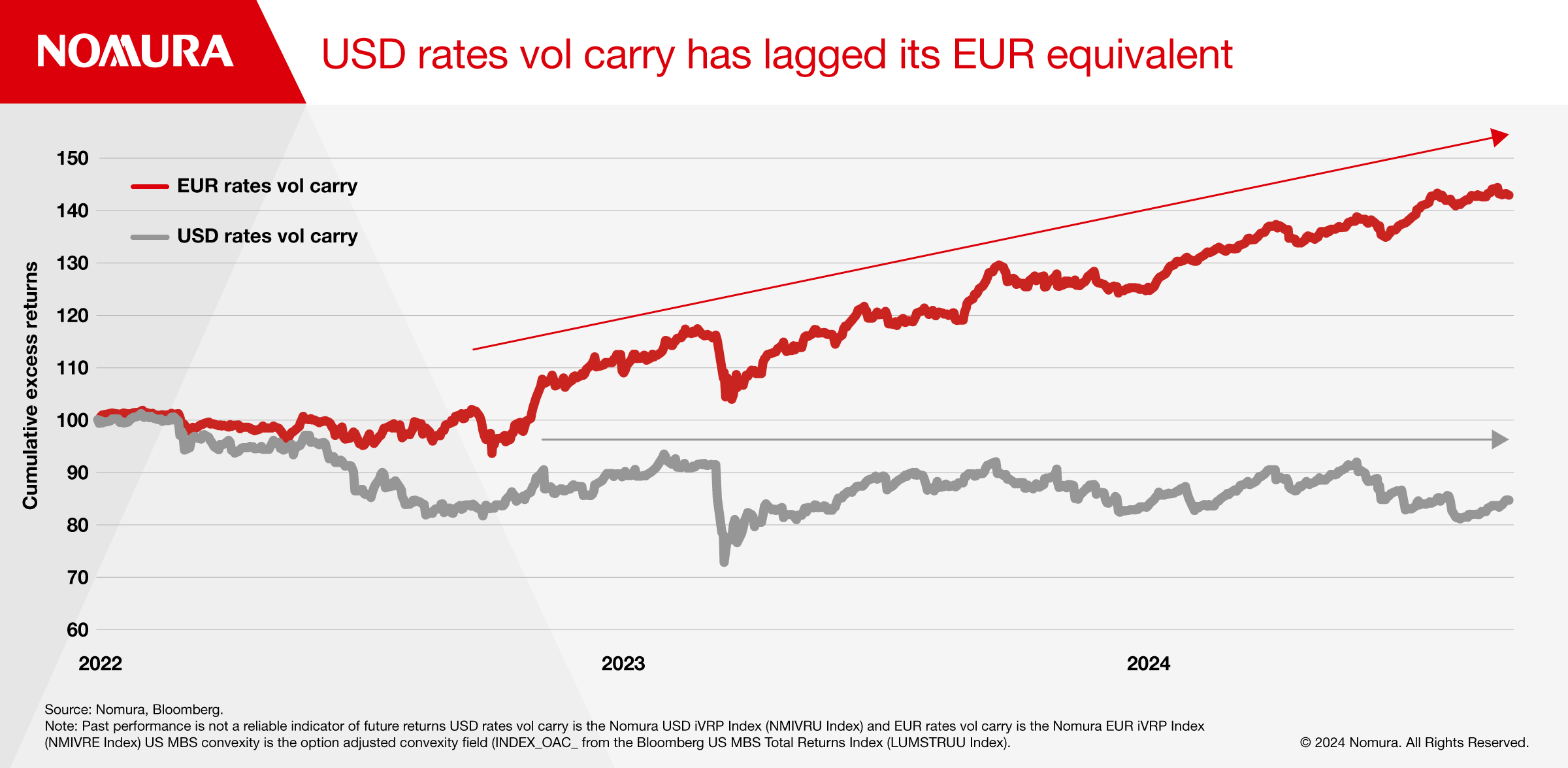
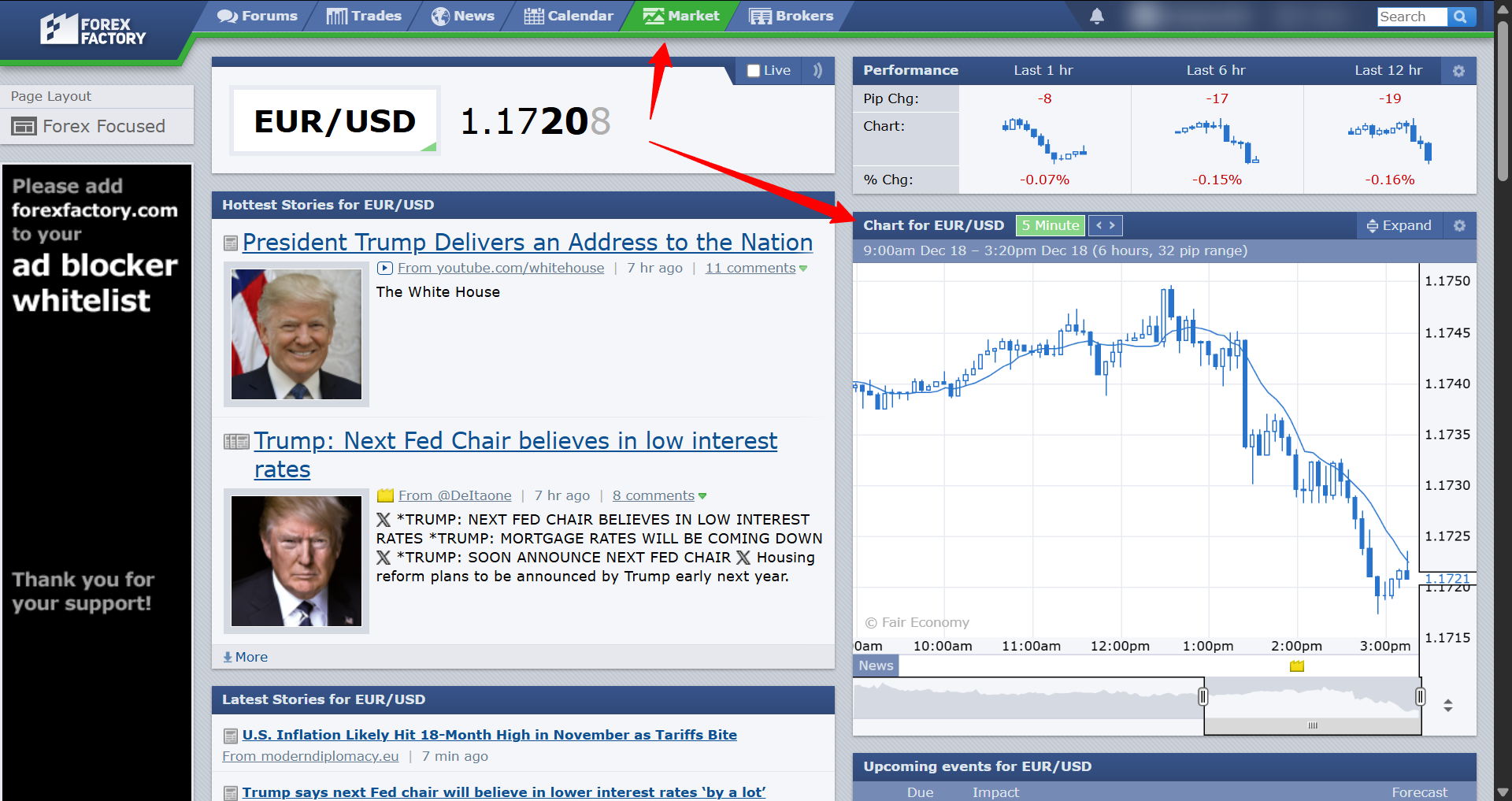
The foreign exchange market today is being driven by interest rate expectations, economic data releases, and shifts in global risk sentiment. The U.S. dollar is strengthening due to safe-haven demand, rising bond yields, and relatively strong economic positioning. Currency movements are being closely tracked using tools and insights from Forex Factory and market analysis from CNBC.
The euro remains sensitive to fluctuations in energy prices and policy expectations from the European Central Bank, while the Japanese yen is benefiting from increased demand as a safe-haven currency during periods of uncertainty. Commodity-linked currencies such as the Canadian dollar and Australian dollar are reacting strongly to movements in oil and raw material prices, reflecting their dependence on global commodity markets.
Key Events Timeline for Today (March 17, 2026)
4
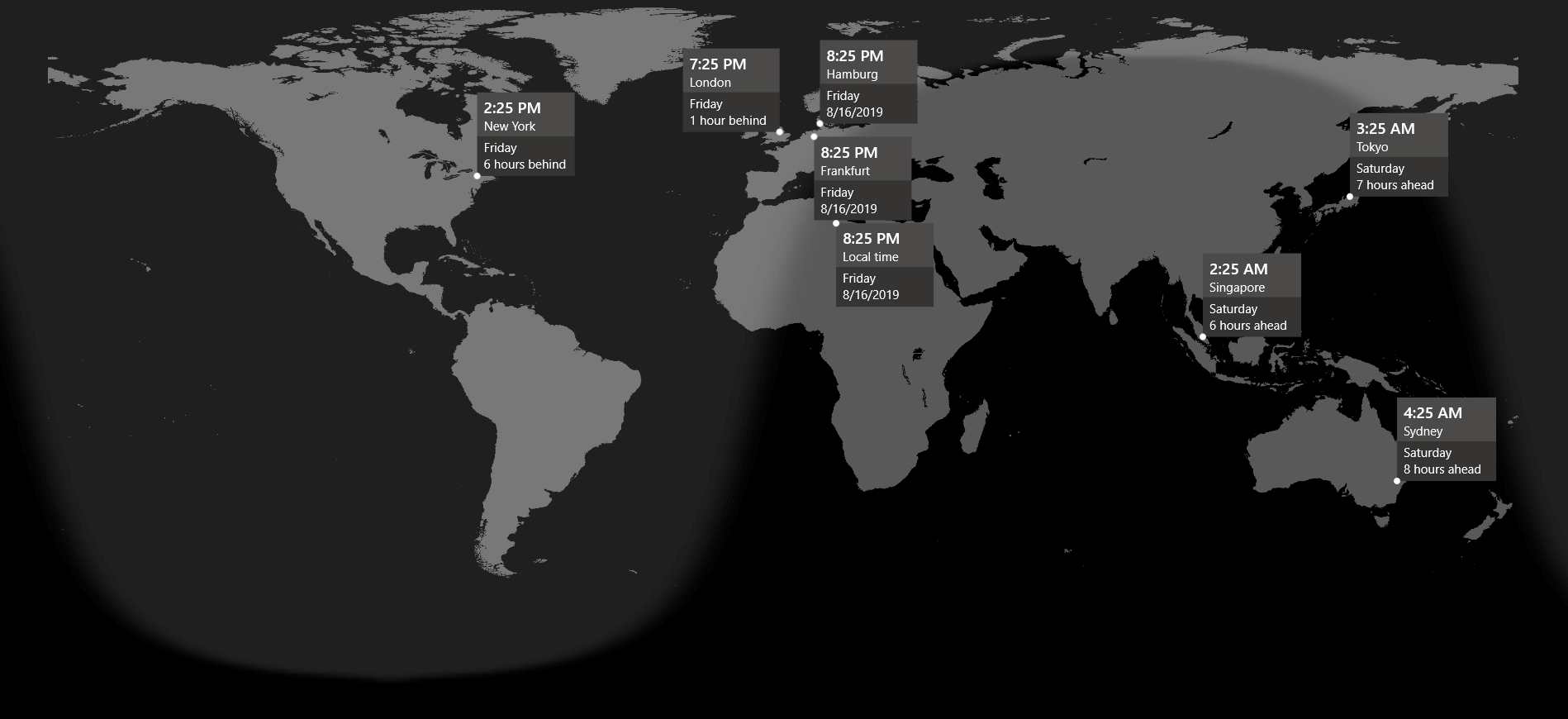
The trading day is structured around key regional sessions, each bringing its own set of market-moving events. During the Asian session, markets react to the Reserve Bank of Australia’s decision and Chinese economic sentiment data. The European session introduces eurozone data releases and UK economic indicators, while the U.S. session focuses on retail sales data and broader macroeconomic reactions.
Cross-Market Relationships
Financial markets today are deeply interconnected, with movements in one asset class often influencing others. Rising oil prices tend to increase inflation, which can pressure stock markets, while rising bond yields strengthen the U.S. dollar and weigh on equities. At the same time, risk-off sentiment typically drives demand for gold and the Japanese yen. Understanding these relationships is essential for traders navigating today’s volatile environment.
Trading Strategy Insights
Short-term traders are focusing on news-driven volatility, economic data releases, and rapid price movements, while long-term investors are paying closer attention to macroeconomic trends, central bank direction, and sector rotation strategies. The ability to adapt to changing conditions is crucial in today’s market landscape.
Final Outlook for March 17, 2026
Today’s market environment is defined by high volatility, strong macroeconomic influence, and event-driven price action. Key themes to watch include oil price movements, Federal Reserve expectations, and surprises in economic data. These factors will likely determine the direction of stocks, bonds, commodities, and forex markets throughout the day.
Conclusion
March 17, 2026, represents a high-impact trading day across global financial markets, with price action being shaped by geopolitical risks, inflation concerns, and central bank expectations. Investors are advised to stay updated through reliable platforms such as Forex Factory, CNBC, and Capital.com, as real-time information will play a critical role in navigating today’s fast-moving market conditions.