
Introduction: The Evolution of Search Engines
Search engines have undergone a profound transformation over the past two decades. What began as simple systems that matched keywords to web pages has evolved into sophisticated, AI-driven platforms capable of understanding human language, intent, and context. In the early days, ranking depended heavily on keyword density, backlinks, and basic page authority. However, as user behavior became more complex, search engines were forced to adapt.
By 2025, AI-powered search has fundamentally redefined how users discover information online. Modern search engines no longer focus solely on what users type, but rather why they are searching and what outcome they expect. Through advancements in machine learning, natural language processing (NLP), and generative AI, search engines now deliver results that are conversational, personalized, and predictive.
For bloggers, content creators, and businesses, this evolution signals a critical shift. Traditional SEO tactics alone are no longer sufficient. Success now depends on intent-driven content, semantic understanding, and the ability to align with AI systems that curate, summarize, and sometimes even generate answers directly within search results.
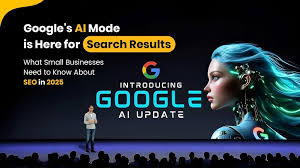
What Is AI-Powered Search?
AI-powered search refers to search engines that use artificial intelligence technologies—such as machine learning models, NLP, and generative AI—to interpret queries and deliver results that go beyond static blue links.
Instead of simply retrieving indexed pages, AI-powered search engines analyze meaning, understand context, and adapt results dynamically based on user behavior, preferences, and historical data.
In 2025, AI search is not just about finding information—it is about solving problems, answering questions, and guiding decisions.
How AI-Powered Search Works
AI-powered search engines rely on multiple advanced technologies working together:
1. Natural Language Processing (NLP)
NLP allows search engines to understand conversational and complex queries, including:
- Full questions
- Voice searches
- Ambiguous or multi-intent queries
For example, a query like “best SEO strategy for a new blog in 2025” is interpreted holistically, not as isolated keywords.
2. Machine Learning & Behavioral Analysis
Search engines analyze user behavior such as:
- Click patterns
- Dwell time
- Scroll depth
- Previous searches
This data helps AI predict what content is most valuable to a specific user at a specific moment.
3. Generative AI & Search Experience
Generative AI enables search engines to:
- Generate summaries directly on the SERP
- Combine insights from multiple sources
- Provide follow-up questions (e.g., People Also Ask)
- Offer conversational responses
This approach—often called generative search—dominates AI-powered search in 2025.
Differences Between Traditional Search and AI-Powered Search
| Feature | Traditional Search | AI-Powered Search |
|---|---|---|
| Query Interpretation | Keyword-focused | Intent & context-focused |
| Results Display | Static blue links | Dynamic, AI-generated summaries |
| Ranking Signals | PageRank & backlinks | Relevance, intent match, engagement |
| User Interaction | Click-based | Conversational & interactive |
| Personalization | Limited | Highly personalized |
| Content Evaluation | Page-level | Topic-level & semantic understanding |
These differences explain why AI content optimization has become a core requirement for modern SEO.
Implications for Bloggers and Businesses
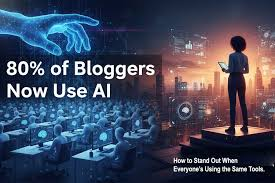
The rise of AI-powered search presents both opportunities and challenges.
Key Challenges
- Reduced organic clicks due to AI-generated answers
- Higher competition for visibility within summaries and snippets
- Need for deeper topical authority rather than surface-level content
Key Opportunities
- Increased visibility through AI summaries and PAA boxes
- Higher engagement from intent-matched content
- Greater authority for brands that provide comprehensive answers
Those who adapt early gain a significant competitive advantage.
SEO Best Practices for AI-Powered Search

1. Focus on Intent Over Keywords
AI search prioritizes why users search, not just what they type. Content should:
- Answer real questions
- Solve specific problems
- Address multiple related intents within a topic
2. Optimize for Semantic SEO
Use related concepts, entities, and synonyms rather than repeating exact keywords. This helps AI understand topical relevance.
3. Leverage Structured Data
Schema markup provides context to AI systems, helping them interpret:
- FAQs
- How-to steps
- Reviews
- Articles
This improves eligibility for rich results and AI-generated snippets.
4. Create Conversational Content
AI thrives on natural language. Write content that mirrors how people speak and ask questions—especially for voice and mobile search.
5. Maintain Content Freshness
AI-powered search engines favor up-to-date, accurate information. Regular updates signal relevance and trustworthiness.
Content Strategy Adjustments for AI Search
Long-Form, Comprehensive Content
AI favors in-depth content that fully addresses a topic rather than fragmented posts. Comprehensive articles help establish topical authority.
Use of Multimedia
Images, infographics, charts, and videos:
- Improve engagement
- Provide contextual signals to AI
- Enhance user experience
Topic Clusters & Internal Linking
Organizing content into topic clusters helps AI understand content relationships and authority. A strong internal linking structure improves crawlability and semantic relevance.
(Internal Link Placeholder)
Tools to Optimize for AI-Powered Search
To compete effectively, bloggers and businesses must adopt AI-driven SEO tools:
- SurferSEO – AI-powered on-page optimization and content audits
- Frase.io – AI-generated content briefs and intent mapping
- ChatGPT & Jasper – AI-assisted content creation aligned with search intent
- Schema.org & RankMath – Structured data implementation for better AI understanding
These tools help bridge the gap between human creativity and AI-driven search requirements.
Conclusion: Key Takeaways
AI-powered search is no longer a future concept—it is the present reality of SEO in 2025. Search engines now prioritize intent, personalization, and generative experiences over traditional keyword matching.
To stay competitive, bloggers and businesses must:
- Shift from keyword-focused SEO to intent-driven strategies
- Create comprehensive, conversational, and authoritative content
- Use structured data and AI tools to enhance visibility
- Embrace topic clusters and semantic SEO
The future of SEO belongs to those who understand AI search behavior and adapt proactively. Optimizing for AI-powered search is no longer optional—it is essential for long-term visibility and growth.
FAQ (Schema Markup Ready)
Q1: How does AI-powered search differ from traditional search engines?
A: AI-powered search uses machine learning and NLP to understand intent, context, and conversational queries, delivering personalized and dynamic results rather than static keyword-based listings.
Q2: Can bloggers benefit from AI search optimization?
A: Yes. Bloggers who optimize for AI search can gain higher visibility, increased engagement, and better chances of appearing in AI-generated summaries and People Also Ask results.
Q3: What tools can help optimize content for AI-powered search engines?
A: Tools such as SurferSEO, Frase.io, ChatGPT, Jasper, and structured data plugins like RankMath help align content with AI-driven search requirements.
Image & Infographic Suggestions
Infographic: Traditional search vs AI-powered search comparison
Alt text: traditional search vs AI-powered search comparison
Diagram: Evolution of search engines (keyword-based → semantic → AI-powered)
Alt text: evolution of search engines from keywords to AI-powered search
New AI Tools Everyone Is Using Right Now — And Why They will be Everywhere in 2026