
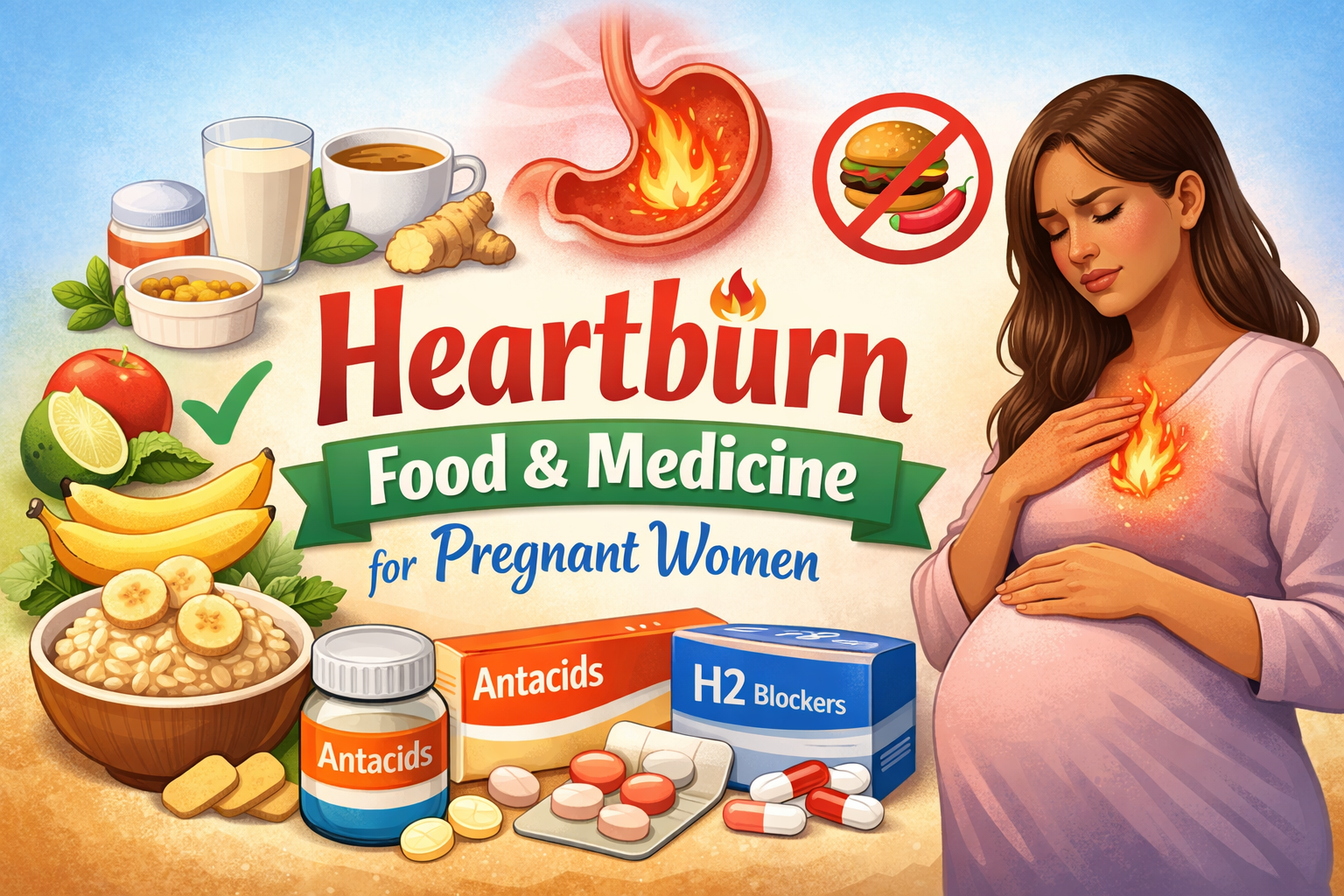
Heartburn Food and Heartburn medicine for Pregnant women
Heartburn is very common during pregnancy, especially in the 2nd and 3rd trimesters. It happens because pregnancy hormones relax the valve between the stomach and esophagus, allowing stomach acid to move upward. The growing baby also puts pressure on the stomach. The good news is that diet changes and some safe medications can help.
🍽️ Foods That Help Reduce Heartburn During Pregnancy
1. Oatmeal


4
- Gentle on the stomach
- Helps absorb excess stomach acid
- Good breakfast option for pregnant women
2. Bananas


4
- Naturally low in acid
- Can help coat the stomach lining
- Easy to digest
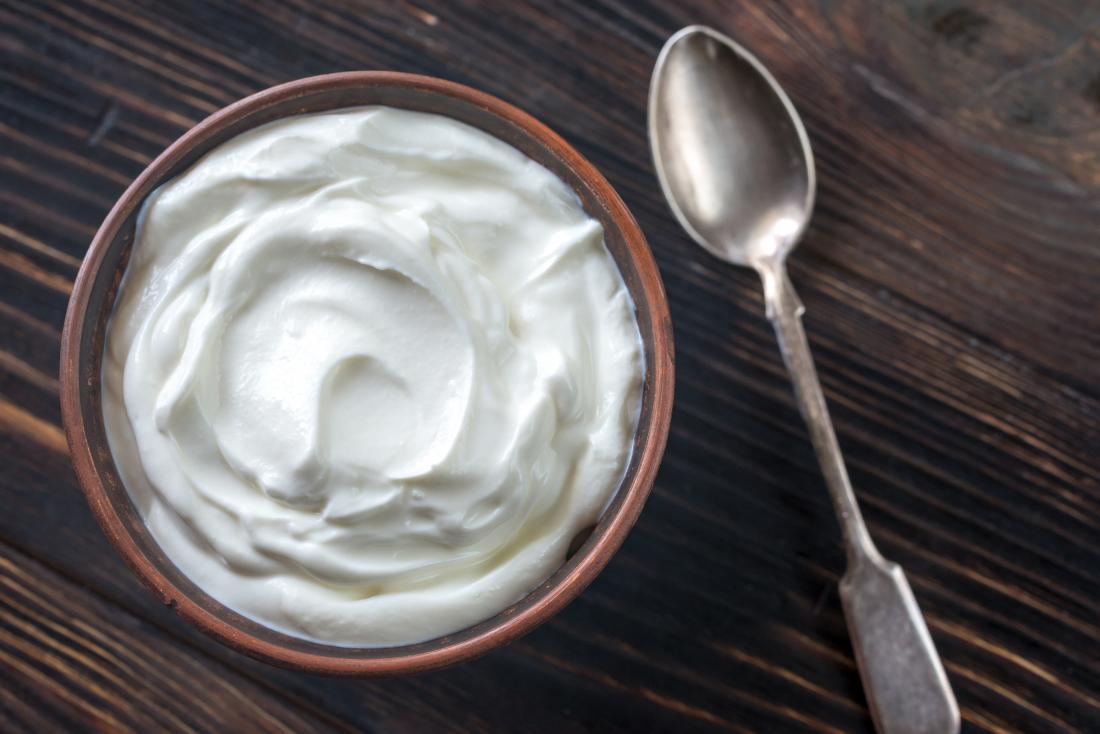
3. Yogurt


4
- Contains probiotics that support digestion
- Cooling effect that can soothe heartburn
4. Ginger


4
- Helps digestion and reduces acid reflux
- Can be taken as ginger tea or added to food
❌ Foods That May Worsen Heartburn
Your wife should try to limit or avoid:
- Spicy foods 🌶️
- Fried foods 🍟
- Fatty foods
- Chocolate
- Coffee / caffeine
- Citrus fruits (orange, lemon)
- Carbonated drinks
💊 Safe Medications for Pregnancy Heartburn
Some medications are generally considered safe during pregnancy, but it is always best to confirm with a doctor.
Common options include:
- Calcium carbonate (e.g., Tums)
- Magnesium hydroxide
- Famotidine (if symptoms persist)
Doctors sometimes prescribe:
- Omeprazole for severe cases.
⚠️ Avoid taking medicines like sodium bicarbonate or high-dose aspirin-based antacids during pregnancy unless a doctor approves.
🛌 Lifestyle Tips That Help
These simple habits can make a big difference:
- Eat small meals frequently instead of large meals
- Avoid lying down for 2–3 hours after eating
- Sleep with the head slightly elevated
- Wear loose clothing around the stomach
- Drink fluids between meals, not during large meals
✅ Simple Home Remedy:
A glass of warm milk or yogurt before bed often helps reduce nighttime heartburn.
💡 Important:
If the heartburn is severe, persistent, or causes vomiting or chest pain, she should see a doctor or antenatal clinic.
Heartburn during pregnancy is very common, especially in the second and third trimesters. Hormonal changes and pressure from the growing baby can push stomach acid upward, causing a burning sensation in the chest or throat. Fortunately, there are simple home remedies, dietary precautions, and meal plans that can help reduce or prevent it.
1. ⚡ 7 Fastest Home Remedies for Pregnancy Heartburn
1. Drink Warm Milk


4
Warm milk helps neutralize stomach acid quickly and provides calcium needed during pregnancy.
How to use
- Drink 1 small glass of warm milk
- Best taken before bedtime or when symptoms begin
2. Eat a Banana


4
Bananas are naturally low-acid fruits and help coat the stomach lining.
Benefit
- Reduces irritation in the esophagus
- Easy to digest
3. Ginger Tea


4
Ginger improves digestion and reduces stomach irritation.
How to prepare
- Slice fresh ginger
- Boil in water for 5–10 minutes
- Drink warm
4. Eat Yogurt


4
Yogurt contains probiotics that improve digestion and reduce acid reflux.
Tip:
Choose plain yogurt, not flavored ones with high sugar.
5. Sleep with Your Head Elevated
Using an extra pillow helps prevent stomach acid from flowing upward during sleep.
Helpful habit
- Raise the head of the bed or pillow by about 15–20 cm
6. Eat Small Frequent Meals
Large meals increase stomach pressure and worsen heartburn.
Better approach:
- Eat 5–6 small meals daily
- Avoid overeating
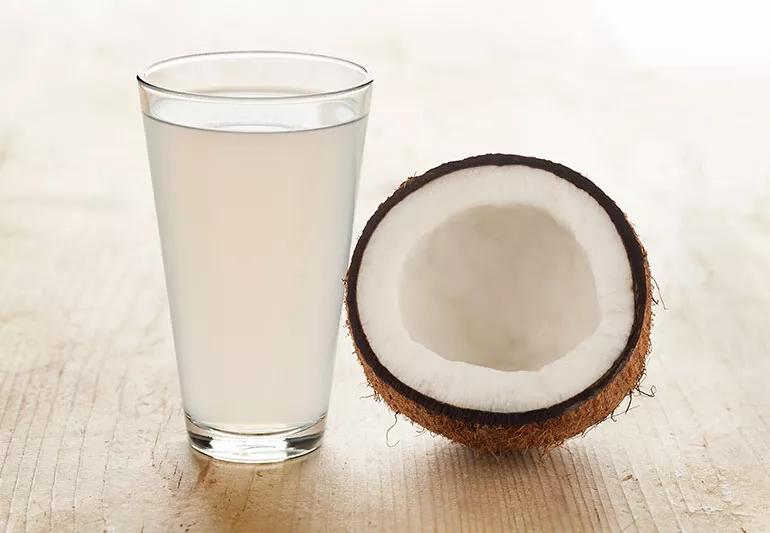
7. Drink Coconut Water


4
Coconut water helps balance stomach acidity and keeps the body hydrated.
2. ❌ Foods Pregnant Women Should Completely Avoid for Acid Reflux
Certain foods trigger stomach acid production and worsen heartburn.
Spicy Foods
Examples:
- Pepper soup
- Chili peppers
- Hot sauces
Fried and Fatty Foods
Examples:
- Fried chicken
- French fries
- Deep-fried snacks
These foods slow digestion and increase reflux.
Citrus Fruits
Examples:
- Oranges
- Lemon
- Pineapple
These fruits are highly acidic.
Chocolate
Chocolate relaxes the lower esophageal sphincter, allowing acid to move upward.
Caffeinated Drinks
Avoid or limit:
- Coffee
- Energy drinks
- Strong tea
Caffeine increases stomach acid.
Carbonated Drinks
Examples:
- Soda
- Soft drinks
- Sparkling beverages
They cause stomach bloating and reflux.
3. 🥗 Simple Daily Meal Plan to Prevent Pregnancy Heartburn
A balanced diet with low-acid and easily digestible foods can reduce symptoms.
🌅 Breakfast


4
Options:
- Oatmeal with banana
- Whole-grain bread with avocado
- Yogurt with oats
Drink:
- Warm milk or herbal tea
🍎 Mid-Morning Snack
- Banana
- Apple slices
- Yogurt
🍛 Lunch


4
Options:
- Brown rice with vegetables and grilled chicken
- Boiled yam with vegetable sauce
- Beans with plantain
Avoid oily sauces.
🍌 Afternoon Snack
- Coconut water
- Whole-grain crackers
- Banana or yogurt
🍲 Dinner


4
Options:
- Grilled fish with vegetables
- Boiled potatoes with steamed vegetables
- Vegetable soup with small portion of rice
Eat at least 3 hours before bedtime.
🌙 Before Bed
- Warm milk
or - Plain yogurt
This can help prevent nighttime heartburn.
✅ Important Advice
Heartburn during pregnancy is usually harmless, but see a doctor if:
- Heartburn becomes severe or persistent
- There is vomiting or difficulty swallowing
- Weight loss occurs
Doctors may prescribe safe medications such as Famotidine or Omeprazole if lifestyle remedies do not help.
Heartburn Medicines
Heartburn (acid reflux) occurs when stomach acid flows back into the esophagus, causing a burning sensation in the chest or throat. During pregnancy, heartburn becomes more common because hormones relax the valve between the stomach and esophagus, and the growing uterus increases pressure on the stomach.
When lifestyle changes and diet are not enough, doctors may recommend heartburn medications. These medicines work in different ways—some neutralize stomach acid, while others reduce acid production.
Types of Heartburn Medicines
Heartburn medicines are generally divided into three major categories:
- Antacids
- H2 Blockers (H2 Receptor Antagonists)
- Proton Pump Inhibitors (PPIs)
Each group works differently in the body.
1. Antacids (Fast Relief Medicines)
Antacids are usually the first-line treatment for mild heartburn. They work by neutralizing stomach acid, providing quick relief within minutes.
Common Antacids
- Calcium carbonate
- Magnesium hydroxide
- Aluminum hydroxide
How Antacids Work
Antacids react with hydrochloric acid in the stomach to produce neutral compounds, which reduces irritation of the esophagus.
Examples of Popular Antacid Brands
- Tums
- Maalox
- Mylanta
- Gaviscon
Advantages
- Works quickly (within minutes)
- Easily available over the counter
- Safe for occasional use
Possible Side Effects
- Constipation (especially with aluminum-based antacids)
- Diarrhea (especially magnesium-based antacids)
- Excess calcium intake if overused
Pregnancy Safety
Many antacids containing calcium carbonate are considered safe during pregnancy when used appropriately.
2. H2 Blockers (Reduce Acid Production)
H2 blockers work by reducing the amount of acid the stomach produces. They provide longer relief than antacids.
Common H2 Blockers
- Famotidine
- Cimetidine
- Nizatidine
How They Work
These medications block histamine receptors in stomach cells, which decreases acid secretion.
Duration of Action
- Relief usually begins within 30–60 minutes
- Effects can last 6–12 hours
Advantages
- Longer-lasting relief compared to antacids
- Effective for moderate heartburn
- Can prevent nighttime heartburn
Possible Side Effects
- Headache
- Dizziness
- Constipation or diarrhea (rare)
Pregnancy Consideration
Doctors often prescribe famotidine if antacids do not control heartburn.
3. Proton Pump Inhibitors (PPIs)
PPIs are used for severe or persistent heartburn, especially in cases of gastroesophageal reflux disease (GERD).
Common PPIs
- Omeprazole
- Lansoprazole
- Pantoprazole
How PPIs Work
PPIs block the proton pumps in stomach cells, which are responsible for producing stomach acid.
This significantly reduces acid production.
Duration of Action
- Works within 1–4 days of regular use
- Provides 24-hour acid suppression
Advantages
- Most effective medication for chronic reflux
- Helps heal damage to the esophagus
- Provides long-lasting relief
Possible Side Effects
- Headache
- Nausea
- Stomach pain
- Vitamin deficiencies if used long-term
Pregnancy Use
Doctors prescribe PPIs when other treatments fail, but they should only be used under medical supervision.
Special Considerations for Pregnant Women
When treating heartburn during pregnancy, doctors usually follow a stepwise approach:
- Lifestyle and dietary changes
- Antacids
- H2 blockers
- Proton pump inhibitors (if symptoms are severe)
Certain medications should not be used without medical advice, including:
- Sodium bicarbonate antacids
- Aspirin-containing products
1. ⚡ The Fastest Medicine for Heartburn During Pregnancy
The fastest medicines for pregnancy heartburn are antacids, because they neutralize stomach acid immediately rather than waiting for the body to reduce acid production.
1. Antacids (Fastest Relief)
Common example:
- Calcium carbonate
Antacids work within minutes because they directly neutralize stomach acid and coat the stomach lining. Doctors usually recommend them as the first treatment for heartburn in pregnancy.
How they work
Antacids contain minerals like calcium, aluminum, or magnesium that react with stomach acid and reduce its acidity.
Common safe examples
- Tums
- Rolaids
- Maalox
- Mylanta
👉 External reference:
Advantages
- Relief in 5–10 minutes
- Available without prescription
- Safe for occasional use in pregnancy
2. H2 Blockers (Moderate-Speed Relief)
If antacids do not work, doctors may recommend:
- Famotidine
H2 blockers reduce the amount of acid the stomach produces, giving longer relief than antacids.
Time to work
- About 30–60 minutes
Duration
- Up to 12 hours
👉 External reference:
3. Proton Pump Inhibitors (Strongest Treatment)
For severe or persistent reflux, doctors may prescribe:
- Omeprazole
These medicines block acid production almost completely and are used for chronic reflux or GERD.
Time to work
- 1–4 days for full effect
👉 External reference:
2. The Difference Between Heartburn and GERD
Many people think heartburn and GERD are the same, but they are different.
| Condition | Meaning |
|---|---|
| Heartburn | A burning sensation in the chest caused by stomach acid moving upward |
| Acid Reflux | The physical process where acid flows from the stomach to the esophagus |
| GERD | A chronic disease where reflux happens frequently and causes complications |
Heartburn is actually a symptom, not a disease. It occurs when stomach acid travels up the esophagus, causing a burning feeling in the chest.
GERD (Gastroesophageal Reflux Disease) is a more serious condition where acid reflux happens regularly and may damage the esophagus.
Key Differences
| Feature | Heartburn | GERD |
|---|---|---|
| Frequency | Occasional | Frequent (2+ times per week) |
| Severity | Mild | Moderate to severe |
| Complications | Rare | Esophageal damage possible |
| Treatment | Diet or antacids | Long-term medical treatment |
👉 External references:
- https://magazine.medlineplus.gov/article/acid-reflux-heartburn-and-gerd-whats-the-difference
- https://www.mayoclinic.org/diseases-conditions/heartburn/expert-answers/heartburn-gerd/faq-20057894
3. The 10 Most Common Causes of Heartburn in Pregnancy
Heartburn affects about 30–80% of pregnant women, especially in the later stages of pregnancy. The causes include hormonal and physical changes in the body.
1. Pregnancy Hormones
The hormone progesterone relaxes the valve between the stomach and esophagus, allowing acid to flow upward.
2. Growing Uterus Pressure
As the baby grows, the uterus presses against the stomach and pushes acid upward.
3. Eating Large Meals
Large meals increase stomach pressure and worsen reflux.
4. Spicy Foods
Spicy foods irritate the stomach lining and increase acid production.
5. Fatty or Fried Foods
These foods slow digestion, keeping food in the stomach longer.
6. Eating Before Bed
Lying down soon after eating allows acid to move upward easily.
7. Caffeine Intake
Coffee, tea, and energy drinks stimulate stomach acid.
8. Carbonated Drinks
Soft drinks cause bloating and increase stomach pressure.
9. Obesity or Excess Weight
Extra weight increases pressure on the stomach.
10. Stress and Poor Digestion
Stress can affect digestion and increase stomach acid production.
👉 External reference:
Important Advice for Pregnant Women
Always consult a doctor if:
- Heartburn occurs every day
- There is difficulty swallowing
- Vomiting or severe chest pain occurs
Persistent heartburn may indicate GERD, which requires medical evaluation.
✅ Good news:
Most pregnancy heartburn disappears after childbirth because hormone levels return to normal.
Natural Alternatives That May Help
Along with medications, some natural remedies can reduce symptoms:
- Eating smaller meals
- Avoiding spicy or fatty foods
- Drinking milk or yogurt
- Sleeping with the head elevated
- Drinking ginger tea
These methods can reduce the need for medication.
When to See a Doctor
Medical evaluation is recommended if:
- Heartburn occurs daily
- There is difficulty swallowing
- Symptoms persist despite medication
- There is vomiting or weight loss
Persistent heartburn may indicate gastroesophageal reflux disease (GERD), which requires proper treatment.
Conclusion
Heartburn medications play an important role in relieving acid reflux symptoms. Antacids provide quick relief, H2 blockers offer longer-lasting control, and proton pump inhibitors deliver powerful acid suppression for severe cases.
However, during pregnancy, medications should be used carefully and under medical guidance to ensure the safety of both the mother and the developing baby.
Oil Shock Fears Rock Global Markets as Trump-Iran Crisis Escalates — Stocks, Gold and Forex React
Elon Musk News Today: Tesla Legal Risk, X Money, and Platform Changes Could Move Global Markets
Trump News Today (March 6, 2026): Oil Shock, Tariffs, and War Risks Shake Global Markets