
Stock Market Today (March 10, 2026): Markets Stabilize as Oil Eases, Gold Holds Safe-Haven Strength
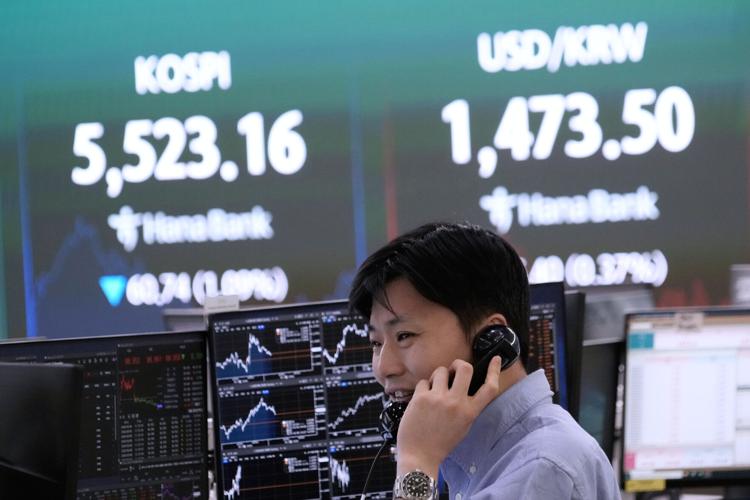
Stock market today: Global financial markets are entering Tuesday, March 10, 2026, with a noticeably calmer tone after several days of intense volatility. Investors around the world had been grappling with geopolitical uncertainty, rising energy prices, and fears of a broader supply disruption in global oil markets. However, fresh political signals suggesting that tensions in the Middle East could ease have helped stabilize market sentiment.
Complete Market Update for stock Market today (March 10, 2026)
Earlier in the week, financial markets experienced sharp swings as traders reacted to the escalating U.S.–Israel confrontation with Iran, which raised concerns that the conflict might spread and disrupt global oil supply routes. Oil prices surged on fears that key shipping channels or production facilities in the region could be affected.
But comments from U.S. President Donald Trump indicating that the conflict could be approaching a resolution helped reduce some of the worst fears. As a result, investors moved away from panic-driven trading and began reassessing risk across global markets.

Financial analysts note that the market environment remains headline-driven, meaning that political developments and energy market signals are still the dominant forces guiding short-term price movements.
For broader financial market updates, investors often monitor major financial data platforms such as
https://www.forexfactory.com/calendar for economic releases and
https://finviz.com/news.ashx for real-time market news.
Oil Markets Ease After Supply Shock Fears
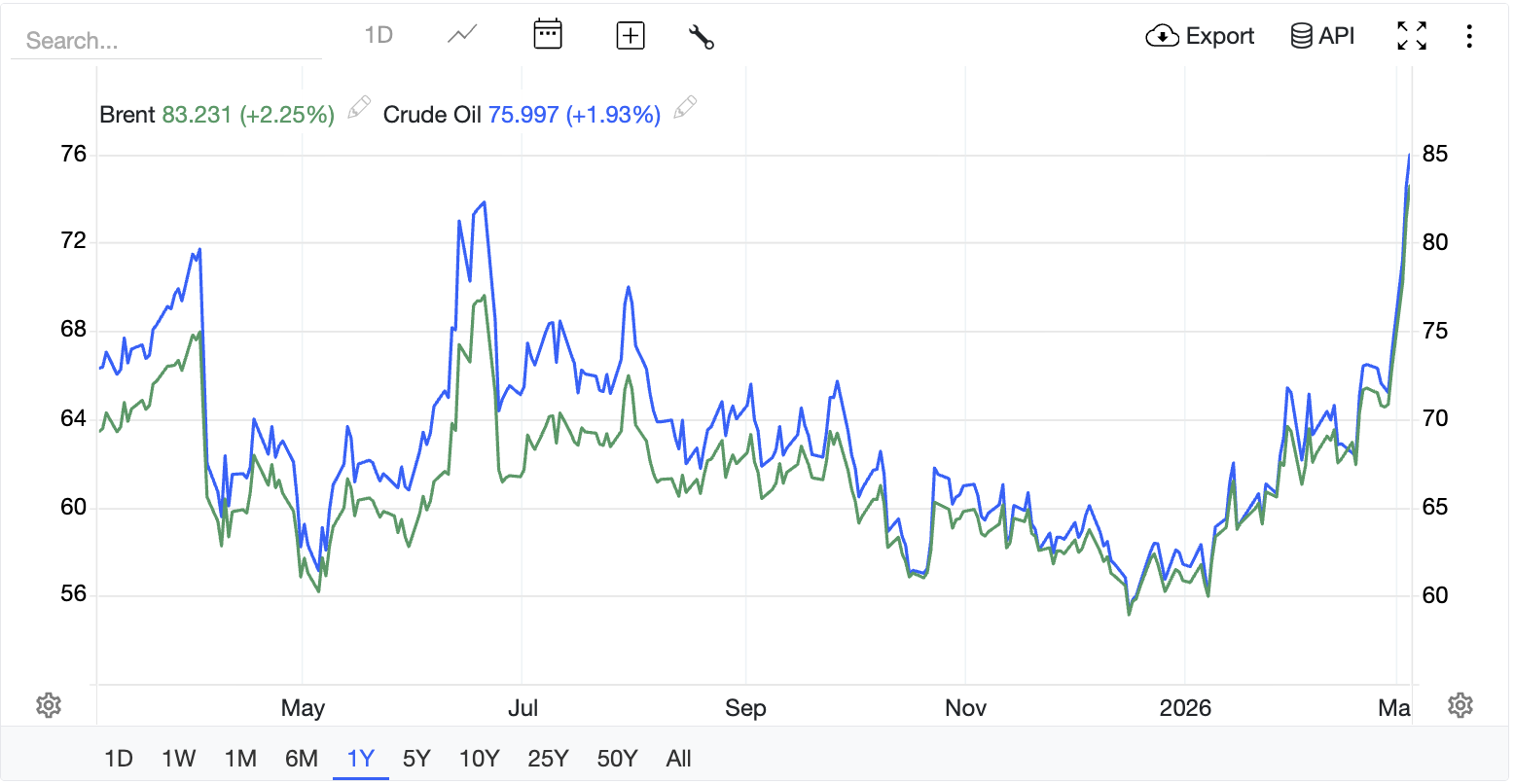
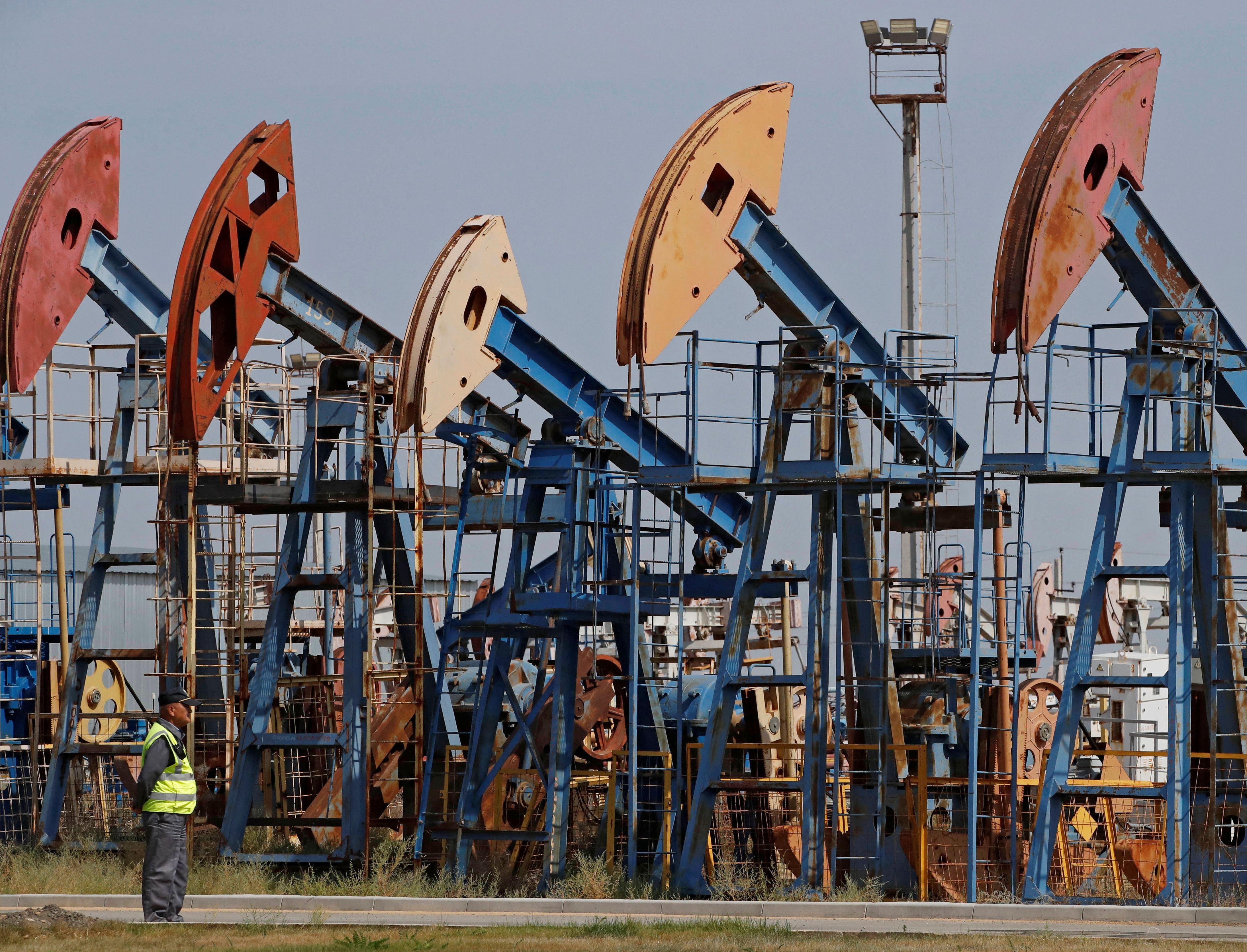
One of the most important drivers behind this week’s market turbulence has been oil prices. At the start of the week, crude oil surged sharply as investors feared that the Middle East conflict could interrupt energy shipments from the region.
The Middle East accounts for a significant share of global oil exports, and any disruption to supply routes — particularly those passing through strategic waterways such as the Strait of Hormuz — can trigger immediate price spikes.
Energy traders reacted quickly to reports suggesting that Iran might attempt to restrict oil exports or shipping activity as part of its response to military pressure. This created the possibility of a sudden global energy supply shock, which would likely push crude prices much higher and fuel inflation worldwide.
However, as diplomatic signals emerged suggesting a potential easing of tensions, oil prices began to pull back from their highest levels. The market reaction illustrates how sensitive energy prices are to geopolitical developments.
Detailed analysis of oil market fundamentals and supply data can be found through the U.S. Energy Information Administration (EIA) at
https://www.eia.gov.
Even with prices retreating, analysts warn that volatility remains elevated. Iran has indicated that certain oil export restrictions could continue until military hostilities fully stop. That means crude prices could still experience sudden spikes if negotiations break down.
Because energy costs influence transportation, manufacturing, and consumer spending, fluctuations in oil prices often ripple through the entire global economy.
Stock Markets Recover as Panic Selling Slows

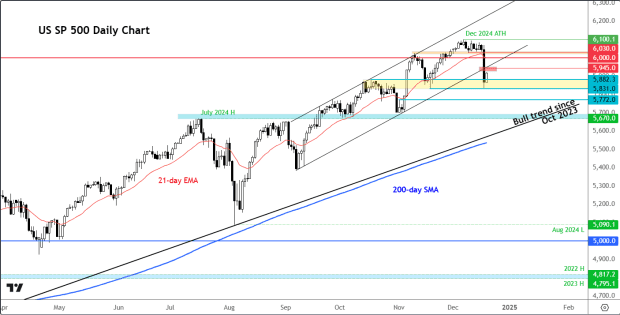
Equity markets responded positively to the easing of oil prices and the possibility of diplomatic progress. After several sessions of selling pressure, major global stock indices began stabilizing and posting modest gains.
When geopolitical shocks occur, investors typically move quickly to reduce risk exposure by selling stocks and shifting capital into safer assets. But once the immediate threat appears less severe, those same investors often return to equities.
This dynamic appears to be playing out across markets today.
Technology stocks, which had been under pressure due to high valuations and global risk concerns, showed signs of recovery as investor confidence improved. Financial and industrial stocks also benefited from the perception that an energy crisis might be avoided.
Nevertheless, analysts caution that the current recovery is fragile. Market sentiment remains extremely sensitive to breaking news from the Middle East.
Professional traders are closely monitoring economic indicators and corporate earnings data alongside geopolitical developments. Market participants frequently track financial analytics tools such as
https://finviz.com and https://www.investing.com/analysis to assess sector performance and macroeconomic trends. If tensions continue to cool, equities could regain momentum in the coming sessions. But any renewed escalation would likely trigger another wave of volatility.
Gold Prices Remain Elevated as Safe-Haven Demand Persists

While stocks are recovering and oil prices are easing, gold remains elevated, highlighting the cautious mood still present in financial markets.
Gold is traditionally viewed as a safe-haven asset. During periods of geopolitical instability or economic uncertainty, investors often increase their exposure to precious metals as a way to preserve capital.
In recent sessions, gold prices climbed significantly as traders sought protection against the possibility of a wider Middle East conflict. Even though tensions appear to be easing, the metal has not given back all of its gains.
This suggests that investors are still hedging against the possibility that negotiations could fail or that new geopolitical risks could emerge.
Gold also tends to benefit when market volatility rises or when investors lose confidence in traditional financial assets. If the geopolitical situation stabilizes further, some of this safe-haven demand may fade. But for now, the metal continues to trade near elevated levels.

Traders monitoring gold and commodity markets often rely on data sources such as
https://www.investing.com/commodities and https://www.reuters.com/markets/commodities
for real-time price updates and market commentary.
Why Markets Are Still Headline-Driven
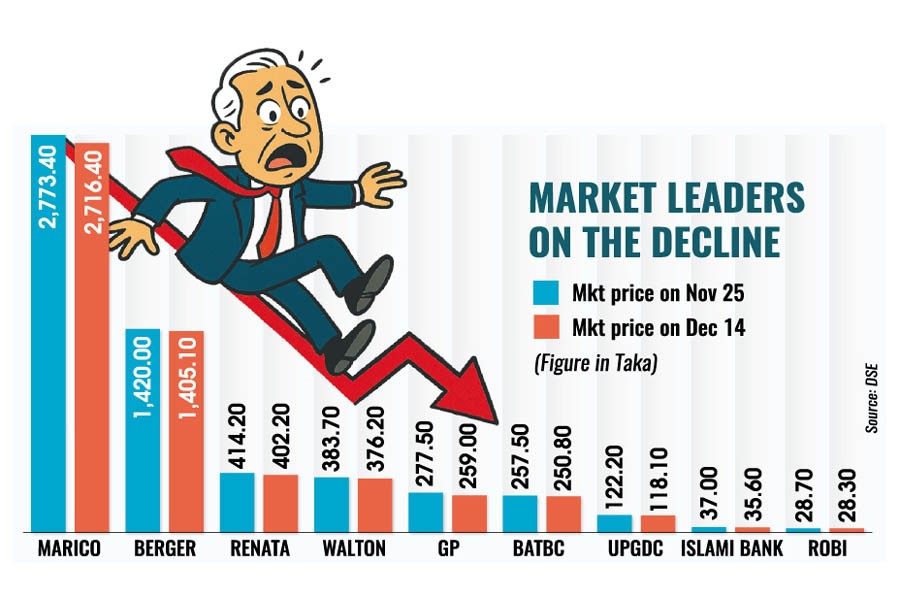
Even though markets are stabilizing, traders remain highly sensitive to breaking news. This environment is often described as headline-driven trading, where market direction is determined less by traditional economic fundamentals and more by geopolitical developments.
In the current situation, a single diplomatic statement or military update can quickly shift investor sentiment. Oil prices, currency markets, and stock indices may react within minutes to new information.
This type of environment typically produces higher volatility, because traders constantly adjust positions as new information emerges.
Several factors explain why markets are reacting so strongly to geopolitical news:
Energy Supply Risk
Any disruption in Middle Eastern oil exports could trigger inflation shocks globally.
Global Economic Uncertainty
Major economies are already dealing with slower growth and tight monetary policy.
Investor Risk Management
Institutional investors often reduce risk exposure quickly when geopolitical tensions rise.
Because of these factors, markets are likely to remain reactive to headlines in the near term.
What Investors Are Watching Next
Looking ahead, traders will continue monitoring several key developments that could determine the direction of global markets this week.
1. Diplomatic Progress in the Middle East
If negotiations lead to a lasting ceasefire, oil prices may continue falling and stock markets could extend their recovery.
2. Oil Export Developments
Any confirmation that Iranian oil restrictions remain in place could reignite supply fears.
3. Central Bank Policy Signals
Rising energy prices can increase inflation pressure, which may influence future interest-rate decisions.
4. Economic Data Releases
Upcoming economic reports, including inflation and employment data, could shape investor expectations for global growth.
Market participants closely track economic calendars such as
to prepare for data releases that may influence market volatility.
Market Outlook
Overall, global financial markets are transitioning from panic to cautious optimism. The worst fears of an immediate oil supply shock appear to be fading, allowing equities to recover from recent losses.
However, the situation remains far from resolved. Oil markets are still sensitive to geopolitical developments, and gold prices indicate that investors remain cautious.
If diplomatic efforts succeed and energy markets stabilize, the global stock market could enter a period of stronger recovery. But if tensions escalate again, volatility could quickly return.
For investors and traders, the key lesson from today’s market action is clear: geopolitical events remain one of the most powerful forces shaping financial markets in 2026.
Stock Market Today (March 10, 2026): Stocks Rebound, Gold Holds Firm, Oil Pulls Back