
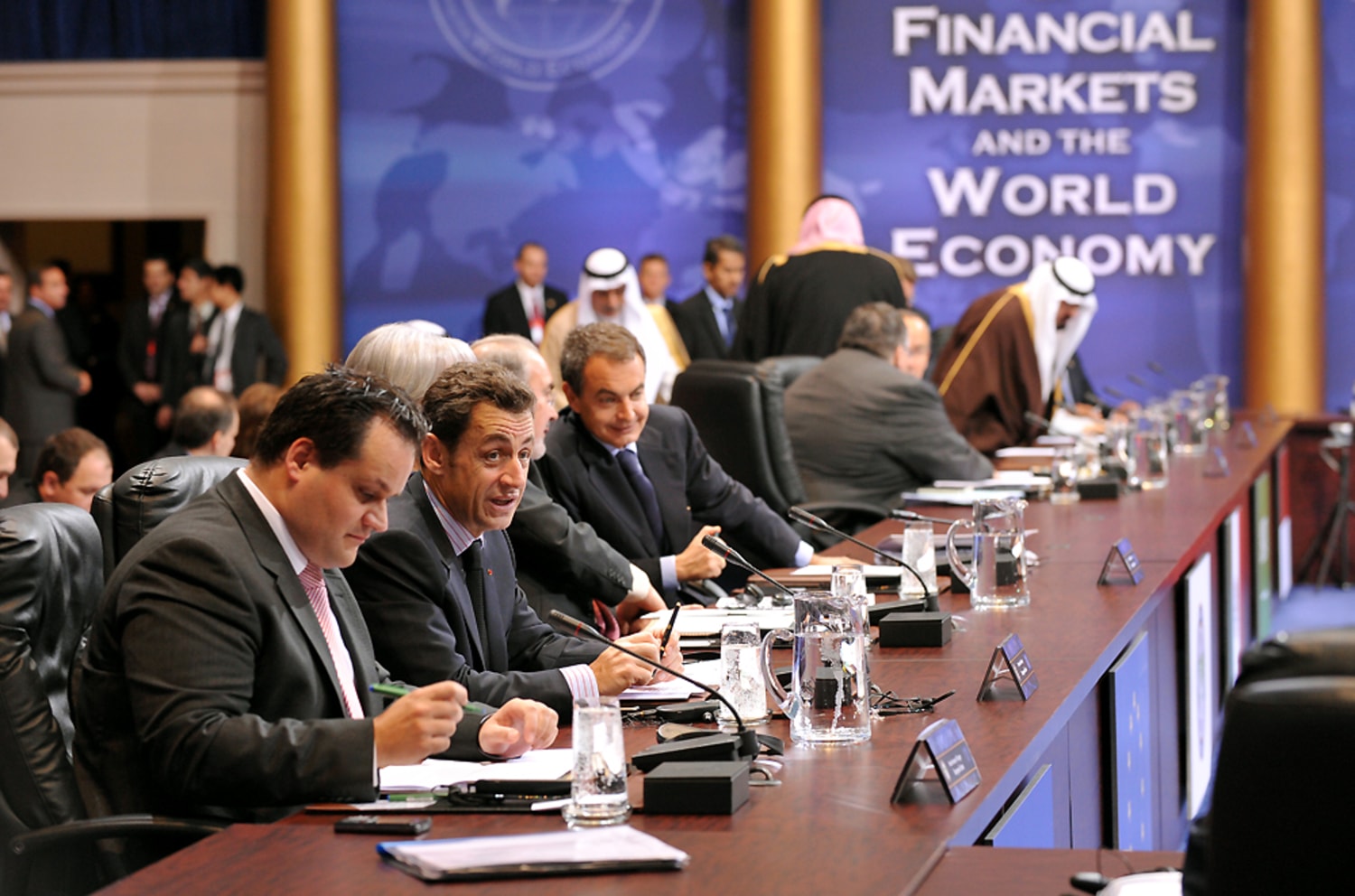
🚨 Stock Market Today (March 10, 2026): Trump Signals Iran War De-Escalation — Stocks Surge, Oil Falls, Gold Holds Firm
Global financial markets reacted sharply today after comments from Donald Trump suggested that tensions with Iran could begin to ease sooner than expected. Investors across stocks, commodities, and currencies immediately recalibrated their expectations as traders interpreted the remarks as a potential signal that the current conflict might be approaching de-escalation.
Markets have been extremely sensitive to developments in the Middle East because of the region’s central role in global energy production. Any hint that the situation could stabilize tends to reduce the fear premium built into oil prices and safe-haven assets.

As a result, stocks rebounded strongly, oil prices pulled back, and gold remained elevated, reflecting the delicate balance between optimism and lingering geopolitical uncertainty.
For real-time market updates and analysis, traders frequently monitor financial platforms such as:
- https://www.forexfactory.com/calendar
- https://finviz.com/news.ashx
- https://www.investing.com/analysis
These sources track macroeconomic releases, geopolitical developments, and financial market sentiment.
📈 Why Global Markets Reacted So Quickly
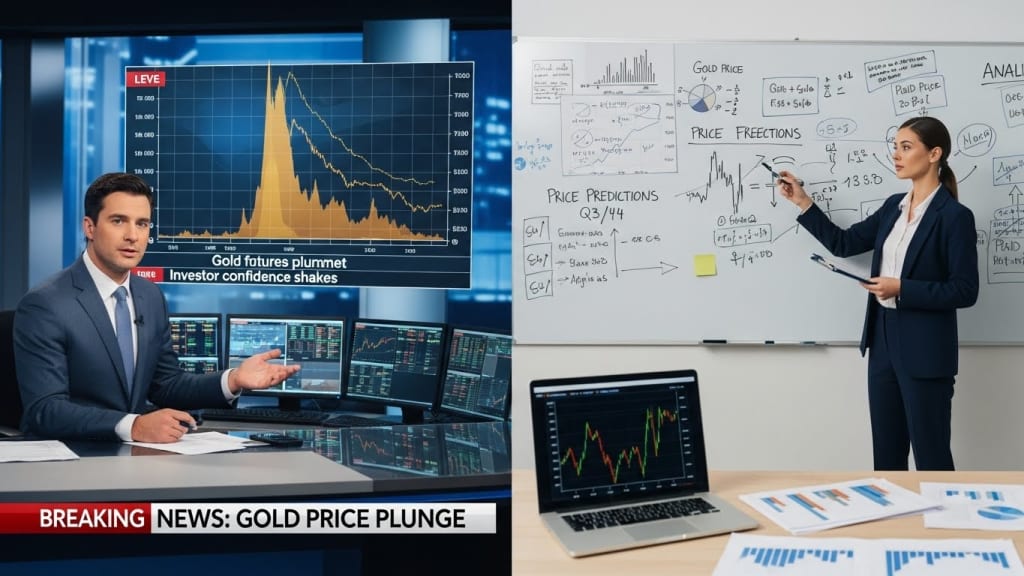

Financial markets often react within minutes to geopolitical developments. The possibility that tensions between the United States and Iran might cool was enough to shift sentiment across multiple asset classes.
Markets had previously been pricing in the possibility of:
- oil supply disruptions
- shipping blockades
- wider regional conflict
When those worst-case scenarios appear less likely, investors begin rotating capital back into risk assets such as equities.
However, analysts emphasize that today’s rally represents a relief reaction rather than full confidence that the conflict is resolved. Geopolitical situations can change quickly, meaning markets remain extremely headline-driven.
🛢️ Oil Prices Fall as War Fears Ease
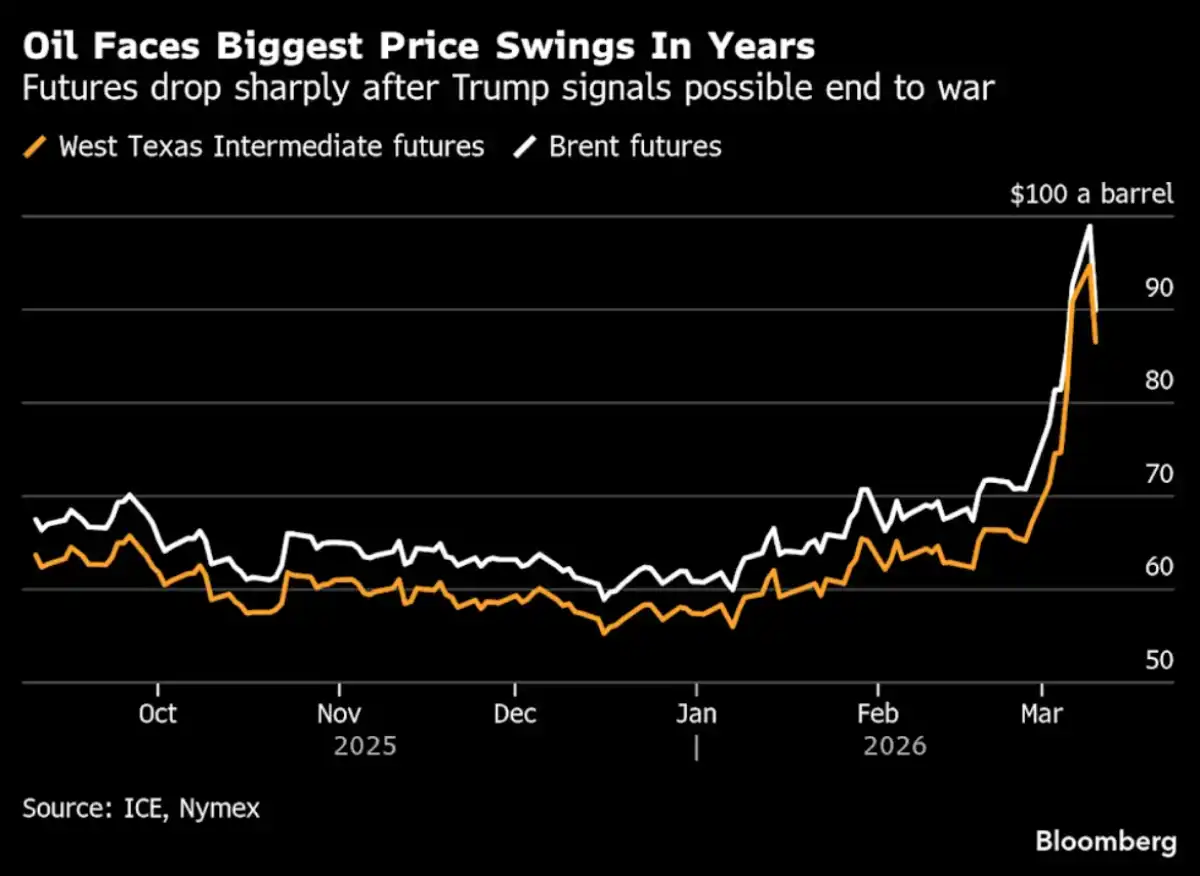
One of the most immediate market reactions was seen in the oil market. Crude prices dropped as traders began removing part of the geopolitical risk premium that had built up during the recent escalation.
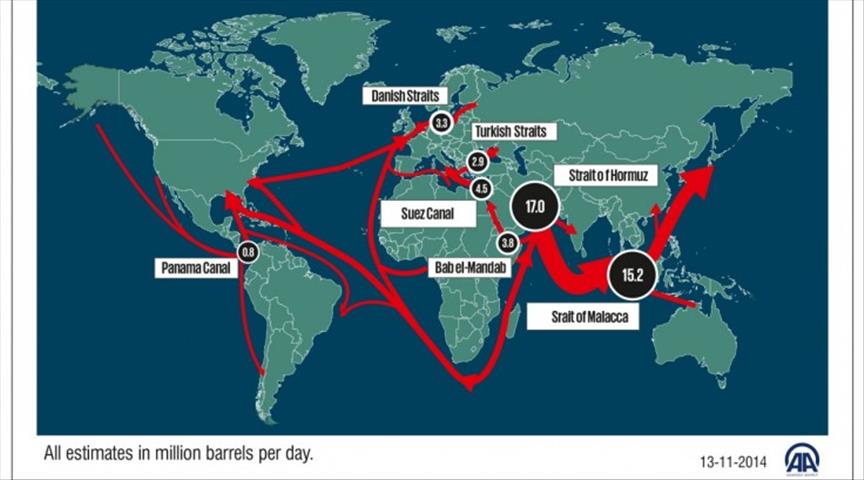
The Middle East plays a crucial role in global energy supply, with a large percentage of the world’s oil exports passing through key shipping routes such as the Strait of Hormuz.
If tensions escalate and shipping lanes become threatened, global energy prices can spike dramatically.
However, if diplomatic progress reduces the likelihood of supply disruption, crude prices often fall quickly. That dynamic appears to be driving today’s energy market movement.
Energy traders frequently monitor oil supply and production data through the U.S. Energy Information Administration:
Despite the pullback, oil markets remain highly sensitive to geopolitical developments, meaning volatility could return quickly if tensions escalate again.
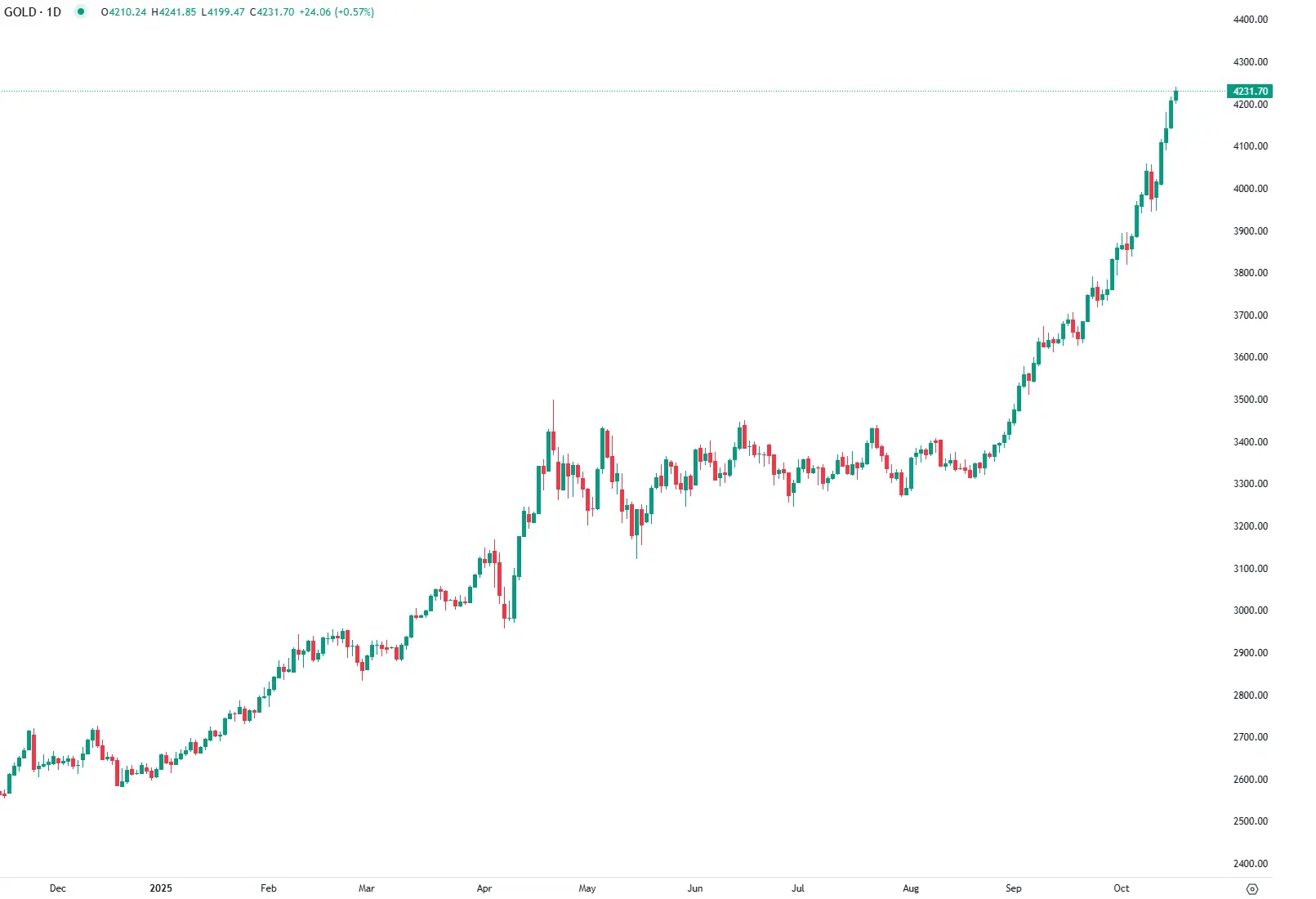
🪙 Gold Stays Elevated as Investors Hedge Risk

4
While equities rallied and oil retreated, gold prices remained relatively firm, highlighting the continued uncertainty surrounding the geopolitical situation.
Gold has long been considered a safe-haven asset, meaning investors often buy it when political or economic instability rises.
Even though markets welcomed the possibility of de-escalation, traders are still hedging against the risk that tensions could flare up again. This explains why gold prices did not fall sharply alongside oil.
Commodity analysts often track precious metal trends through resources such as:
These platforms provide real-time insights into precious metal demand, central bank policy, and macroeconomic trends.
📊 How De-Escalation Could Affect Global Equity Markets


Equity markets responded positively to the possibility that geopolitical risks may begin easing.
When oil prices surge due to geopolitical tensions, stocks often fall because investors worry about rising costs and inflation pressure. But when oil retreats, those fears diminish and equities can rebound.
Several sectors could benefit if the conflict stabilizes:
Technology Stocks
Large technology companies often perform well during periods of geopolitical uncertainty because they tend to have strong balance sheets and diversified global operations.
Transportation and Airlines
Lower oil prices reduce fuel costs, which improves profit margins for airlines and shipping companies.
Consumer and Retail Companies
If energy prices decline, consumers typically have more disposable income, supporting spending and corporate earnings.

However, markets remain cautious because a renewed escalation could quickly reverse these gains.
⚠️ Could Trump Change Oil Sanctions?


4
Another major topic investors are watching is whether the U.S. government might adjust oil sanctions policy.
Sanctions can significantly influence global energy supply because they restrict how much oil certain countries can export to international markets.
If sanctions were eased, global oil supply could increase — potentially pushing crude prices lower. On the other hand, stricter sanctions could tighten supply and send prices higher.
These policy decisions can have widespread economic effects, influencing:
- inflation levels
- transportation costs
- corporate profit margins
- commodity prices
Energy market participants frequently analyze supply dynamics through reports published by organizations such as the International Energy Agency:
💥 Five Market Scenarios Investors Are Watching


4
Because geopolitical situations can evolve quickly, investors are preparing for multiple possible outcomes.
1️⃣ Conflict Escalates
If tensions intensify, oil could surge while stocks fall and gold rises sharply.
2️⃣ Diplomatic Progress
If negotiations succeed, oil prices may fall and equities could rally further.
3️⃣ Shipping Disruption
If oil shipping routes become threatened, energy markets could spike dramatically.
4️⃣ Sanction Changes
Adjustments to oil sanctions could dramatically alter global supply dynamics.
5️⃣ Stabilization
If tensions stabilize without major escalation, markets may gradually return to normal trading conditions.
This type of scenario analysis is widely used by institutional investors to manage risk in uncertain geopolitical environments.
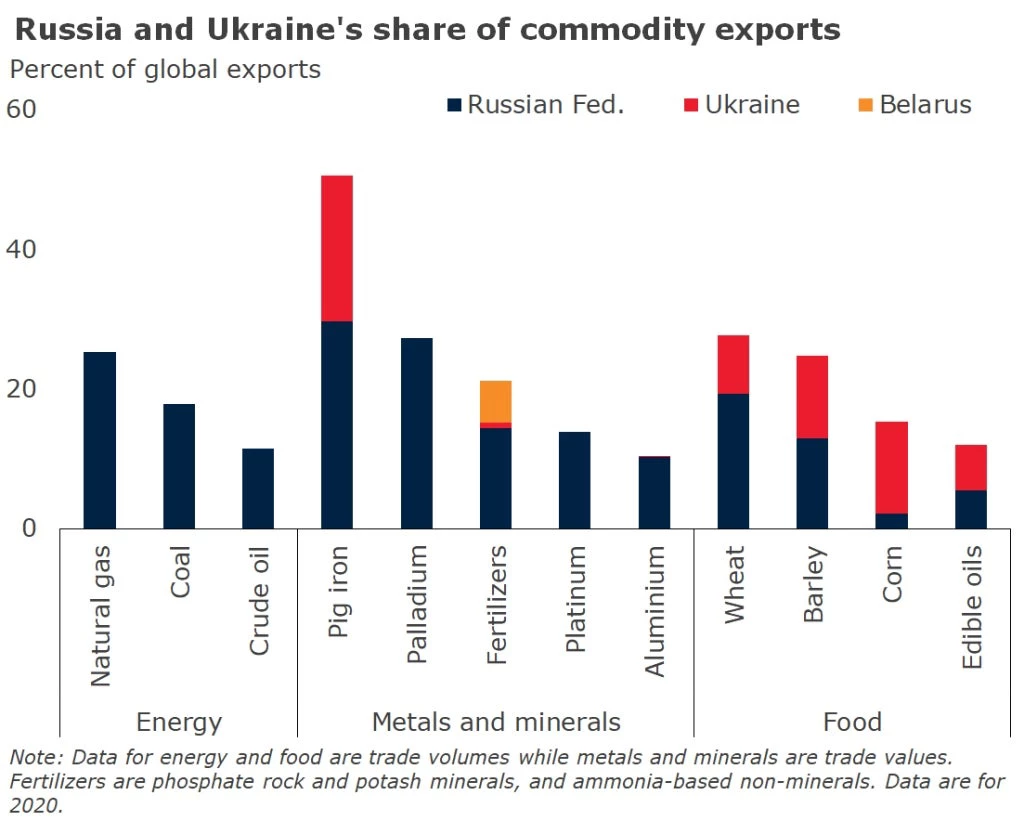
🌍 Could Trump’s Policies Trigger a Commodity Boom?


4
Some analysts believe that the broader policy direction of the United States could influence long-term commodity trends.
Energy policy, trade negotiations, and global infrastructure investment can all shape demand for commodities such as:
- oil
- copper
- gold
- agricultural products
If global growth strengthens while supply remains constrained, commodity prices could enter a new supercycle.
Historically, commodity booms have often occurred during periods of rising infrastructure spending and inflation pressure.
📉 How Trump’s Foreign Policy Could Move Markets This Week


Several geopolitical catalysts could influence markets in the coming days:
Middle East Conflict
Any escalation or diplomatic progress will directly affect oil prices.
China Trade Relations
Trade tensions between major economies could influence global growth expectations.
Sanctions Policy
Changes to sanctions can dramatically alter commodity supply.
Military Developments
Security developments can affect investor confidence and risk appetite.
Because financial markets respond quickly to political developments, traders will continue monitoring government statements and diplomatic negotiations closely.
🚨 Market Takeaway
Today’s financial markets are being driven by a single overarching question:
Is the geopolitical oil shock fading — or only temporarily pausing?
Stocks are rising because investors see signs of short-term relief. Gold remains strong because uncertainty has not fully disappeared. Oil is falling because the most extreme supply disruption fears are easing.
This combination makes March 10, 2026 a classic cross-asset trading day, where geopolitical news is driving simultaneous moves across equities, commodities, and currencies.
If tensions continue to ease, global markets may build on today’s rebound. But if the conflict escalates again, gold and oil could quickly reclaim control of the entire market narrative.
Global financial markets moved sharply today after remarks from Donald Trump suggested that tensions with Iran could begin easing sooner than previously expected. Investors across multiple asset classes — including stocks, commodities, and currencies — quickly reassessed their outlook as traders interpreted the comments as a signal that the geopolitical conflict might be approaching a period of de-escalation.
Markets had spent several sessions pricing in the possibility of a broader regional conflict that could disrupt oil supply routes and trigger a significant economic shock. When political signals suggested that tensions might stabilize, traders responded immediately by shifting capital back into risk assets.
The reaction was visible across the global financial system. Equity markets rebounded, oil prices retreated, and gold remained elevated, illustrating the complex balance between improving sentiment and lingering geopolitical uncertainty.
For real-time market monitoring, investors frequently track financial platforms such as:
- https://www.forexfactory.com/calendar
- https://finviz.com/news.ashx
- https://www.investing.com/analysis
These resources provide continuous updates on macroeconomic data releases, geopolitical developments, and investor sentiment across global markets.
Why the Middle East Matters So Much to Financial Markets


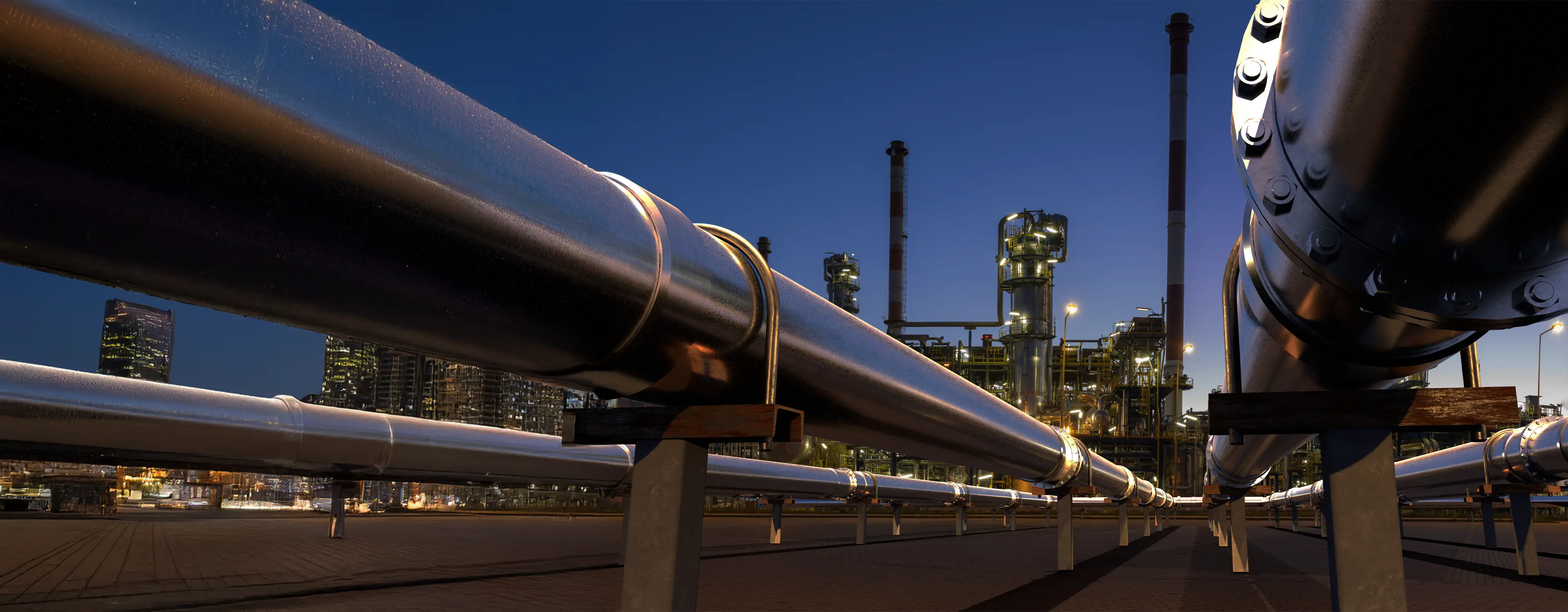
Financial markets are extremely sensitive to developments in the Middle East because the region plays a central role in the global energy system. A large portion of the world’s crude oil supply originates from countries located around the Persian Gulf.
One of the most critical locations for global oil shipments is the Strait of Hormuz. Roughly a fifth of the world’s petroleum exports pass through this narrow waterway each day.
If geopolitical tensions threaten shipping routes or oil infrastructure in the region, energy markets can react almost instantly. Traders often build a “risk premium” into oil prices during such periods, pushing crude prices higher even before any physical supply disruptions occur.
That risk premium tends to fade when markets believe tensions may be easing. As political rhetoric shifts toward diplomacy rather than escalation, investors reduce their expectations for a supply shock.
Energy analysts frequently monitor global oil production and shipping data through organizations such as the U.S. Energy Information Administration:
These data help traders evaluate whether geopolitical tensions are likely to translate into real supply disruptions.
Stocks Rebound as Oil Pressure Eases


4
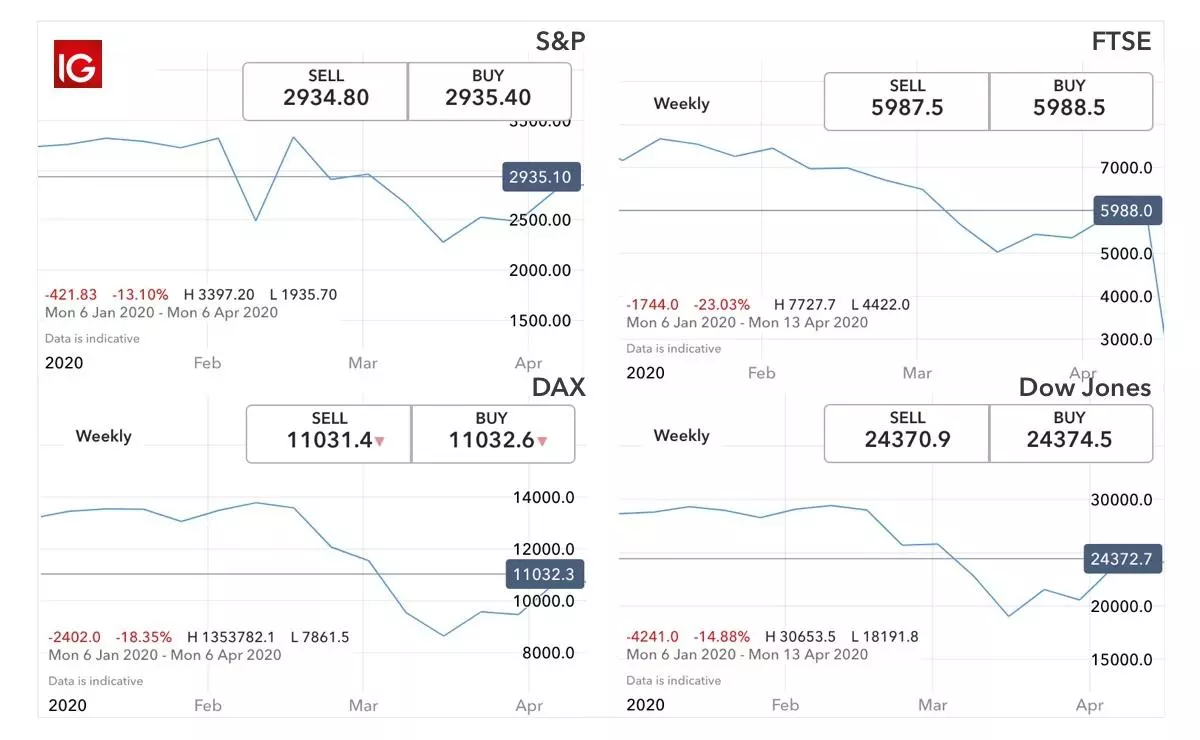
Equity markets responded positively to the possibility that the geopolitical situation could stabilize. When oil prices surge rapidly, stock markets often struggle because higher energy costs can hurt corporate profits and increase inflation pressures.
However, when crude prices retreat from extreme levels, equity markets typically recover.
Today’s rebound reflects the idea that investors are re-evaluating the worst-case scenarios that had been dominating financial markets earlier in the week.
Several sectors are particularly sensitive to energy price movements:
Airlines and transportation companies benefit when fuel costs decline.
Consumer companies often perform better when inflation pressures ease.
Technology stocks can attract investors during uncertain periods because of their global diversification and strong balance sheets.
Many traders analyze sector performance and market breadth using platforms such as:
https://finviz.com
https://www.investing.com/charts
These tools help investors understand which industries are leading the market recovery.
Oil Pulls Back as Risk Premium Fades


4
The most immediate market reaction occurred in the oil market. Crude prices pulled back after several sessions of strong gains driven by fears of a supply shock.
During geopolitical crises, oil traders often assume the worst-case scenario — such as export disruptions or shipping blockades — and push prices higher to reflect that possibility.
But when political signals indicate that a conflict may not escalate further, those fears begin to fade. Traders then unwind positions that were built on the assumption of rising geopolitical risk.
Despite today’s decline, energy markets remain volatile. Iran has previously suggested that restrictions on oil exports or shipping routes could remain in place until military tensions fully subside.
For ongoing oil market analysis, traders monitor commodity data from sources including:
Gold Remains Elevated as Investors Hedge Risk

4
While stocks and oil responded strongly to the geopolitical headlines, gold remained relatively elevated.
This reflects the fact that investors are still hedging against the possibility that tensions could flare up again.
Gold has historically served as a safe-haven asset, meaning that investors often buy it when geopolitical or economic uncertainty rises. Even when markets begin to stabilize, gold prices may remain elevated if traders believe the underlying risks have not completely disappeared.
Central bank policy, inflation expectations, and geopolitical instability all influence the price of precious metals.
Investors tracking gold market dynamics frequently consult resources such as:
https://www.investing.com/commodities/gold
https://www.reuters.com/markets
Why Markets Are Still Cautious


4
Despite today’s rebound, market participants remain cautious. Investors are aware that geopolitical situations can change quickly, and diplomatic progress does not always guarantee lasting stability.
Several key questions continue to dominate market discussions:
- Will negotiations between the United States and Iran lead to a lasting reduction in tensions?
- Could oil supply routes still face disruptions?
- How might global inflation respond to energy price volatility?
- Will central banks adjust policy if energy prices spike again?
Because these questions remain unresolved, markets are likely to stay headline-driven, meaning prices can move rapidly in response to new developments.
Market Outlook
The global market reaction today highlights how closely financial assets are tied to geopolitical developments.
Stocks rose because investors see temporary relief from the worst energy supply fears. Oil prices declined because the market is stepping back from its most extreme risk scenario. Gold remains strong because geopolitical uncertainty has not completely disappeared.
In other words, the market is navigating a delicate balance between optimism and caution.
If diplomatic signals continue to improve, equity markets could extend their rebound and commodity volatility may gradually decline. However, if tensions escalate again, oil and gold could quickly regain control of the market narrative.
For traders and investors, March 10, 2026 represents a classic example of how geopolitical events can ripple across the entire global financial system — influencing stocks, commodities, currencies, and investor psychology all at once.
Follow Our News Trends below:
Oil Shock Fears Rock Global Markets as Trump-Iran Crisis Escalates — Stocks, Gold and Forex React