
Stock Market Today (March 10 2026): Stocks Rebound, Gold Holds Above $5,180, Oil Slides After Iran War De-Escalation Hopes
Reports for Stock Market Today (March 10 2026) reveals that the Global markets are entering Tuesday with a more balanced tone after one of the most volatile stretches in recent sessions. The biggest story is still the Middle East. Markets were shaken by fears that the U.S.-Israel conflict with Iran could trigger a deeper oil-supply shock, but sentiment improved after comments from President Trump suggested the conflict could be nearing an end. That shift helped calm some of the panic seen earlier in energy markets and allowed equities to recover.
The result is a market that is no longer trading on pure fear, but it is still highly headline-driven. Stocks are rebounding because oil is no longer pressing toward the most extreme levels seen on Monday, while gold remains elevated because traders are not fully convinced the geopolitical risk has disappeared. Oil is falling because de-escalation talk reduces the probability of an immediate supply shock, but crude remains vulnerable to sharp reversals because Iran has also said its oil blockade will continue until attacks end.
What Is Driving Stocks Higher Today? (March 10, 2026 Market Analysis)
4
U.S. stock markets are showing resilience today after a turbulent start to the week, with investors gradually regaining confidence following Monday’s volatility. The previous trading session saw sharp intraday swings driven primarily by surging oil prices and geopolitical uncertainty linked to tensions in the Middle East.
However, as new signals suggested that the conflict might not escalate into a broader regional crisis, investors began reassessing risk. That shift helped equities stabilize and move higher during Tuesday’s session.
The rebound is visible in major exchange-traded funds (ETFs) that track key U.S. indices. The SPDR S&P 500 ETF (SPY) traded near 678.27, the Invesco QQQ Trust (QQQ) around 607.76, and the SPDR Dow Jones Industrial Average ETF (DIA) near 477.88. All three ETFs posted gains after experiencing sharp price swings earlier in the trading cycle.
These movements reflect a market environment that is transitioning from panic-driven trading to a more balanced evaluation of risk.
Investors who want to monitor real-time ETF pricing and market analytics often rely on financial platforms such as:
https://finviz.com
https://www.investing.com/etfs
https://www.forexfactory.com/calendar
These resources provide insights into macroeconomic releases, sector performance, and market-moving news.
Oil Prices and Inflation Expectations

One of the biggest reasons stocks are stabilizing today is the pullback in oil prices. Energy markets have been the central driver of global financial sentiment in recent sessions, largely due to fears that geopolitical tensions could disrupt oil supply routes.
When crude oil surged earlier this week, investors quickly began pricing in a range of economic risks. Rising energy prices can push transportation costs higher, increase manufacturing expenses, and squeeze corporate profit margins. These effects can ripple across the entire economy.
Higher oil prices also raise concerns about inflation persistence. If inflation accelerates again, central banks may have less flexibility to lower interest rates or stimulate economic growth.
Because of this, equity markets often react negatively when crude oil spikes suddenly.
However, as oil prices retreated from their recent highs, many of those worst-case inflation scenarios began to ease. This allowed investors to move back into equities, providing a lift to major stock indices.
Energy market participants frequently track global oil data through organizations such as the U.S. Energy Information Administration (EIA):
This data helps investors evaluate supply trends, production levels, and demand forecasts that influence oil prices.
Market Recovery After Monday’s Volatility
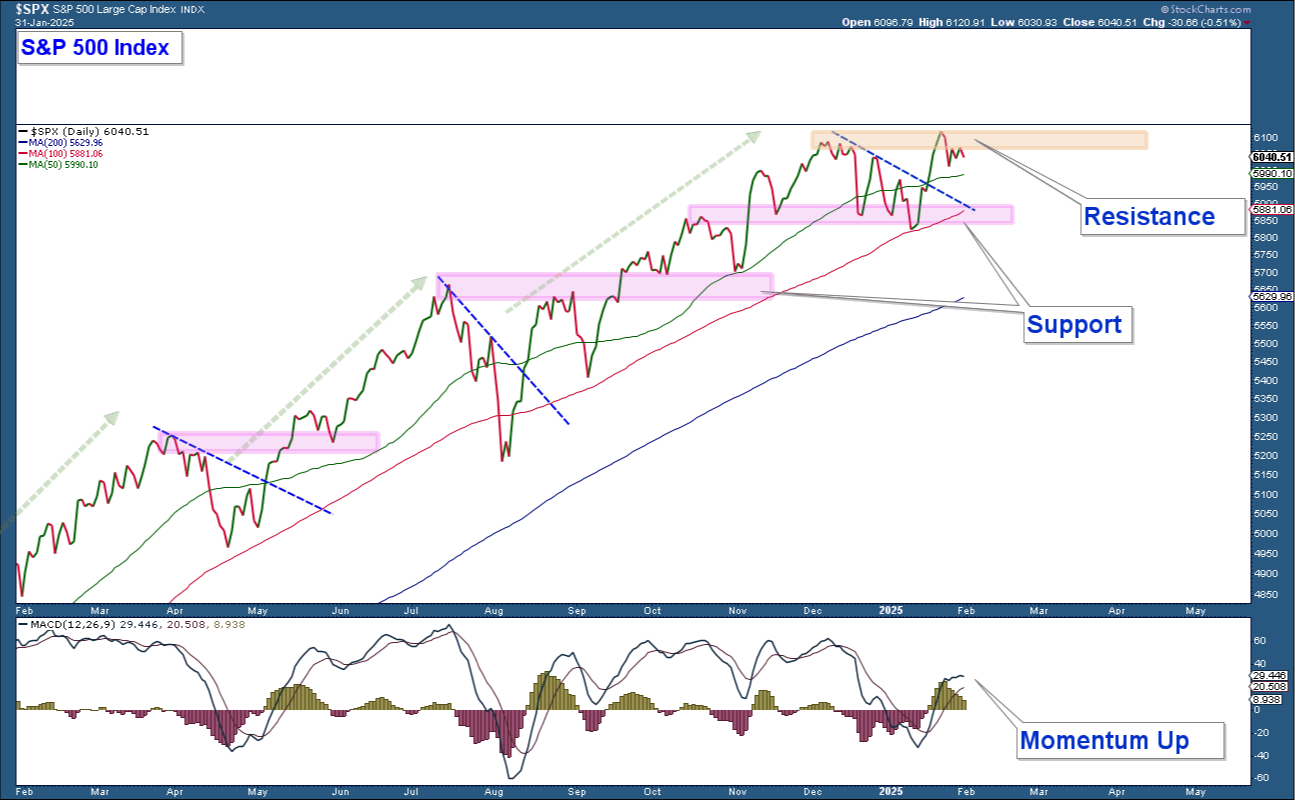
Monday’s trading session was marked by sharp volatility as investors reacted to a sudden spike in energy prices and geopolitical headlines. Stocks initially sold off as oil surged, triggering concerns that a prolonged conflict could damage global economic growth.
But as new information emerged suggesting that the situation might stabilize, traders quickly adjusted their positions.
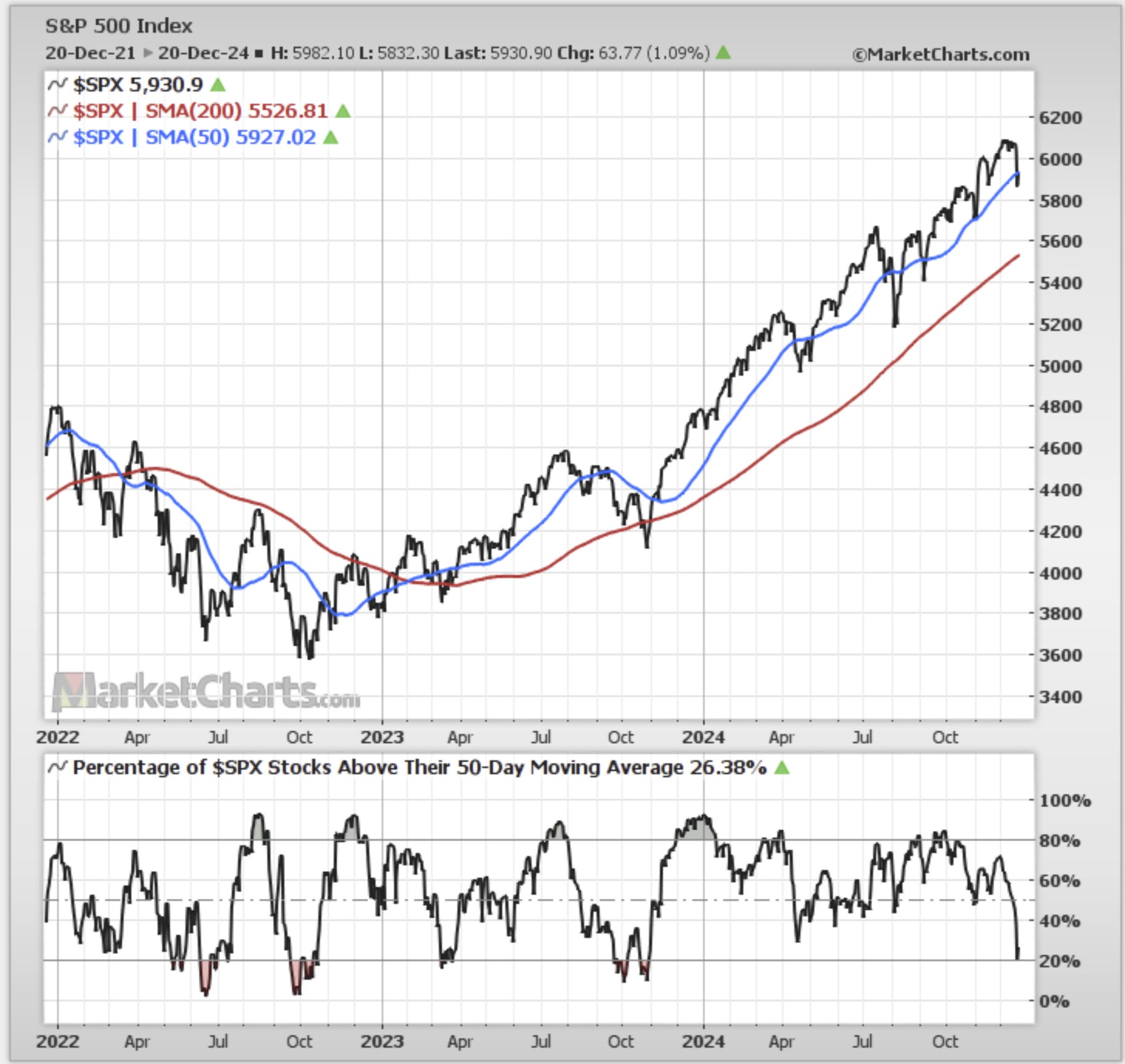
This kind of intraday reversal is increasingly common in modern financial markets, where algorithmic trading and global information flows can shift sentiment within minutes.
The rebound seen today suggests that investors are not abandoning equities entirely but are instead carefully managing risk while waiting for clearer signals about geopolitical developments.
Professional traders often analyze these types of market reversals using technical indicators and chart analysis tools available through platforms such as:
https://finviz.com/forex_charts.ashx
https://www.investing.com/charts
Technical levels such as support and resistance zones can provide clues about whether a rebound is sustainable or merely a short-term bounce.
Sector-Level Impact: Airlines and Energy-Sensitive Stocks

Although the broader stock market is recovering, not every sector is benefiting equally. Energy-sensitive industries, particularly airlines, remain under pressure.
Airlines are heavily exposed to fluctuations in jet fuel prices, which are directly linked to crude oil markets. Even though oil prices have started to fall back, the earlier surge forced many airlines to raise ticket prices to offset higher operating costs.
That means investors are now distinguishing between sectors that can benefit from declining oil prices and those that have already absorbed financial damage from the earlier spike.
Industries such as:
- Airlines
- Logistics companies
- Shipping firms
- Travel operators
often experience immediate cost pressure when energy prices surge.
By contrast, sectors such as consumer technology or financial services may be less sensitive to short-term energy volatility.
This type of sector rotation is common during periods of macroeconomic uncertainty, as investors reallocate capital toward industries that appear more resilient.
Technology Stocks and Supply Chain Diversification

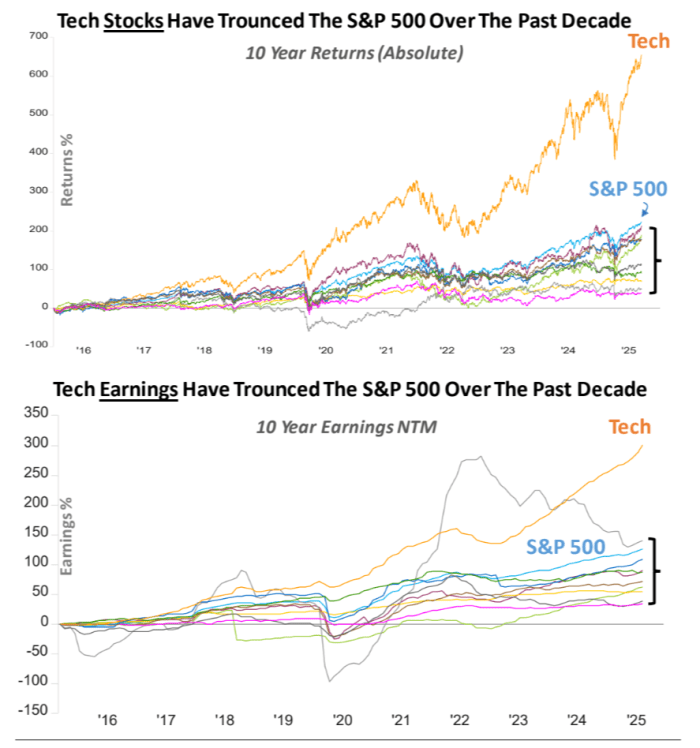
Another important theme supporting the stock market today is the continued strength of large-cap technology companies.
Technology stocks have remained central to equity market performance for years, and they continue to attract investor attention because of their scale, profitability, and global reach.
One of the most notable developments involves Apple’s expanding production footprint in India. Reports indicate that roughly 25% of iPhones are now manufactured in India, highlighting a broader supply-chain diversification strategy.
This shift reflects an ongoing effort by major technology firms to reduce dependence on China and build more flexible global production networks.
For investors, supply-chain diversification carries several implications:
Geopolitical Risk Reduction
Companies that spread production across multiple countries can better manage disruptions caused by political tensions or trade restrictions.
Tariff and Trade Policy Flexibility
Diversified supply chains allow firms to adapt to changing trade policies and tariffs.
Operational Resilience
Manufacturing across different regions reduces the risk of a single disruption affecting global product availability.
These factors help explain why large-cap technology companies continue to command premium valuations in equity markets.
Investors tracking global technology sector trends often follow market coverage from sources such as:
https://www.reuters.com/technology
https://www.bloomberg.com/technology
These platforms provide detailed analysis of corporate strategy, supply chains, and emerging technology trends.
Why Investors Are Watching Big Tech Closely
Technology companies are increasingly viewed not just as growth engines but also as strategic infrastructure providers in the modern economy.
Major firms such as Apple, Microsoft, and semiconductor manufacturers are deeply integrated into industries ranging from artificial intelligence to cloud computing and consumer electronics.
Because of this, their ability to adapt to geopolitical changes can influence the broader stock market.
For example, if a major technology company demonstrates that it can successfully navigate tariffs, regulatory changes, or supply-chain disruptions, investors often interpret that as a signal that the broader technology sector remains resilient.
This perception has been an important factor supporting the Nasdaq and growth-oriented indices even during periods of macroeconomic stress.
Market Outlook for the Coming Sessions
Overall, today’s market action reflects a shift from fear-driven selling toward cautious stabilization.
Stocks are rising primarily because oil prices are no longer accelerating higher, which reduces immediate inflation fears and allows investors to re-enter risk assets.
However, the situation remains fluid.
Key factors investors will continue watching include:
- Developments in the Middle East conflict
- Oil supply disruptions or shipping restrictions
- Inflation expectations and central bank policy signals
- Corporate earnings updates from major companies
If oil prices continue to stabilize and geopolitical tensions ease further, equity markets could extend their rebound.
But if energy prices spike again or new geopolitical risks emerge, markets may quickly return to the volatility seen earlier this week.
For now, the message from financial markets is clear: stocks are moving higher today not because risks have disappeared, but because the most extreme scenarios appear less likely than they did just 24 hours ago.
Stock Market News Analysis: Why the Rebound Is Cautious, Not Fully Bullish (March 10, 2026)
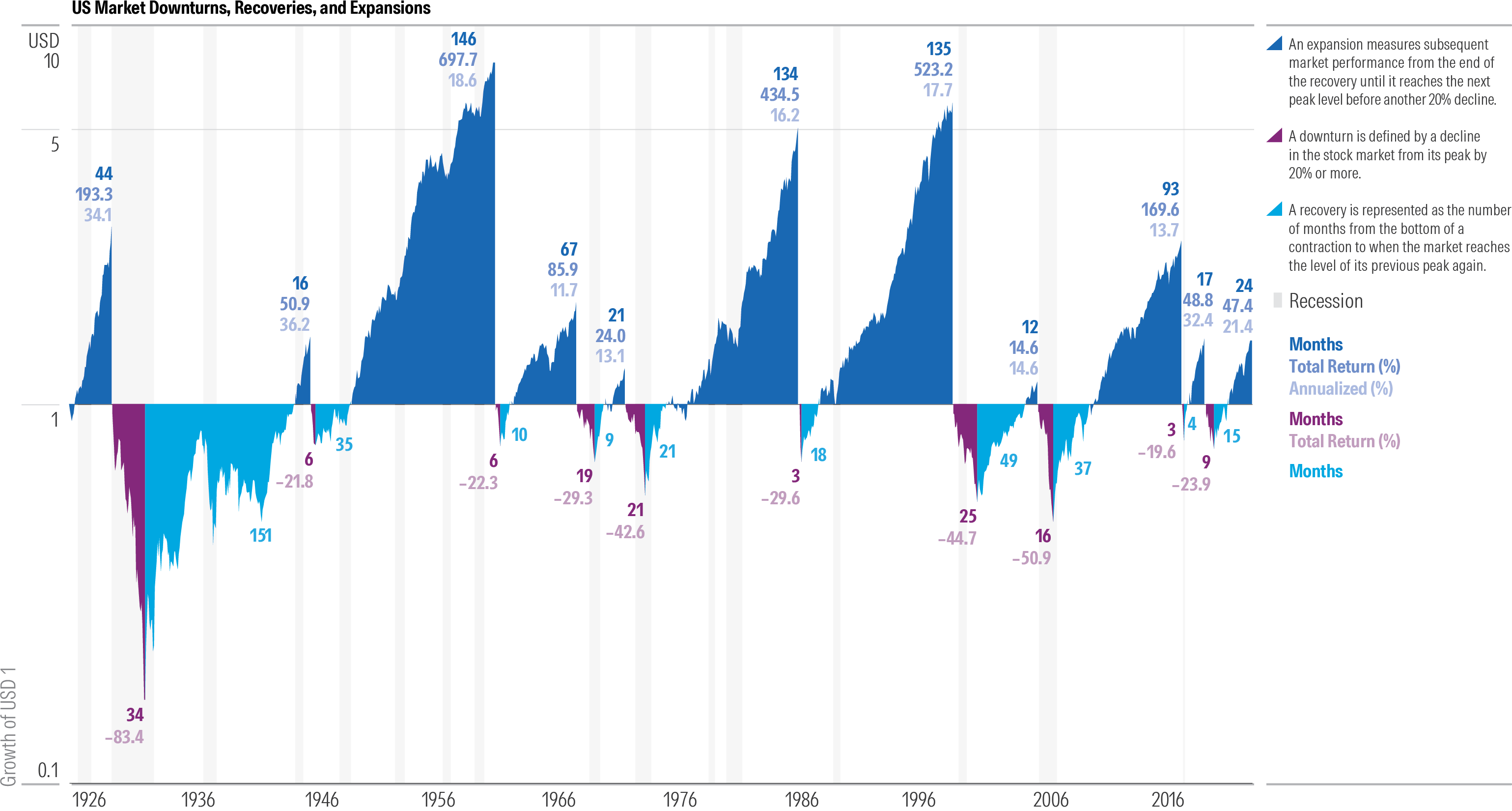
Global stock markets are showing signs of recovery today, but analysts caution that the rebound should not be mistaken for a full bullish breakout. Instead, what investors are witnessing is more accurately described as a relief rally — a temporary recovery driven by easing fears rather than a fundamental shift in market conditions.
After Monday’s sharp volatility, investors stepped back into equities once energy prices began retreating. Oil had surged earlier in the week due to escalating tensions in the Middle East, raising concerns that a broader conflict could disrupt global supply chains and push inflation higher.

When crude prices cooled slightly, equity markets responded with a rebound. However, this recovery remains fragile because the underlying geopolitical risks have not fully disappeared.
Financial analysts monitoring global markets frequently track macroeconomic updates and geopolitical developments through platforms such as:
https://www.forexfactory.com/calendar
https://finviz.com/news.ashx
https://www.investing.com/analysis
These resources provide real-time insights into economic data, policy developments, and global financial sentiment.
Asian Markets Lead the Initial Recovery

The first clear signs of stabilization appeared in Asian equity markets, which rebounded strongly after the initial shock caused by rising oil prices.
Several major regional indices recorded gains as energy prices began retreating:
- South Korea’s KOSPI Index recovered after heavy selling pressure.
- Japan’s Nikkei 225 posted a strong rebound driven by technology and export stocks.
- Hong Kong’s Hang Seng Index climbed as risk sentiment improved.
- Australia’s ASX 200 also gained as energy concerns eased.
The rally across Asian markets indicates that investors remain willing to buy equities when energy-related stress declines. However, the speed of these swings also highlights how dependent markets currently are on geopolitical developments.
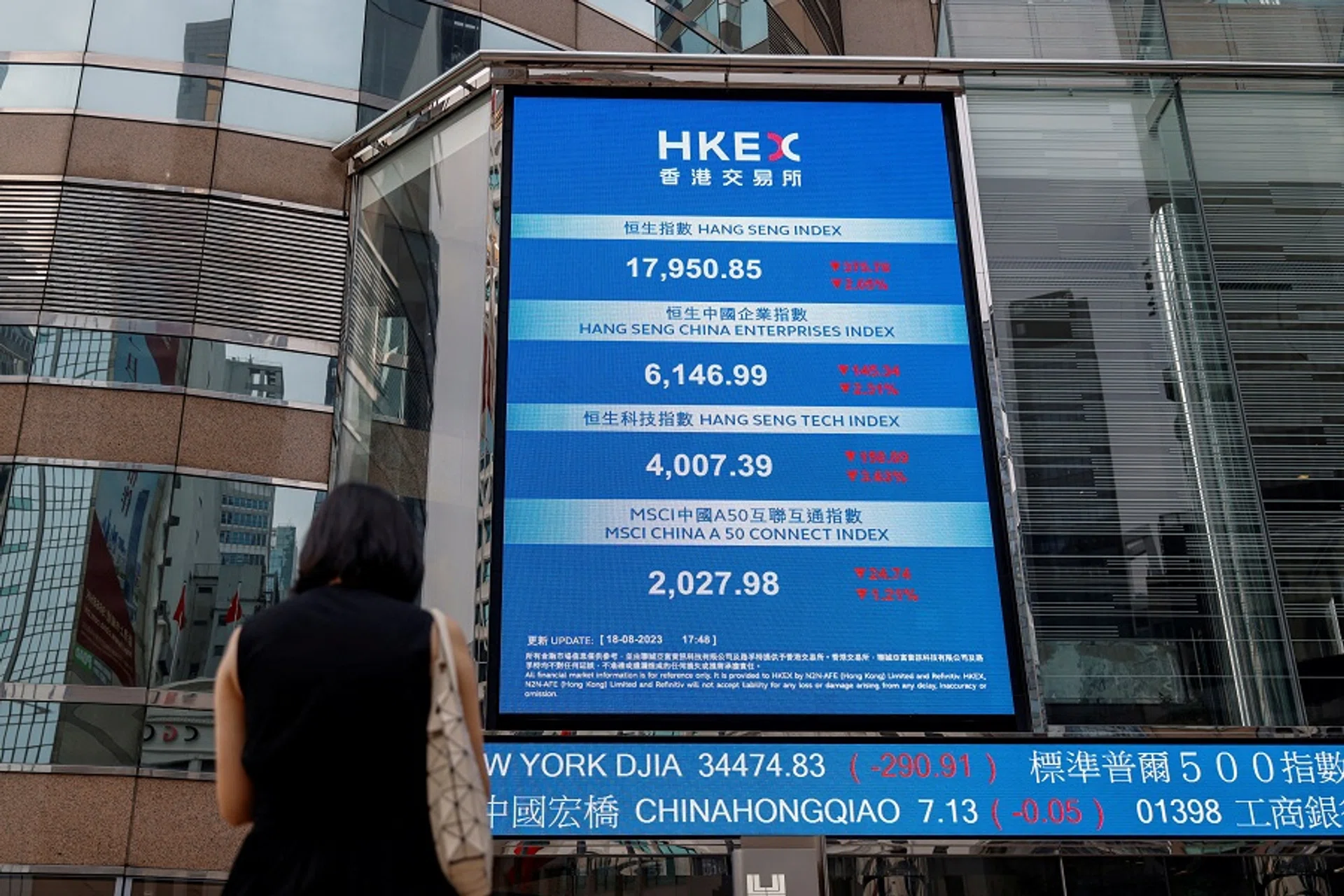
Asian markets often react first to overnight global developments, and their performance can set the tone for European and U.S. trading sessions.
For real-time updates on global market indices and sector performance, investors frequently consult:
https://finviz.com
https://www.investing.com/indices
These platforms provide detailed analysis of international market movements and investor sentiment.
Two Competing Market Narratives

At the heart of today’s market environment is the presence of two competing narratives that are shaping investor behavior.
Narrative One: De-escalation and Market Recovery
The first narrative suggests that the geopolitical crisis may begin to stabilize. If tensions ease and diplomatic progress continues, oil prices could gradually settle lower.
Lower energy costs would reduce inflation pressure, improve corporate margin outlooks, and provide relief for industries sensitive to fuel prices.
In that scenario, equity markets could recover further from their recent oversold conditions. Many traders believe that part of the recent rebound reflects technical buying, where investors step in after sharp declines to take advantage of lower valuations.
Technical analysis tools used to monitor these conditions are available through platforms such as:
https://finviz.com/forex_charts.ashx
https://www.investing.com/charts
These charting tools allow traders to evaluate support levels, resistance zones, and momentum signals that can indicate whether a recovery has strength behind it.
Narrative Two: Renewed Oil Supply Risk
The second narrative, however, remains a powerful source of caution.
Even though oil prices have retreated slightly, geopolitical tensions in the Middle East are still unresolved. Any renewed threat to oil supply routes could quickly reverse the recent market optimism.
One particular concern is the Strait of Hormuz, a narrow shipping corridor through which a significant portion of the world’s oil exports travel.
If shipping routes in the region were disrupted, global oil markets could experience another surge in prices.
Energy analysts often monitor supply risks and shipping data through sources such as:
https://www.eia.gov
https://www.reuters.com/markets/commodities
These platforms provide critical insights into oil production levels, global demand trends, and geopolitical developments affecting energy markets.
Iran’s Oil Blockade Statement Keeps Risk Alive


4
Another reason investors remain cautious is Iran’s recent statement indicating that its oil blockade measures will continue until attacks against the country end.
This declaration keeps the possibility of supply disruption alive, even as diplomatic efforts attempt to reduce tensions.
For financial markets, this creates an environment where traders must constantly reassess the probability of a new oil shock.
If the blockade continues or expands, energy markets could quickly react with another price surge. That, in turn, would increase inflation concerns and potentially trigger another wave of selling in equity markets.
The fact that oil prices remain volatile means that stocks are still closely tied to energy market developments.
Why the Current Rebound Is Fragile

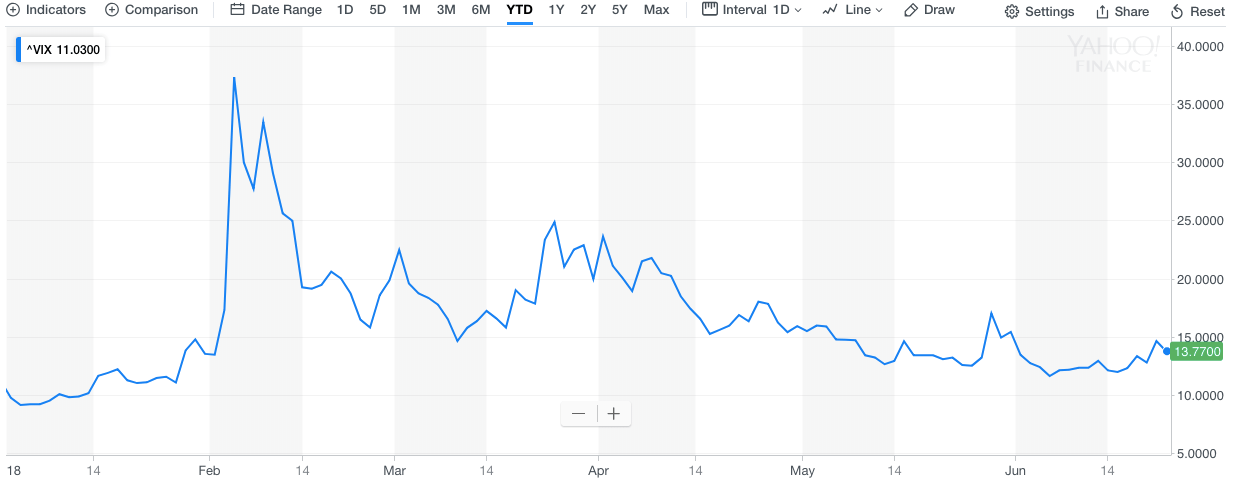
Although the stock market rebound is genuine, it remains fragile because investors are not yet convinced that geopolitical risks have fully subsided.
Markets are currently reacting to short-term developments rather than long-term economic fundamentals. In such environments, price movements can reverse quickly.
Several factors explain why traders remain cautious:
1. Oil Price Uncertainty
Even a small disruption in global energy supply could push crude prices sharply higher again.
2. Inflation Concerns
Higher oil prices feed directly into transportation and manufacturing costs, potentially reigniting inflation.
3. Central Bank Policy
If inflation rises again, central banks may delay interest-rate cuts or maintain tighter monetary policy.
4. Headline-Driven Trading
Geopolitical headlines can rapidly change investor sentiment, causing sudden market swings.
Because of these risks, many institutional investors are maintaining defensive positioning, balancing equity exposure with safer assets such as gold or government bonds.
The Key Question Investors Are Asking
Ultimately, the most important question for financial markets this week is not simply whether oil prices fell today.
Instead, investors are asking a deeper question:
Can oil prices remain stable for the rest of the week?
If crude continues trending lower, the relief rally in equities could evolve into a more sustained recovery.
But if geopolitical tensions escalate again or supply disruptions intensify, oil could quickly surge — and the stock market rebound could fade just as fast.
For this reason, traders are watching energy markets, diplomatic developments, and shipping activity in the Middle East with extreme attention.
Market Outlook
At the moment, the global stock market is balancing cautious optimism with persistent uncertainty.
The recent rebound demonstrates that investors are willing to return to equities when energy pressures ease. However, the fragility of this recovery means markets could remain volatile throughout the week.
If geopolitical risks decline and oil prices stabilize, global equities may gradually rebuild momentum.
But if tensions escalate again, markets could quickly shift back into risk-off mode.
For traders and investors, the lesson from today’s market action is clear: the stock rebound is real, but its sustainability depends heavily on the direction of energy markets and geopolitical developments in the coming days.
So the stock rebound is real, but it is fragile. Traders are not just asking whether oil is down today. They are asking whether oil can stay down for the rest of the week.
Gold Price Today (March 10, 2026)
Gold is still one of the clearest barometers of market anxiety. According to Investing.com, spot gold rose 0.9% to $5,180.95/oz, while gold futures rose 1.7% to $5,190.86/oz in Asian trade. The metal remains inside a broad $5,000 to $5,200 range that has defined recent trading.
That price action tells an important story. Gold is not exploding higher in a straight line, but it is refusing to give back its safe-haven bid. Traders still want protection because the geopolitical situation is unresolved, even if the market is temporarily more optimistic. At the same time, gold’s upside is being capped by a competing concern: if the conflict pushes energy costs higher again, central banks may be forced into a more hawkish stance, which can limit bullion’s rally.
In other words, gold is being supported by fear, but restrained by inflation logic. That is why it is holding strong rather than breaking decisively into another runaway move. Reuters-linked market coverage on Investing also shows gold futures around 5,177.75, up 1.45%, alongside a softer dollar index and weaker crude, reinforcing the idea that bullion is benefiting from a mix of haven demand and cross-asset repricing.
Why gold could move up today
Gold may rise further if:
- investors lose confidence in the de-escalation narrative,
- oil volatility returns,
- equity-market stress deepens again,
- traders continue rotating into defensive assets.
Why gold could pull back
Gold may soften if:
- Middle East headlines improve further,
- crude continues falling,
- risk appetite strengthens,
- traders take profit near the top of the recent range.
Oil Price Today: Why Crude Is Down After Huge Volatility
Oil is the center of the entire market story. Investing.com reported that oil prices fell sharply on Tuesday after a violent Monday session in which crude surged toward $120/barrel before tumbling back below $90/barrel. By the latest quoted levels in the gold-market snapshot, WTI crude futures were at 88.70, down 6.40%, while Brent futures were at 93.41, down 5.61%.
The immediate reason oil is down is that traders reacted to Trump’s comments suggesting the Iran conflict could end soon and to signals that the U.S. may pursue steps to offset supply disruption. That reduces the urgency of the most extreme shortage scenario.
But crude is not down because the risk is gone. It is down because the market is repricing the probability of the worst-case outcome. Iran’s insistence that the oil blockade will continue until attacks end means supply fears are still alive. That is why oil remains one of the most dangerous markets today: it can fall sharply on de-escalation headlines and then rebound just as fast on any threat to regional flows.
Why oil could rise again
Oil could bounce if:
- Iran hardens its blockade stance,
- attacks intensify,
- shipping routes are threatened again,
- traders fear a longer supply shock.
Why oil could keep falling
Oil could slide further if:
- diplomatic rhetoric improves,
- emergency supply measures gain credibility,
- traders conclude Monday’s spike was excessive,
- macro growth concerns outweigh supply panic.
Forex News Today: What Is Moving Currency Prices? (March 10, 2026)

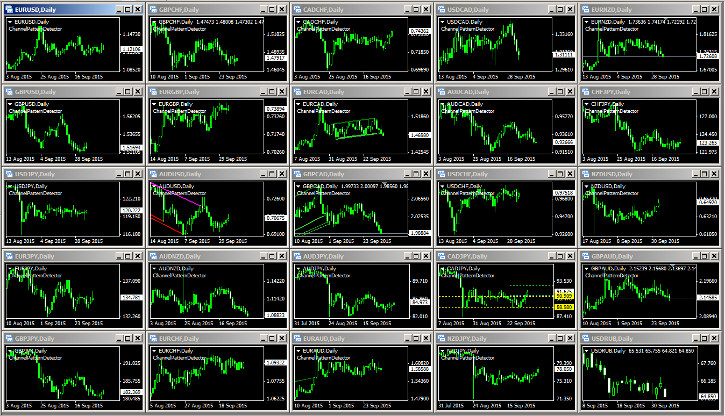

Global foreign exchange markets today are reflecting a complex mix of geopolitical caution, commodity price volatility, and macroeconomic data releases. While equity markets have stabilized somewhat after recent turmoil, currency markets remain sensitive to shifts in energy prices, global growth expectations, and central bank policy signals.
The latest forex performance data suggests that currency movements are mixed rather than dominated by a single trend. According to forex heatmap data from
https://finviz.com/forex_performance.ashx
the following currency pairs are showing moderate changes today:
- AUD/USD: +0.54%
- GBP/USD: +0.21%
- NZD/USD: +0.22%
- EUR/USD: +0.01%
- USD/CHF: +0.34%
- USD/CAD: +0.22%
- USD/JPY: −0.06%
These figures illustrate a currency market that is not moving in a single direction, but instead reacting to multiple global forces simultaneously.
Traders monitoring real-time forex market developments often follow economic data and policy updates through platforms such as:
https://www.forexfactory.com/calendar
https://www.investing.com/analysis/forex
https://finviz.com/news.ashx
These sources provide key insights into economic releases, central bank speeches, and geopolitical developments that influence currency valuations.
Commodity Currencies Gain Support


4
One of the clearest trends in today’s forex session is the relative strength of commodity-linked currencies, particularly the Australian dollar and New Zealand dollar.
The Australian dollar (AUD) is up approximately 0.54% against the U.S. dollar, making it one of the strongest performers of the session. This move reflects a shift in investor sentiment after oil prices retreated from earlier highs.
Commodity currencies tend to perform well when global risk sentiment improves and when investors believe that economic growth will remain stable. Because Australia and New Zealand export significant amounts of raw materials, their currencies are often closely linked to global demand for commodities.
The recent easing of energy market panic has helped stabilize broader risk appetite, allowing traders to re-enter positions in higher-yielding currencies.
Currency traders frequently monitor commodity-linked currency movements through platforms such as:
https://www.investing.com/currencies
https://finviz.com/forex_charts.ashx
These charting tools help traders evaluate momentum trends and technical support levels across major currency pairs.
Sterling Strength and Dollar Safe-Haven Flows

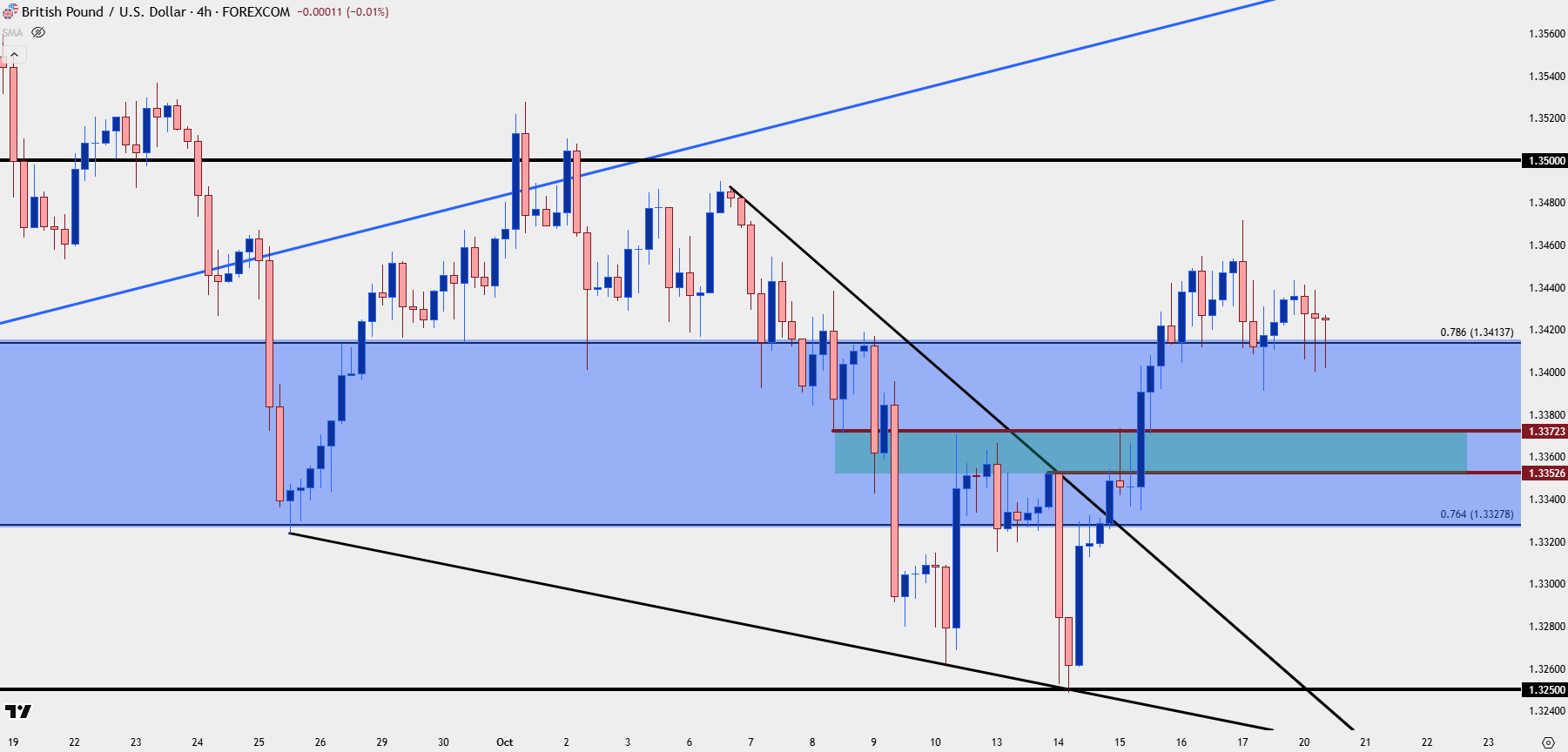
The British pound (GBP) is also showing moderate strength against the U.S. dollar, rising around 0.21% during the session.
This movement partly reflects a softening of safe-haven demand for the U.S. dollar as geopolitical fears eased slightly following signs that tensions in the Middle East may not escalate further.
When markets are dominated by uncertainty, investors often shift capital into the U.S. dollar because of its status as the world’s primary reserve currency. But when immediate risks fade, traders sometimes rotate away from the dollar toward other major currencies.
That dynamic appears to be contributing to sterling’s gains today.
However, the move remains relatively modest because traders are still cautious. Any new geopolitical developments could quickly restore demand for the dollar as a defensive asset.
Market participants tracking currency fundamentals frequently consult analysis from sources such as:
https://www.reuters.com/markets/currencies
https://www.investing.com/analysis/forex
These platforms provide commentary on central bank policy, geopolitical developments, and capital flows that shape currency movements.
USD/JPY Reflects Mixed Risk Signals


The USD/JPY pair is showing only modest movement today, slipping slightly by about 0.06%.
This relatively muted reaction highlights the complex forces currently affecting the yen.
The Japanese yen traditionally acts as a safe-haven currency, meaning it tends to strengthen during periods of market stress. But recent shifts in U.S. Treasury yields and expectations for global interest rates have complicated the relationship between risk sentiment and yen performance.
In today’s market environment, two competing forces are influencing USD/JPY:
Geopolitical Uncertainty
If tensions escalate, investors may move into the yen as a defensive currency.
Interest Rate Expectations
Higher U.S. yields can strengthen the dollar relative to the yen, offsetting safe-haven flows.
Because of this combination, USD/JPY often becomes a barometer of both risk sentiment and yield differentials, making it one of the most closely watched currency pairs in global markets.
USD/CAD and Oil Market Sensitivity
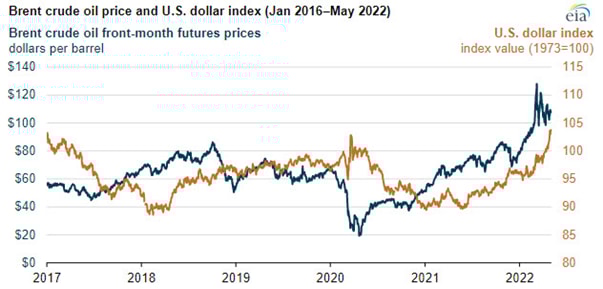
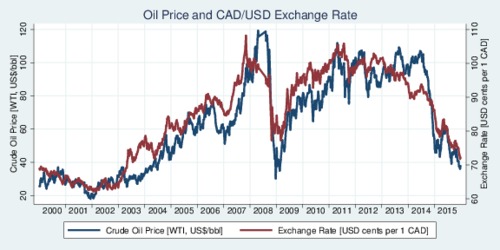

Another currency pair attracting significant attention today is USD/CAD, which is trading higher by roughly 0.22%.
The Canadian dollar is heavily influenced by oil prices because Canada is one of the world’s major crude exporters. As a result, fluctuations in energy markets often translate directly into movements in the Canadian currency.
When oil prices rise sharply, the Canadian dollar typically strengthens because higher energy exports improve Canada’s trade balance. Conversely, falling oil prices can weaken the currency.
In the current environment, the rebound in USD/CAD suggests that traders remain cautious, even though crude oil has retreated slightly from its earlier highs.
The market appears to be interpreting recent oil volatility as a potential sign of broader economic uncertainty rather than a clear positive for commodity exporters.
For deeper analysis of oil-related currency movements, traders frequently consult energy market updates from:
https://www.eia.gov
https://www.reuters.com/markets/commodities
Key Economic Data Driving Forex Markets
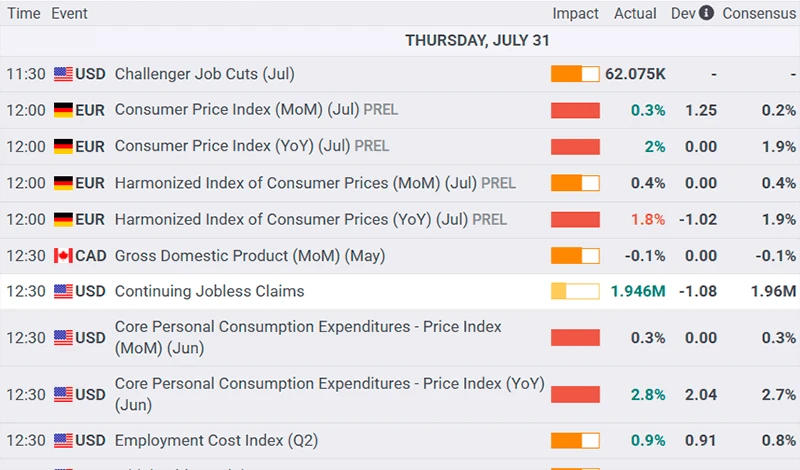
Beyond geopolitics and commodity markets, macroeconomic data releases are also shaping today’s forex trading environment.
According to the economic calendar at
https://www.forexfactory.com/calendar
several important data points are influencing market sentiment.
China Economic Data
- China CPI (Year-over-Year): 1.3% vs 0.9% forecast
- China PPI (Year-over-Year): −0.9% vs −1.1% forecast
These figures suggest that inflation pressures in China may be stabilizing. Stronger-than-expected consumer price data can indicate improving domestic demand, which may support commodity-exporting economies and their currencies.
Because China plays such a central role in global trade, even modest shifts in its inflation data can influence currency markets worldwide.
European Economic Data
- German Factory Orders (Month-over-Month): −11.1% vs −4.2% forecast
- German Industrial Production (Month-over-Month): −0.5% vs 1.0% forecast
These disappointing numbers reinforce concerns about the health of Europe’s manufacturing sector, which has been struggling with weak global demand and high energy costs.
Weak industrial data from Germany — the largest economy in the Eurozone — can place downward pressure on the euro and affect investor sentiment toward European assets.
Sentix Investor Confidence
- Sentix Investor Confidence: −3.1 vs −3.1 forecast
Although the figure matched expectations, the negative reading highlights the cautious mood among European investors.
Sentiment indicators such as the Sentix survey often provide early clues about business confidence and economic outlook.
Political Developments Also in Focus
Another key event on today’s economic calendar is a scheduled speech by President Donald Trump later in the session.
Political statements can have a significant impact on currency markets, particularly if they relate to trade policy, geopolitical tensions, or economic strategy.
Traders will be listening closely for any comments regarding:
- Middle East geopolitical developments
- Energy market policy
- Trade relations with major economies
- U.S. economic outlook
Such remarks can trigger rapid movements in currency markets if they alter expectations for global growth or international trade.
Why Forex Markets Are Particularly Complex Today
The current forex environment is challenging because multiple forces are interacting simultaneously.
Several factors are shaping currency movements:
Geopolitical Risk
Tensions in the Middle East are influencing safe-haven demand and energy prices.
Commodity Market Volatility
Oil price fluctuations are affecting currencies tied to energy exports.
Macroeconomic Data
Inflation reports and industrial production data are shaping expectations for global growth.
Interest Rate Expectations
Central bank policy outlooks continue to influence capital flows across currencies.
Because these factors sometimes point in different directions, forex markets can experience uneven trading sessions where no single currency dominates the trend.
Forex Market Outlook
Looking ahead, currency traders will continue monitoring several critical developments:
- Oil price movements and energy supply risks
- Geopolitical developments in the Middle East
- Upcoming economic data releases from major economies
- Central bank policy signals regarding interest rates
If oil prices remain stable and geopolitical tensions ease further, risk-sensitive currencies such as the Australian dollar and New Zealand dollar could extend their gains.
However, if tensions escalate again or global economic data deteriorates, safe-haven currencies like the U.S. dollar and Japanese yen could regain strength.
For now, the forex market is sending a clear signal: currency prices are being driven by a complex mix of geopolitical risk, commodity volatility, and uneven global economic data — making today’s trading session anything but straightforward.
Commodities Outlook: More Than Just Gold and Oil
The broader commodity complex is also showing that today is a risk-repricing day, not only an oil story. In the same market snapshot, silver was up nearly 6%, platinum rose 0.7%, and LME copper futures rose 1.3%. That mix suggests traders are not fleeing commodities altogether; instead, they are rotating across metals depending on whether they are seeking safety, inflation hedges, or growth exposure.
Silver’s strength is particularly notable because it often behaves as both a precious metal and a higher-beta macro trade. When silver rises alongside gold, it can indicate that the market sees room for both defensive positioning and speculative follow-through. Copper’s rise hints that despite recession fears, traders are not completely abandoning the global-growth trade.
What Could Drive Markets for the Rest of Today?
The rest of the trading day will likely be driven by four things.
First, headlines from the Middle East.
This is still the main engine. Every update on Iran, shipping, retaliation, and diplomatic tone can move stocks, gold, oil, and currencies at once.
Second, President Trump’s remarks.
Forex Factory lists a Trump speaking event later in the session, and traders will watch closely for any language on the conflict, oil, sanctions, shipping protection, or broader U.S. policy.
Third, whether crude stays below panic levels.
If oil remains well off Monday’s highs, stocks could extend their rebound. If crude turns back up aggressively, the equity recovery could fade fast.
Fourth, rotation between risk and defense.
If investors keep buying tech and broad-market ETFs while gold stays firm, that would signal a hedged risk-on mood. If stocks roll over and gold accelerates, then the market is reverting to a more defensive posture.
Quick Market Take
Today’s market is being driven by one central question: Is the geopolitical oil shock fading, or only pausing? Stocks are higher because traders see temporary relief. Gold is elevated because uncertainty remains. Oil is lower because the market is pulling back from its most extreme fear trade. Currencies are mixed because macro data and geopolitics are colliding at the same time.
That makes March 10, 2026 a classic cross-asset headline day. If the tone improves, equities may build on their rebound. If the conflict worsens again, gold and oil could quickly reclaim control of the entire market narrative.
Commodities Outlook: More Than Just Gold and Oil (March 10, 2026)


Global commodity markets today are sending a broader message than just the movement of gold and oil. While those two assets often dominate financial headlines during geopolitical crises, the wider commodity complex shows that traders are adjusting positions across multiple metals and resources as they reassess risk.
In the latest market snapshot, silver surged nearly 6%, platinum rose around 0.7%, and London Metal Exchange (LME) copper futures climbed about 1.3%. This combination suggests that investors are not abandoning commodities altogether. Instead, they are rotating capital across different segments of the market depending on their expectations for inflation, economic growth, and geopolitical stability.
Commodity traders and investors often monitor market-wide performance through financial platforms such as:
https://finviz.com
https://www.investing.com/commodities
https://www.reuters.com/markets/commodities
These resources provide real-time updates on commodity prices, macroeconomic developments, and geopolitical risks influencing global markets.
The current price movements across metals indicate that today’s market environment is not simply about fear or risk aversion. Rather, it reflects a re-pricing of global risk across different asset classes.
Silver’s Surge Signals Dual Market Forces

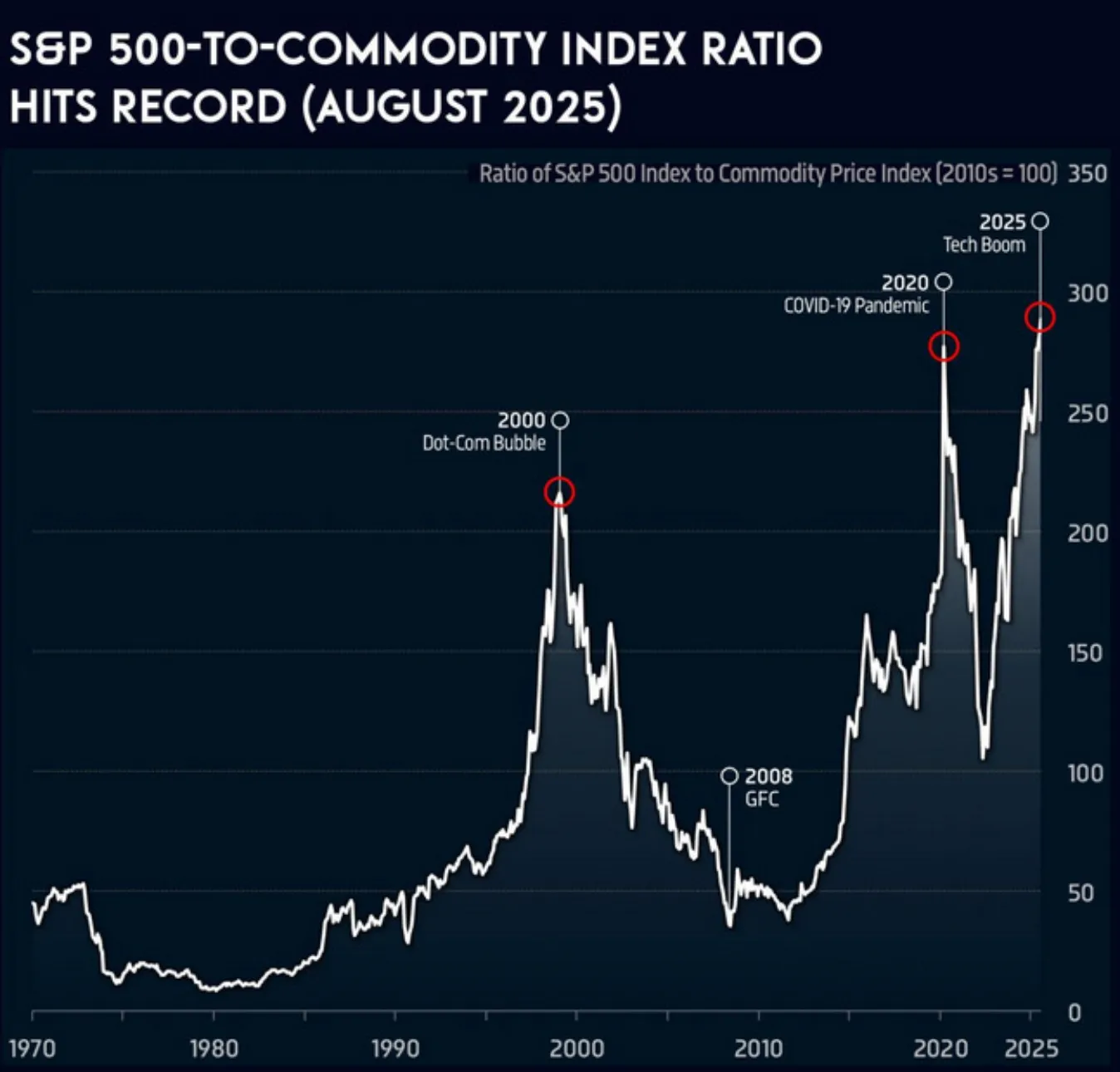

One of the most notable developments in today’s commodity session is the sharp rise in silver prices, which climbed nearly 6%.
Silver occupies a unique position in financial markets because it behaves both as a precious metal and an industrial commodity. This dual role means that silver often reacts to multiple economic forces simultaneously.
When investors seek protection against financial instability, silver tends to benefit alongside gold because both metals are viewed as stores of value during uncertain times.
However, silver also plays an important role in several industries, including electronics, solar panel manufacturing, and advanced technologies. Because of these industrial uses, silver prices can also rise when traders believe global manufacturing activity will remain resilient.
The current rally suggests that investors may be positioning for both defensive hedging and speculative upside. In other words, traders appear to be balancing caution about geopolitical risks with optimism about potential economic recovery.
Real-time silver price analysis and technical charts can be found at:
https://www.investing.com/commodities/silver
https://finviz.com/futures_charts.ashx
Platinum’s Modest Rise Reflects Industrial Demand


4
While silver captured the spotlight, platinum also posted gains, rising roughly 0.7% during the session.
Platinum’s price movements often reflect expectations about industrial production and automotive demand, because the metal is widely used in catalytic converters and other manufacturing processes.
In periods when investors expect economic growth to remain stable, platinum can outperform other precious metals due to its stronger industrial applications.
The current increase in platinum prices suggests that traders are not entirely abandoning the global growth narrative, even as geopolitical tensions create uncertainty.
Industrial metals frequently respond to shifts in manufacturing activity and global trade flows. Analysts monitoring platinum markets often rely on data from commodity exchanges and financial analytics platforms such as:
https://www.reuters.com/markets/commodities
https://www.investing.com/commodities/platinum
Copper Signals Continued Interest in Global Growth


Another important signal from today’s commodity markets comes from copper, which rose approximately 1.3% in LME futures trading.
Copper is often referred to as “Dr. Copper” by financial analysts because its price movements are closely linked to global economic activity. Since copper is used extensively in construction, electrical infrastructure, and manufacturing, rising prices can indicate confidence in economic growth.
The fact that copper prices are moving higher despite ongoing recession fears suggests that traders are not completely abandoning the global growth outlook.
Instead, the current market environment reflects a balance between caution and optimism. Investors are hedging against geopolitical risk while still maintaining exposure to assets that could benefit if economic activity stabilizes.
Commodity market participants frequently analyze copper price trends through sources such as:
https://www.investing.com/commodities/copper
https://www.lme.com
These platforms provide insights into supply dynamics, mining production levels, and industrial demand trends that influence copper prices.
What Could Drive Markets for the Rest of Today?

As the trading day continues, financial markets are likely to be influenced by several key developments. Traders across stocks, commodities, and currencies are closely monitoring the following four factors.
1. Headlines from the Middle East
The geopolitical situation in the Middle East remains the single most important driver of market sentiment.
Any updates related to:
- Iran’s military posture
- Oil shipping routes
- Diplomatic negotiations
- Possible retaliation between regional powers
could trigger immediate reactions across global markets.
Because energy exports from the region play such a critical role in the global economy, even small developments can move oil prices — and by extension, equities, currencies, and precious metals.
Investors tracking geopolitical risk often follow international news coverage from sources such as:
https://www.reuters.com/world
https://www.bloomberg.com
2. President Trump’s Remarks
Another key event on today’s economic calendar is a scheduled speech by President Donald Trump.

According to the economic calendar available at:
the President is expected to speak later in the trading session.
Markets will be watching closely for any comments related to:
- The Middle East conflict
- Oil market stability
- Possible sanctions or policy changes
- Protection of global shipping routes
Political statements from major policymakers can quickly influence market expectations for energy prices, global trade, and economic policy.
3. Whether Crude Oil Stays Below Panic Levels
Oil remains one of the most influential variables for global financial markets today.
Earlier in the week, crude prices surged amid fears that geopolitical tensions could disrupt energy supplies. That spike triggered selling pressure in equities and increased demand for safe-haven assets like gold.
Now that oil has retreated from those extreme levels, markets are attempting to stabilize.
However, traders are watching closely to see whether crude remains below panic levels. If oil prices stay relatively stable or continue declining, equities could extend their rebound.
But if crude suddenly surges again, markets could quickly revert to a risk-off environment.
Energy market data and analysis can be tracked through:
https://www.eia.gov
https://www.investing.com/commodities/crude-oil
4. Rotation Between Risk and Defensive Assets
Another important dynamic today is the rotation between risk assets and defensive investments.
Investors are evaluating whether the market environment favors:
- Growth-oriented assets such as technology stocks and ETFs
- Defensive assets such as gold and government bonds
If equities continue rising while gold prices remain stable, the market may be entering a “hedged risk-on” phase, where investors maintain exposure to both growth and safety.
However, if stock markets reverse and gold accelerates upward, it would indicate that traders are returning to a defensive posture.
Understanding these capital flows can provide valuable clues about investor sentiment and future market direction.
Quick Market Take
4
Today’s financial markets are ultimately being driven by one central question:
Is the geopolitical oil shock fading — or simply pausing?
Stocks are rising because traders see signs of temporary relief from the most extreme energy market fears. Gold remains elevated because geopolitical uncertainty has not fully disappeared. Oil prices are lower because markets are stepping back from the panic levels seen earlier in the week.
Meanwhile, currency markets remain mixed because macroeconomic data releases and geopolitical developments are influencing investor expectations simultaneously.
This makes March 10, 2026 a classic cross-asset trading day, where multiple markets — equities, commodities, and currencies — are responding to the same geopolitical narrative.
If tensions continue to ease, equity markets may build momentum and extend their rebound. But if the conflict escalates again, gold and oil could quickly regain control of the market narrative, pulling investor capital back toward defensive assets.
For now, traders across the world remain focused on headlines, energy markets, and macroeconomic signals — all of which will determine whether today’s stabilization evolves into a sustained recovery or another wave of volatility.
Oil Shock Fears Rock Global Markets as Trump-Iran Crisis Escalates — Stocks, Gold and Forex React