

Trump News Analysis: Export Access, Dollar Liquidity & Commodity Shockwaves Explained
In our Trump News Analysis today, When major economies impose or expand tariffs, the effects rarely remain confined to the countries directly involved. Emerging and developing economies — often referred to as third-world economies in traditional geopolitical language — can feel significant indirect consequences. Many of these nations are deeply integrated into global trade networks, rely on export access to the United States and China, depend on stable dollar liquidity, and are heavily exposed to commodity cycles.
If global tariffs rise or trade tensions intensify, the pressure on Southeast Asia, Africa, and Latin America could materialize through multiple economic channels.
📦 1️⃣ Export Access to the United States — A Critical Lifeline
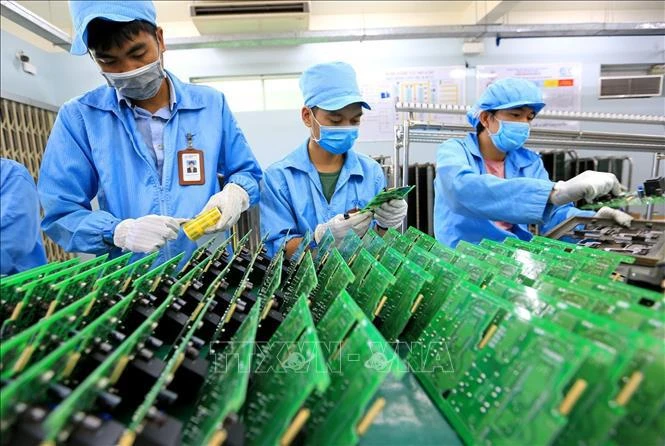
Many emerging economies rely heavily on exporting manufactured goods, textiles, electronics, agricultural products, or raw materials to the United States. When U.S. tariffs rise broadly or supply chains shift abruptly, export volumes can decline.
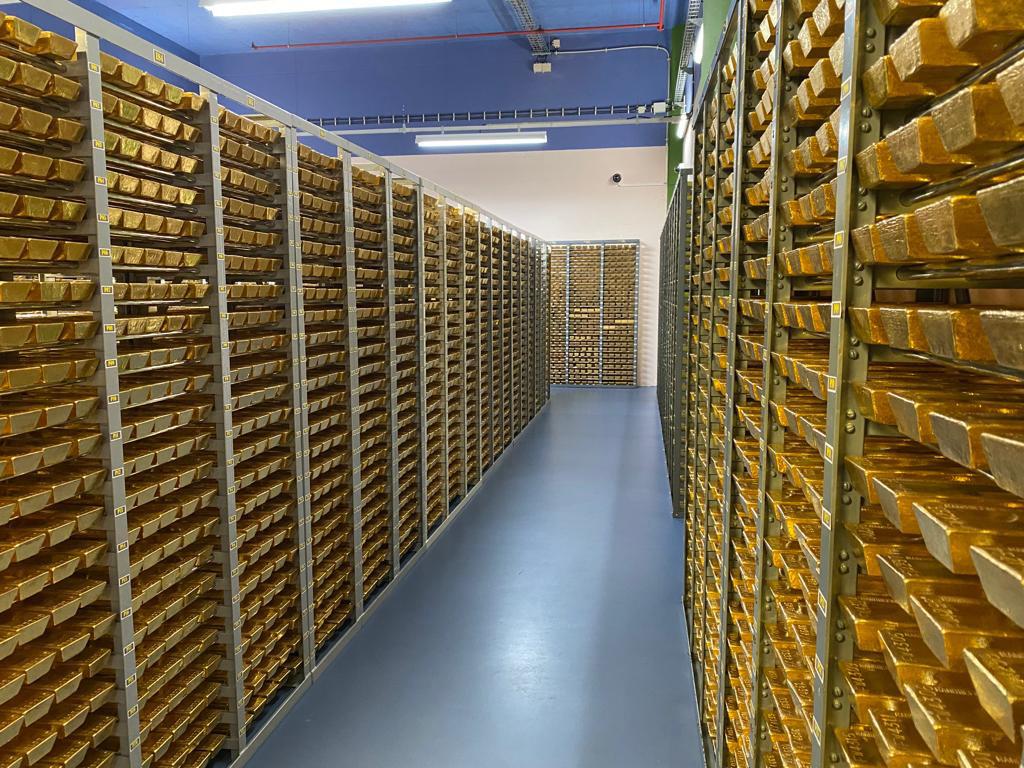
For example:
- Vietnam and Bangladesh depend on apparel exports.
- Mexico’s economy is tightly integrated with U.S. automotive supply chains.
- Brazil and Argentina export agricultural commodities.
🔗 U.S. Trade Data (U.S. Census Bureau):
https://www.census.gov/foreign-trade/index.html
🔗 World Trade Organization (WTO):
https://www.wto.org
If tariffs are imposed on goods produced in these regions — or if global demand slows due to trade disputes — export revenues may fall. That directly affects GDP growth, employment, and government revenue.
Export-driven economies may experience:
- Slower industrial production
- Rising unemployment
- Reduced foreign exchange inflows
In developing nations, where export earnings often represent a substantial share of GDP, even small percentage changes can create disproportionate economic stress.
💵 2️⃣ Dollar Liquidity — The Hidden Risk
4
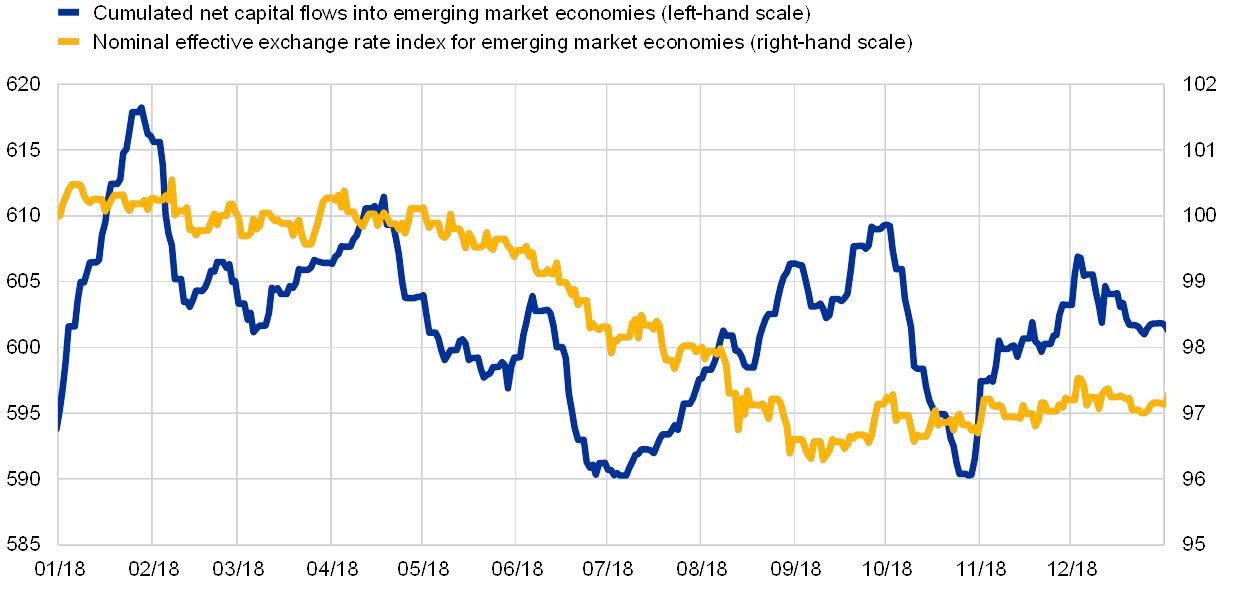
Emerging markets often borrow in U.S. dollars. Governments and corporations issue dollar-denominated debt because global investors demand dollar-based securities. When trade tensions rise, investors frequently seek safety in U.S. assets, strengthening the dollar.
🔗 U.S. Dollar Index (DXY):
https://www.cnbc.com/quotes/.DXY
🔗 International Monetary Fund (IMF) Data Portal:
https://www.imf.org/en/Data
A stronger dollar creates several pressures:
- Dollar-denominated debt becomes more expensive to service.
- Local currencies weaken.
- Foreign investors may withdraw capital.
If tariffs trigger global risk aversion, emerging markets could face tighter financial conditions without having changed their own policies.
This dynamic has historically contributed to currency crises in certain regions when capital outflows accelerate rapidly.
🛢 3️⃣ Commodity Demand — The Growth Multiplier


4
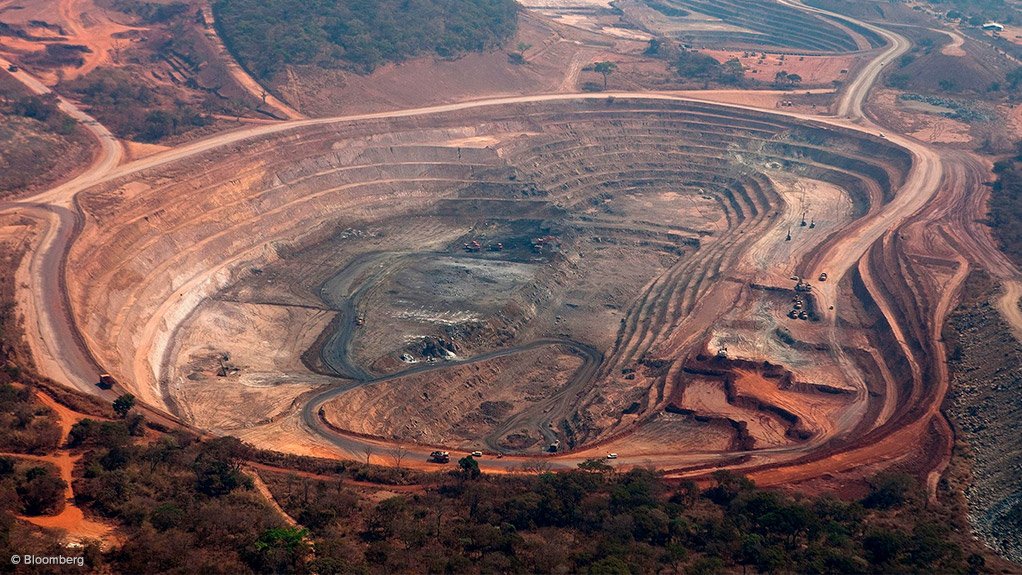
Many third-world economies depend on commodity exports. Countries such as Nigeria, Angola, and Venezuela rely heavily on oil exports. Chile depends on copper. Brazil exports iron ore and soybeans. South Africa produces gold and platinum.
If tariffs slow global manufacturing and trade activity:
- Industrial commodity demand may fall.
- Oil prices may weaken.
- Government revenues in exporting countries could decline.
🔗 Crude Oil Prices:
https://www.cnbc.com/quotes/CL.1
🔗 Copper Prices:
https://www.investing.com/commodities/copper
🔗 World Bank Commodity Markets Outlook:
https://www.worldbank.org/en/research/commodity-markets
Commodity price volatility can quickly translate into fiscal stress for developing nations with limited economic diversification.
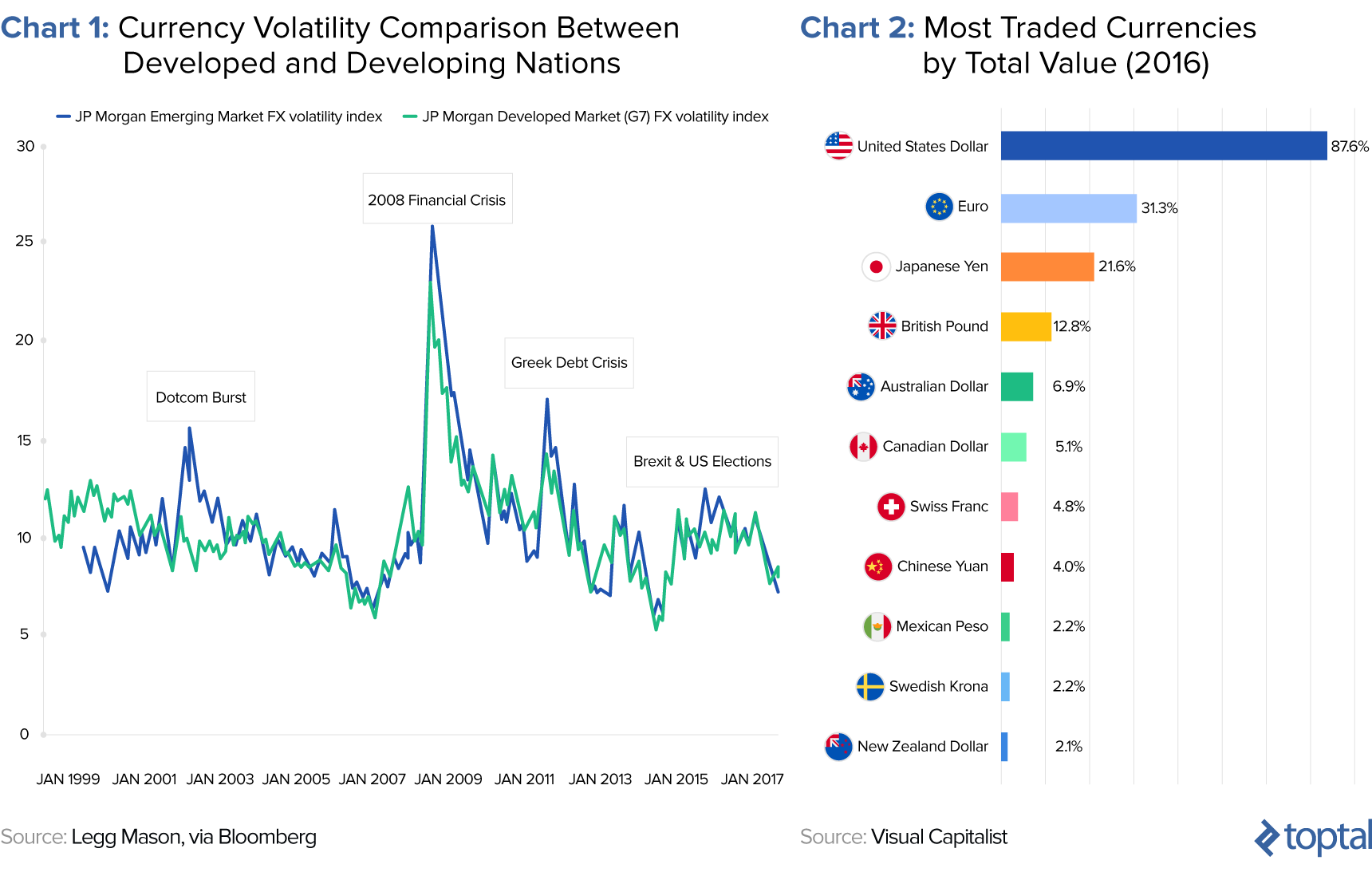
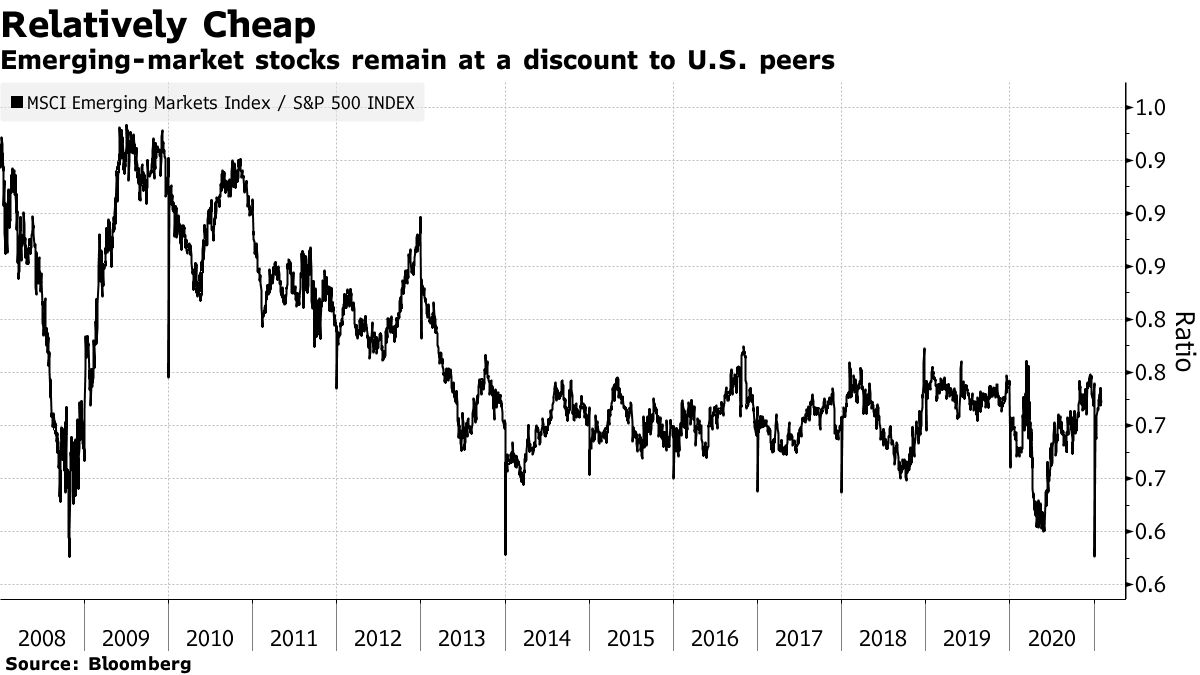
📉 Currency Volatility & Capital Flight

4
When tariffs rise globally, investors often move capital toward perceived safe havens such as:
- U.S. Treasury bonds
- The U.S. dollar
- Gold
🔗 U.S. Treasury Yields:
https://www.cnbc.com/bonds/
🔗 Gold (XAU/USD):
https://www.investing.com/currencies/xau-usd
Capital outflows from emerging markets can lead to:
- Currency depreciation
- Rising domestic interest rates
- Reduced credit availability
For countries with fragile financial systems, this combination can slow growth rapidly.
🌏 Regional Breakdown
Southeast Asia
Countries like Vietnam, Indonesia, and Malaysia are increasingly integrated into global manufacturing chains. They could benefit if supply chains relocate from China — but they could also suffer if global demand weakens overall.
🔗 ASEAN Economic Data:
https://asean.org/our-communities/economic-community/
Africa
African economies often depend on commodity exports and foreign investment. If trade tensions dampen commodity demand, fiscal revenues may decline. Countries reliant on oil exports are especially sensitive.
🔗 African Development Bank:
https://www.afdb.org
Latin America
Brazil, Mexico, Chile, and Argentina are vulnerable through trade exposure and commodity cycles. Mexico’s proximity to the U.S. creates both risk and opportunity, depending on tariff design.
🔗 Inter-American Development Bank:
https://www.iadb.org
🔄 Could Some Emerging Economies Benefit?
Interestingly, not all impacts are negative.
If companies diversify supply chains away from China, countries such as:
- Vietnam
- India
- Mexico
may attract increased foreign direct investment (FDI).
🔗 UNCTAD Investment Reports:
https://unctad.org/topic/investment
However, these benefits require stable infrastructure, political stability, and regulatory predictability.
⚖️ Broader Trade Friction & Global Growth
If tariffs escalate globally rather than remain bilateral, the cumulative impact may include:
- Slower world trade growth
- Reduced cross-border investment
- Increased geopolitical fragmentation
🔗 World Trade Organization Global Trade Outlook:
https://www.wto.org/english/res_e/statis_e/wts_e.htm
Global GDP growth could moderate if trade barriers significantly reduce economic integration.
🎯 Final Assessment
If tariffs rise globally:
Short-Term Effects
- Emerging market currency volatility increases
- Capital shifts toward safe havens
- Commodity prices fluctuate
Medium-Term Effects
- Export-driven economies slow
- Dollar liquidity tightens
- Debt servicing costs rise
Long-Term Effects
- Supply chain diversification
- Structural economic shifts
- Greater regional trade blocs
Third-world economies are often the most vulnerable to trade shocks because they depend heavily on export access, stable dollar funding, and global commodity demand.
The ultimate impact will depend on:
- The scale and duration of tariffs
- Policy responses from affected countries
- Global demand conditions
- Central bank interventions
Trade tensions are rarely isolated events — they are global transmission mechanisms.
Latest Trump News Analysis — Feb 26, 2026