
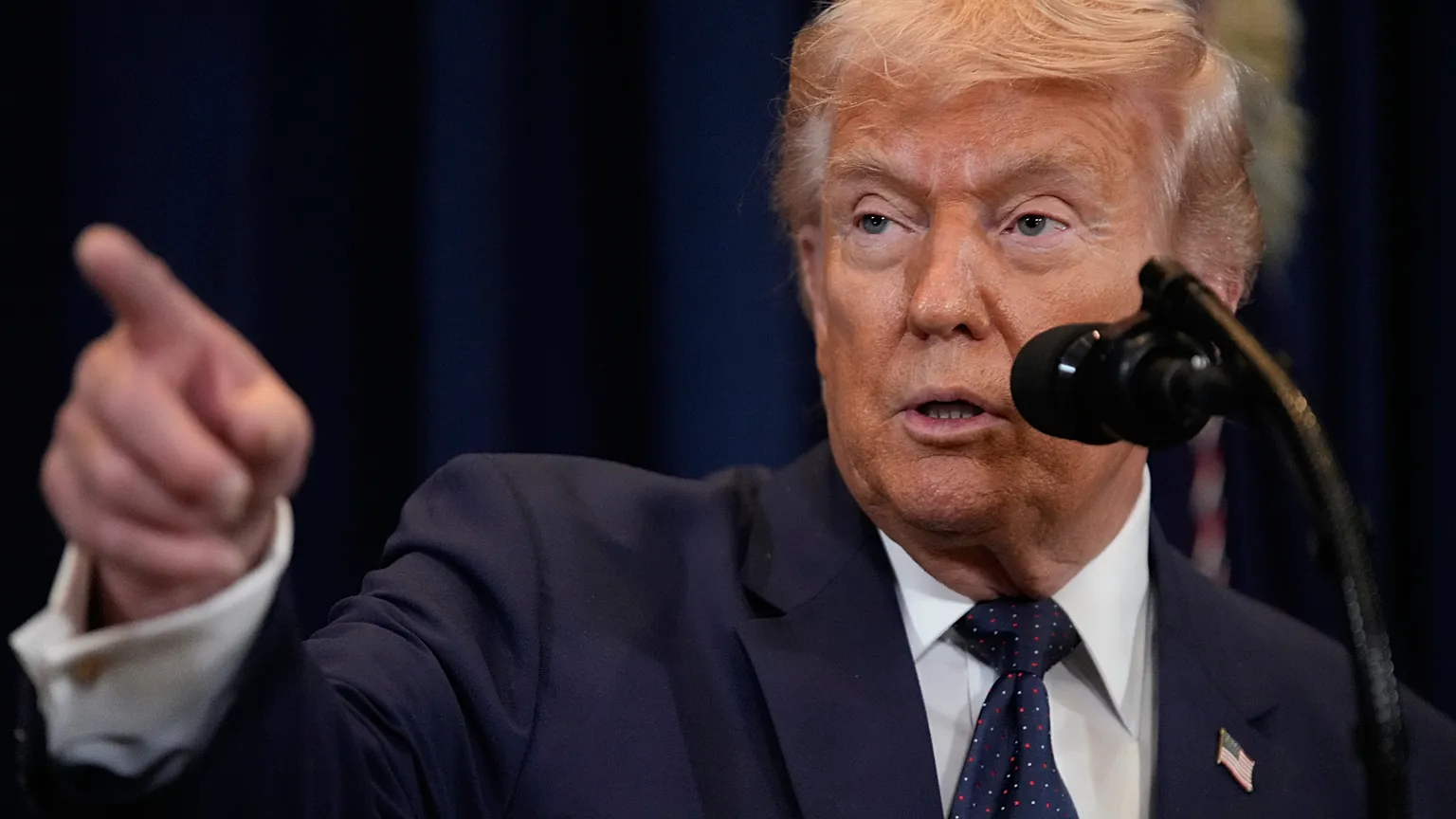
Trump News Today (March 10, 2026): How Trump’s Comments Moved the Stock Market, Bonds, Oil, Gold and Tech Prices
Trump News Today Moves Global Markets
Oil Shock Fears Rock Global Markets as Trump-Iran Crisis Escalates — Stocks, Gold and Forex React
The biggest catalyst shaping global financial markets today is Donald Trump news today, following remarks indicating that tensions between the United States and Iran could begin easing sooner than many investors previously expected. Financial markets have been highly sensitive to developments surrounding the conflict, particularly because the Middle East plays such a crucial role in global oil supply and energy security. As soon as traders interpreted Trump’s comments as a signal that diplomatic de-escalation might be possible, markets quickly reacted across several major asset classes.
The reaction was immediate and broad, affecting equities, commodities, bonds, and currency markets simultaneously. Investors had spent the previous several trading sessions preparing for the possibility that the conflict could escalate further and disrupt global oil shipments. A deeper confrontation in the region could have pushed crude prices significantly higher, which would increase inflation pressures and create additional uncertainty for the global economy. However, Trump’s suggestion that tensions may begin to stabilize changed that narrative, prompting investors to reassess the worst-case scenarios they had been pricing into financial markets.
As a result, the stock market rebounded, with investors returning to equities after several volatile sessions. Lower expectations for an immediate oil supply shock helped support risk appetite, particularly in sectors sensitive to energy prices and global economic growth. Technology stocks also regained momentum as investors moved back into large-cap companies that tend to perform well during periods of improving market sentiment.

At the same time, oil prices pulled back from earlier highs as traders began removing some of the geopolitical risk premium that had been built into energy markets. Oil prices often surge during periods of political tension in the Middle East because investors fear that shipping routes or production facilities could be disrupted. When those fears ease, crude prices can retreat just as quickly as traders unwind defensive positions.
Meanwhile, gold remained elevated, reflecting the fact that geopolitical uncertainty has not completely disappeared. Gold traditionally serves as a safe-haven asset during periods of political or economic instability, and many investors continue to hold it as protection against unexpected developments in the region.
In the bond market, yields stabilized as investors reassessed the need for defensive assets. During periods of geopolitical stress, capital often flows into government bonds because they are considered safer investments. When tensions appear to ease, some of that capital rotates back into equities and other higher-risk assets.
Overall, Trump’s comments created a cross-asset market reaction, highlighting how political developments can influence stocks, commodities, bonds, and currencies all at once. For investors tracking these developments in real time, several financial platforms provide continuous updates, economic calendars, and market analysis, including https://www.forexfactory.com/calendar, https://finviz.com/news.ashx, and https://www.investing.com/analysis. These platforms help traders monitor geopolitical headlines, macroeconomic data releases, and financial market sentiment as global events continue to shape market direction.
https://www.forexfactory.com/calendar
https://finviz.com/news.ashx
https://www.investing.com/analysis
These sites track macroeconomic data releases, geopolitical developments, and investor sentiment across global markets.
How Trump News Today Impacted the Stock Market
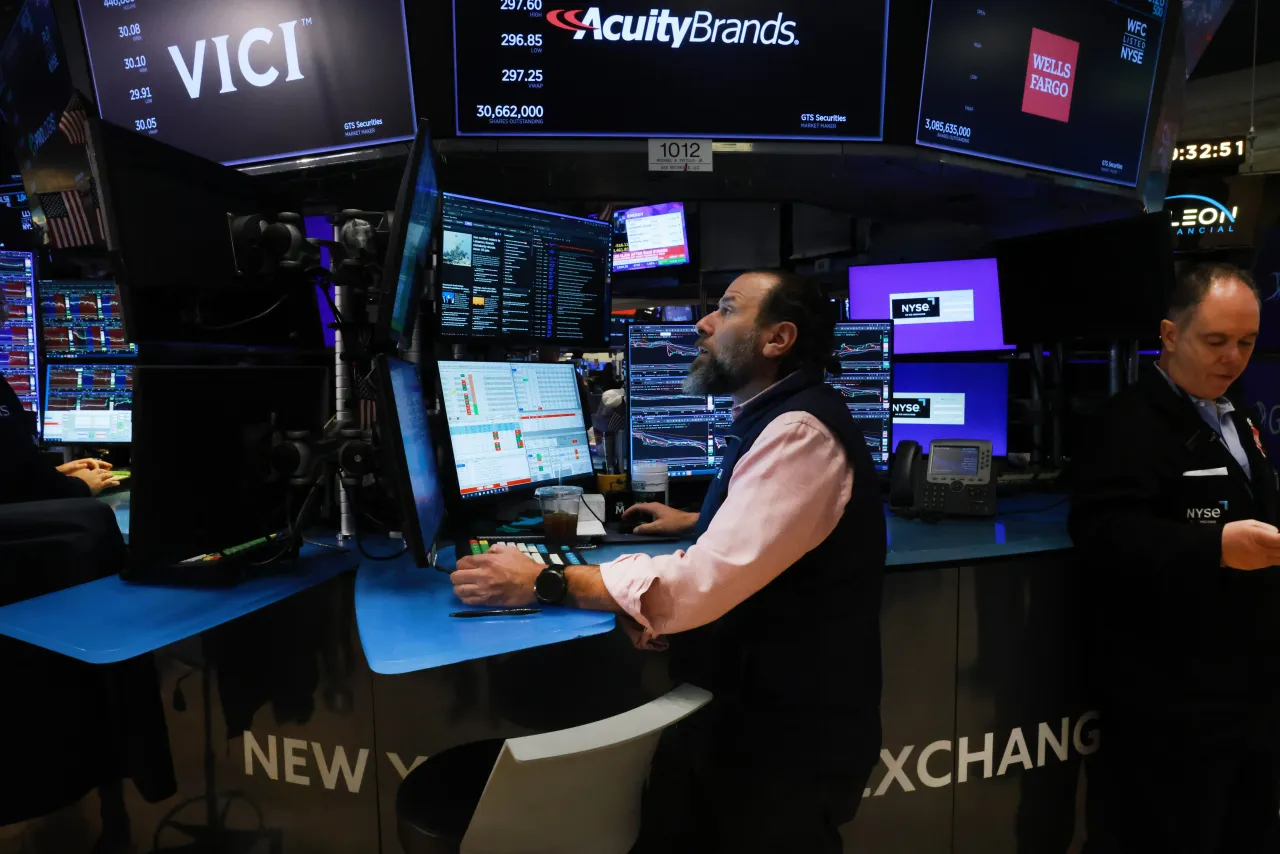

Stock Market Reaction to Trump News Today


The stock market reaction to Trump news today was swift and clearly visible across global equity markets. Earlier in the trading cycle, stocks had been under pressure as investors worried that a prolonged conflict in the Middle East could significantly disrupt global oil supply. Rising crude prices often translate into higher transportation and production costs, which can fuel inflation and squeeze corporate profit margins. Because of these risks, traders had been reducing exposure to equities while monitoring geopolitical developments closely.
However, sentiment shifted quickly after remarks from Donald Trump suggested that tensions with Iran might begin easing sooner than expected. Markets interpreted the comments as a potential signal that diplomatic efforts could prevent the conflict from escalating further. As that possibility entered the market narrative, investors began rotating capital back into equities, triggering a rebound across several sectors.
The recovery was not evenly distributed throughout the market. Instead, specific industries led the rebound as traders focused on companies most likely to benefit from stabilizing energy prices and improving investor sentiment.

One of the most visible areas of strength was in technology stocks. The tech market price recovery was particularly noticeable among large-cap companies that dominate global indices such as the Nasdaq. Investors often gravitate toward major technology firms during uncertain periods because these companies tend to have strong balance sheets, consistent cash flow, and globally diversified revenue streams. As geopolitical tensions appeared to ease, traders moved back into technology shares, helping lift the broader market.
Another sector that benefited from the shift in sentiment was consumer and retail companies. When oil prices decline, transportation and logistics costs often fall as well. This can improve the profit outlook for businesses that rely heavily on shipping goods and maintaining large distribution networks. Lower fuel costs can also benefit consumers directly by reducing transportation expenses, which may support stronger spending activity across the economy.
The transportation and airline sector also reacted quickly to the change in market expectations. Airlines are particularly sensitive to fluctuations in energy prices because jet fuel represents one of their largest operating costs. When crude oil prices retreat from elevated levels, airlines and logistics companies often see an immediate improvement in their cost outlook. As a result, investors frequently bid up shares of transportation firms when energy markets stabilize.
These sector movements illustrate how closely financial markets are tied to geopolitical developments. A single political signal suggesting possible diplomatic progress can reshape expectations for energy prices, inflation, and economic growth. In turn, those expectations influence how investors allocate capital across industries.
To better understand which sectors are driving the stock market on any given day, many investors rely on visual market analysis tools. Platforms such as and the interactive allow traders to quickly identify which industries and companies are leading market performance.
These tools provide a real-time view of sector rotation by displaying color-coded heatmaps of the entire stock market. Investors can instantly see whether technology stocks, financial companies, energy producers, or consumer firms are driving market momentum. During volatile geopolitical periods, these heatmaps become especially valuable because they highlight how investor sentiment shifts across different sectors in response to breaking news.
Overall, the stock market’s reaction to Trump’s comments demonstrates how rapidly global financial markets can adjust when political developments influence expectations for energy supply, inflation, and economic stability.
Oil Prices React to Trump’s Geopolitical Signals
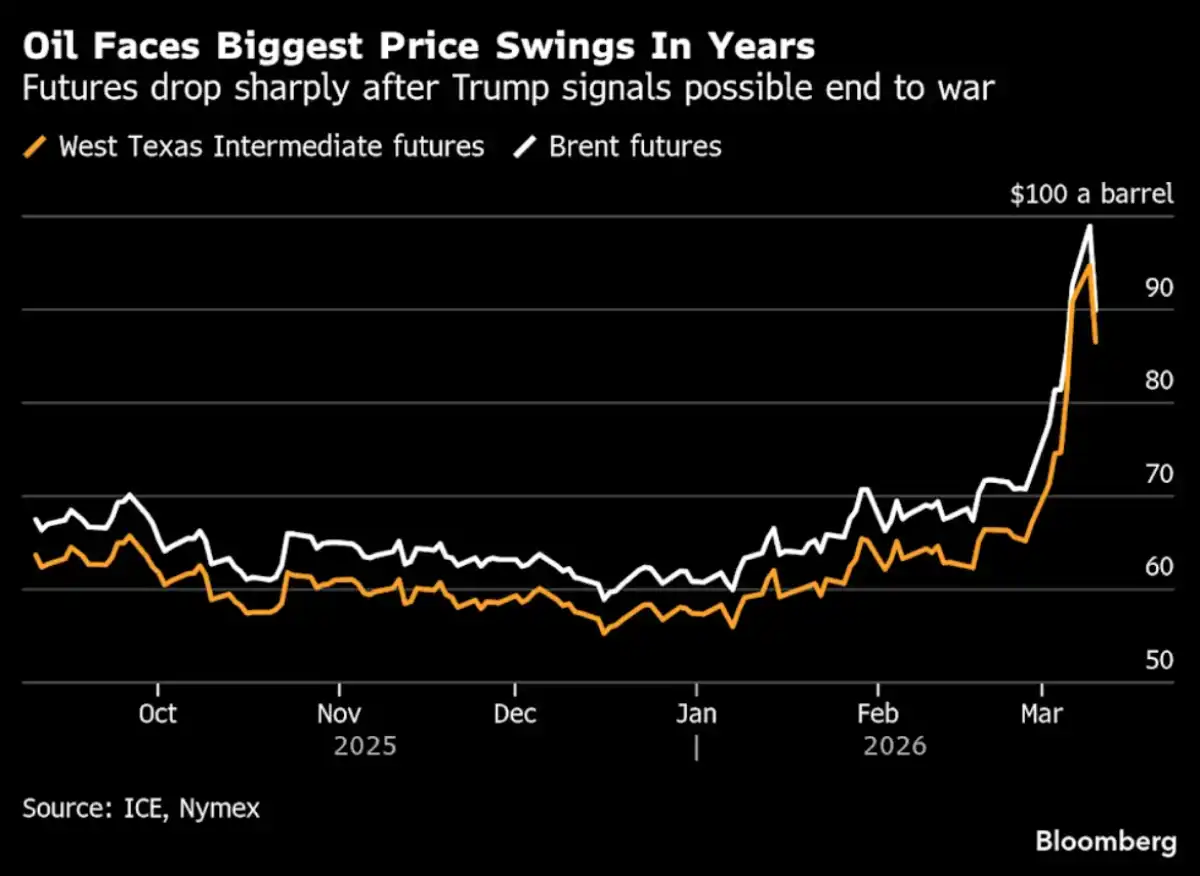


Oil Market Reaction to Trump News Today


4
Another significant reaction to Trump news today occurred in the global oil market, where crude prices responded quickly to shifting geopolitical expectations. Earlier in the week, oil prices had surged as traders grew increasingly concerned that escalating tensions between the United States and Iran could disrupt global energy supplies. Financial markets had begun pricing in the possibility that a wider regional conflict might affect oil production, shipping routes, or export infrastructure across the Middle East.
These fears pushed crude prices higher because the region remains the most important hub for global petroleum production and exports. Any instability in the Middle East tends to ripple across global energy markets because the area produces a substantial share of the world’s crude oil. When traders anticipate potential disruptions to supply, they often build a geopolitical risk premium into oil prices, meaning crude becomes more expensive even before any physical supply interruptions actually occur.
One of the most strategically important locations in the global energy system is the Strait of Hormuz. This narrow waterway serves as a major transit route for oil exports from countries such as Saudi Arabia, Iraq, Kuwait, and the United Arab Emirates. Roughly a fifth of the world’s oil supply passes through this channel each day, making it one of the most critical chokepoints in international trade. Because of this concentration of energy shipments, even the perception that shipping routes could be threatened is enough to send oil prices sharply higher.
During periods of heightened geopolitical tension, energy traders closely monitor naval activity, shipping traffic, and political statements from regional governments. If a conflict were to threaten tanker traffic or oil infrastructure in the region, global markets could experience an immediate supply shock. Such disruptions could rapidly push crude prices higher and potentially trigger broader inflation pressures throughout the global economy.
However, the tone of the market shifted after comments from Donald Trump suggested that tensions with Iran might begin easing sooner than expected. Traders interpreted those remarks as a signal that diplomatic channels could reduce the likelihood of a wider confrontation. As a result, some of the geopolitical risk premium that had been embedded in oil prices began to unwind.
When investors believe that the probability of supply disruptions is declining, crude prices often pull back as traders close positions that were based on the assumption of escalating conflict. That dynamic appears to be driving today’s oil market movement, with crude retreating from earlier highs while still remaining sensitive to further geopolitical developments.
Energy traders and analysts frequently rely on official supply and production data to better understand the direction of oil markets. One of the most widely followed sources of global energy statistics is the U.S. Energy Information Administration. The agency publishes detailed reports on oil inventories, production levels, consumption trends, and global supply forecasts. Investors often monitor these reports through the agency’s official website at , which provides up-to-date statistics used by governments, financial institutions, and energy traders around the world.
In addition to government data, market participants also track real-time analysis from financial news platforms such as and . These sources provide updates on price movements, geopolitical developments, and supply forecasts that influence crude oil trading.
Overall, the reaction in the oil market illustrates how closely energy prices are tied to geopolitical developments. Even subtle shifts in political messaging can alter expectations about supply disruptions, which in turn can move global commodity markets within minutes. While today’s decline in oil prices reflects optimism that tensions may ease, traders remain cautious because the geopolitical situation in the Middle East remains fluid and capable of shifting market sentiment very quickly.
Despite the pullback, oil markets remain volatile because any new escalation could quickly reverse today’s decline.
Gold Prices Hold Firm Despite Stock Market Rally
While global equities rebounded after remarks from Donald Trump suggested that tensions with Iran could begin easing, gold prices remained elevated, highlighting the cautious mood still present in financial markets. The reaction demonstrates a common pattern in periods of geopolitical uncertainty: even when stocks recover, investors often maintain positions in defensive assets until the political situation becomes clearer.
Gold has long been regarded as a safe-haven asset, meaning it tends to attract demand during times of economic instability, geopolitical conflict, or financial market volatility. Unlike stocks or corporate bonds, gold does not depend on corporate earnings, economic growth, or interest rates to maintain its value. Because of this, many investors treat gold as a form of financial insurance during periods when global risks appear elevated.
The geopolitical tensions surrounding the Middle East have been a major driver of precious metals demand in recent days. Earlier market fears centered on the possibility that a prolonged confrontation between the United States and Iran could disrupt global oil supplies, trigger inflation pressures, and potentially slow global economic growth. Those concerns pushed investors toward defensive assets, including gold and government bonds.
When Trump’s comments suggested that diplomatic progress might reduce the likelihood of immediate escalation, equity markets responded quickly with a rebound. However, the gold market reacted more cautiously. Investors appear to believe that although tensions may ease in the short term, the broader geopolitical situation remains unresolved. Because of that uncertainty, many traders are choosing to maintain their gold positions as a hedge against potential volatility in financial markets.
Another factor supporting gold prices is the broader macroeconomic environment. Precious metals often benefit when investors are uncertain about inflation trends, central bank policy decisions, or global economic stability. If energy prices remain volatile due to geopolitical developments, inflation expectations could shift again, which would likely support continued demand for gold as a store of value.
Central bank activity can also influence the gold market. In recent years, several central banks around the world have increased their gold reserves as part of broader strategies to diversify national financial assets. This institutional demand can help support gold prices even when other financial markets experience fluctuations.
Professional traders and institutional investors closely monitor gold market developments through specialized financial platforms. One widely used resource is , which provides real-time data on gold futures prices, technical analysis, and macroeconomic drivers influencing the precious metals market.
Another widely followed source of commodities news is , where investors can track developments related to gold demand, mining production, central bank policies, and global economic conditions. These updates help traders understand how geopolitical events, inflation trends, and monetary policy decisions influence the direction of precious metals markets.
Overall, the resilience of gold prices despite the rebound in equities reflects the cautious tone still present across global financial markets. Investors appear willing to participate in the stock market recovery while simultaneously maintaining protective positions in gold. This dual positioning suggests that although optimism has improved following Trump’s remarks, many market participants remain aware that geopolitical developments can change rapidly and that financial markets may continue to experience volatility in the coming days.
Bond Markets Stabilize After Trump’s Remarks


Bond Market Reaction to Trump News Today


4
Bond markets also reacted noticeably to Trump news today, as investors reassessed the level of geopolitical risk facing the global economy. Political developments can have a strong influence on bond markets because government bonds are widely viewed as some of the safest financial assets available to investors. During periods of geopolitical tension or economic uncertainty, investors often shift capital into these assets in order to protect their portfolios from volatility in equities and other risk-sensitive markets.
When geopolitical tensions rise, demand for government bonds typically increases as investors seek safety. This surge in demand pushes bond prices higher while yields decline, because bond yields move inversely to bond prices. As more investors purchase government debt securities, the return offered by those bonds falls due to the increased demand.
This defensive behavior was evident earlier when concerns about escalating tensions between the United States and Iran prompted investors to move funds into government bonds. The possibility of a broader conflict raised fears that global economic growth could slow, energy prices could surge, and financial markets could experience heightened volatility. In such environments, government bonds—particularly U.S. Treasury securities—often become a preferred destination for capital seeking stability.
However, market sentiment shifted after comments from Donald Trump suggested that tensions might begin to ease and that diplomatic solutions could prevent the conflict from escalating further. Those remarks reduced the immediate perception of geopolitical risk, prompting investors to reassess whether the earlier rush into defensive assets was still necessary.
As a result, bond markets stabilized as traders adjusted their expectations regarding the likelihood of a major global economic shock. Some investors began rotating capital back into equities and other growth-oriented assets, which can offer higher returns when market confidence improves. When capital moves away from bonds and toward equities, bond prices can level off while yields stabilize or move slightly higher.
Bond markets are closely tied to broader economic expectations. Investors monitor government bond yields as indicators of inflation expectations, economic growth prospects, and central bank policy outlooks. Rising yields may signal expectations for stronger economic activity or tighter monetary policy, while falling yields can indicate concerns about slowing growth or rising uncertainty.
Because of their importance to the global financial system, bond markets are continuously monitored by traders, economists, and policymakers. Financial platforms such as provide real-time information on government bond yields from major economies around the world. These tools allow investors to track movements in U.S. Treasury yields, European government bonds, and other key benchmarks that influence financial markets.
Another widely followed source of financial market coverage is , which provides updates on bond markets, macroeconomic data releases, and geopolitical developments affecting global investment flows. Market participants often rely on these platforms to understand how shifts in political sentiment, economic data, and central bank policy influence government debt markets.
Overall, the reaction in the bond market highlights the interconnected nature of global financial assets. Political developments, such as Trump’s remarks regarding potential de-escalation with Iran, can influence investor expectations about economic stability, inflation, and risk appetite. Even subtle changes in geopolitical tone can lead to capital flowing between equities, commodities, and government bonds, shaping market dynamics across the entire financial system.
Why Markets React So Strongly to Trump News


Why Trump News Today Moved Multiple Financial Markets


4
Political developments often play a powerful role in shaping financial markets because government decisions and geopolitical events can rapidly alter expectations about economic stability, energy supply, and global trade. Investors constantly evaluate how political signals might affect inflation, interest rates, commodity prices, and corporate earnings. For this reason, markets often react immediately when major political figures make statements that could influence international relations or economic policy.
In the case of Donald Trump news today, several key factors explain why financial markets across the world moved so quickly. Trump’s remarks about tensions with Iran were interpreted by investors as a potential sign that geopolitical risks might ease. Because the Middle East remains a critical hub for global energy supply and international trade, even subtle changes in diplomatic tone can influence the outlook for multiple asset classes at the same time.
One of the most immediate factors influencing market reactions is energy supply risk. The Middle East produces a significant portion of the world’s crude oil, and any instability in the region can disrupt production or shipping routes. A major concern for investors is the security of oil shipments passing through the Strait of Hormuz, which serves as a key corridor for global energy exports. If tensions threaten shipping activity in this area, oil prices can rise quickly due to fears of supply shortages. Energy traders frequently monitor production data and supply trends through resources such as , which provides detailed reports on global oil inventories and production levels.
Another major factor behind market reactions is inflation expectations. Oil prices influence many sectors of the global economy because energy costs affect transportation, manufacturing, and consumer goods prices. When crude prices surge due to geopolitical risk, businesses often face higher operating costs, which can eventually pass through to consumers in the form of higher prices. This can lead investors to anticipate rising inflation, which in turn influences interest rate expectations and bond yields. Financial analysts often monitor these inflation signals through macroeconomic market coverage such as , which tracks economic trends affecting inflation and monetary policy.
Investor behavior is also strongly shaped by risk sentiment, another reason markets reacted quickly to Trump’s remarks. When political tensions rise or conflicts escalate, investors typically move capital toward defensive assets such as gold, government bonds, or stable currencies. These assets are considered safer during periods of uncertainty. On the other hand, when diplomatic developments suggest that risks may be declining, investors often rotate capital back into equities and other growth-oriented investments. This shift in sentiment can cause stock markets to rebound rapidly, even if the geopolitical situation remains uncertain.
The broader global trade outlook is another important element influencing financial market reactions. Diplomatic progress between countries can improve expectations for international trade flows, supply chain stability, and economic growth. If geopolitical tensions decline, businesses may experience fewer disruptions to shipping routes, commodity supply chains, and cross-border investment. This improved outlook can support global equity markets, particularly sectors that depend heavily on international trade and economic expansion.
Because these factors—energy supply, inflation expectations, investor risk sentiment, and global trade outlook—affect many parts of the economy simultaneously, political developments often trigger cross-market reactions. A single statement from a major political leader can influence stocks, bonds, commodities, and currencies at the same time. That interconnected response is exactly what investors observed today, as markets adjusted rapidly to the evolving geopolitical narrative surrounding Trump’s comments and the possibility of easing tensions in the Middle East.
Market Outlook After Trump News Today
Today’s financial market reaction highlights how closely politics and markets are intertwined.
Stocks rose because investors interpreted Trump’s comments as a sign that geopolitical tensions might ease. Oil prices declined as fears of a supply disruption diminished. Gold remained elevated because uncertainty still exists.
In short, the global market narrative today revolves around a single question:
Is the geopolitical oil shock fading, or just pausing?
If tensions continue to ease, the stock market could extend its rebound and commodity volatility may decline. But if the situation escalates again, oil and gold could quickly regain control of the market narrative.
For traders, analysts, and investors, Trump news today remains one of the most important drivers of global markets on March 10, 2026.
Oil Shock Fears Rock Global Markets as Trump-Iran Crisis Escalates — Stocks, Gold and Forex React