
Trump News Today (March 6, 2026): Oil Shock, Tariffs, and War Risks Shake Global Markets
Trump news today is moving global markets as oil prices surge, tariffs face legal battles, and geopolitical tensions escalate. Here’s how the latest developments are affecting stocks, commodities, and crypto.
Global Markets React to Trump-Related Headlines

Markets around the world are reacting to a series of Trump-related developments in the past 24–48 hours, ranging from energy policy and tariffs to geopolitical tensions in the Middle East.
These headlines are not just political stories—they are financial catalysts capable of moving stocks, oil prices, currencies, and even cryptocurrencies.
On March 6, 2026, three major themes are dominating investor discussions:
- A surge in global oil prices linked to geopolitical conflict
- New tariff battles and legal challenges to Trump’s trade policies
- Potential U.S. intervention in energy markets
Together, these developments are creating one of the most volatile weeks for global markets in months.
1. Oil Prices Surge as Middle East Conflict Escalates

The biggest market story connected to Trump today is the rapid surge in oil prices following escalating conflict involving Iran.
Recent reports show:
- Brent crude has jumped more than 20% this week
- U.S. crude oil has risen sharply toward $80+ per barrel
- It is the largest weekly oil increase since 2020

The spike comes after tensions in the Middle East disrupted shipping through the Strait of Hormuz, a strategic chokepoint that handles about 20% of global oil supply.
Some analysts warn that if the crisis deepens, oil could surge toward $150 per barrel, which would significantly increase global inflation.
Why markets are reacting
Higher oil prices affect:
- airline companies
- transportation firms
- manufacturing costs
- inflation expectations
- central bank policy decisions
Energy companies have been among the few market winners, while sectors sensitive to fuel costs have been hit hardest.
2. Trump Administration Considers (Then Rejects) Oil Futures Intervention
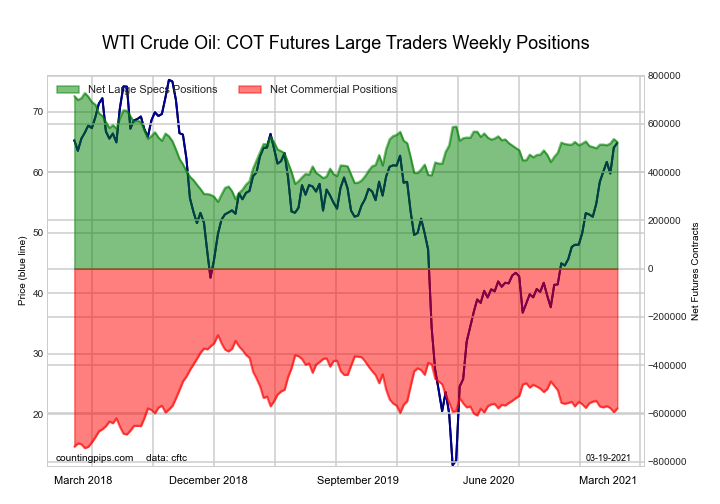
Another major story is the discussion inside the Trump administration about intervening directly in oil futures markets.
Officials reportedly considered using financial tools to reduce oil prices, but the idea was later ruled out for now.
The proposal was unusual because governments traditionally manage oil supply through physical reserves rather than financial markets.
However, officials ultimately concluded the strategy might have limited impact on actual supply shortages.
Market implications
The decision not to intervene means:
- oil prices may remain volatile
- inflation pressure could persist
- energy stocks could continue outperforming
Investors are now closely watching whether the administration may release oil from the Strategic Petroleum Reserve or pursue other measures.
3. Stock Markets Fall on Oil Shock Fears

Global stock markets have already begun reacting to the energy shock.
Recent trading sessions showed:
- Dow Jones falling about 785 points
- S&P 500 and Nasdaq declining
- airline and industrial stocks dropping sharply
Rising oil prices tend to hurt economic growth because they increase costs for businesses and consumers.
At the same time, bond yields have risen as investors fear the oil spike could delay central bank interest-rate cuts.
4. Trump Tariff Policies Create New Trade War Risks

In addition to energy policy, Trump’s global tariff strategy is creating uncertainty for markets.
Recent developments include:
- A 10% global import tariff imposed earlier this year
- Plans to increase the tariff to 15% soon
- Multiple U.S. states launching lawsuits to challenge the policy
The tariffs come after the U.S. Supreme Court ruled that earlier emergency tariffs exceeded presidential authority.
Why investors care
Tariffs can trigger:
- higher inflation
- supply chain disruptions
- slower global growth
- retaliation from other countries
Historically, trade wars have been linked to stock market volatility and currency swings.

5. Massive Tariff Refunds Could Impact U.S. Fiscal Policy
Another unexpected market development is a court order requiring tariff refunds.
Economists estimate the refunds could total $168–182 billion paid back to companies that were charged illegal tariffs.
This could affect:
- government deficits
- Treasury borrowing
- corporate cash flows
A refund of this scale would represent one of the largest trade policy reversals in modern U.S. history.
What Investors Are Watching Next
Financial markets are now monitoring several key developments.
1️⃣ Oil supply disruptions
If the Strait of Hormuz remains unstable, oil could spike further.
2️⃣ Government energy policy
Markets want clarity on whether the U.S. will intervene in energy markets.
3️⃣ Trade negotiations
Tariff disputes could escalate into broader trade conflicts.
4️⃣ Inflation data
Higher energy prices could force central banks to maintain high interest rates longer.
How This Trump News Could Affect Different Markets
| Market | Potential Impact |
|---|---|
| Oil | Strong upward pressure due to supply risks |
| Stocks | Volatility, especially airlines and industrials |
| Gold | Safe-haven demand may increase |
| Bitcoin | Sometimes rises during geopolitical uncertainty |
| Bonds | Yields may rise due to inflation fears |
Weekly Forex Outlook: Key Levels, Macro Drivers & What Traders Should Watch (Week of Mar 1–Mar 7, 2026)
Oil Shock Fears Rock Global Markets as Trump-Iran Crisis Escalates — Stocks, Gold and Forex React
The latest Trump news today (March 6, 2026) highlights how political decisions and geopolitical conflicts can quickly ripple through financial markets.
Rising oil prices, new tariffs, and policy uncertainty are combining to create a period of heightened market volatility.
For investors and traders, the coming days will be crucial as markets assess:
- whether the energy crisis worsens
- how trade disputes evolve
- and whether governments step in to stabilize prices.
In today’s interconnected financial system, even a single policy decision can move trillions of dollars across global markets within hours.
Markets Are Reacting to Trump-Related Headlines


4
Global financial markets are responding to a series of major developments linked to Donald Trump’s economic and geopolitical policies over the past 24–48 hours.
Three key stories dominate Trump news today (March 6, 2026):
- Legal challenges to new global tariffs imposed by the administration
- Rising oil prices amid escalating tensions with Iran
- Court action over billions of dollars in tariff refunds
Together, these developments are creating volatility across stocks, commodities, currencies, and cryptocurrencies.
1. U.S. States Sue Over Trump’s New Global Tariffs
One of the biggest stories today is a multi-state lawsuit challenging new tariffs imposed by the Trump administration.
A coalition of attorneys general from more than 20 U.S. states filed a lawsuit arguing that the tariffs were implemented illegally and violate trade law.
The tariffs were introduced after the U.S. Supreme Court struck down earlier duties imposed under emergency economic powers.
What the policy includes
- A 10% global import tariff initially applied to many goods
- Plans to increase tariffs to 15% in the near future
- A 150-day time limit under Section 122 of the Trade Act
Why markets care
Tariffs directly affect:
- global supply chains
- manufacturing costs
- inflation
- international trade relationships
When tariffs increase, companies that rely on imports often face higher costs, which can reduce profits and slow economic growth.
2. Oil Prices Surge Amid Iran Conflict


4
Another major catalyst for markets is the surge in oil prices following escalating tensions in the Middle East.
The conflict involving Iran has disrupted shipping routes through the Strait of Hormuz, a narrow passage responsible for roughly 20% of global oil supply.
Because of these disruptions:
- Brent crude prices jumped sharply
- Global energy markets experienced significant volatility
- Shipping companies temporarily halted routes through the region
Analysts warn that if disruptions continue, oil prices could climb toward $100 per barrel or higher.
Why this matters for markets
Higher oil prices can:
- increase inflation
- raise transportation costs
- pressure airlines and manufacturing companies
- delay central bank interest-rate cuts
Historically, oil shocks often trigger stock market volatility and economic slowdowns.
3. Trump Administration Weighs Oil Futures Market Intervention

4
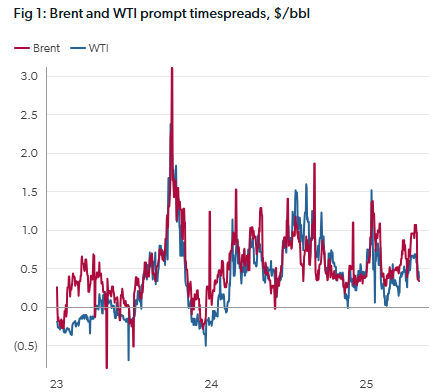
Reports indicate the Trump administration considered intervening directly in oil futures markets to control rising energy prices.
The idea involved using financial tools such as the Exchange Stabilization Fund to influence crude oil prices.
Such an approach would be unusual because governments typically manage oil prices through:
- strategic petroleum reserve releases
- diplomatic pressure on oil producers
- production agreements
Analysts say financial intervention alone may not offset real supply disruptions in energy markets.
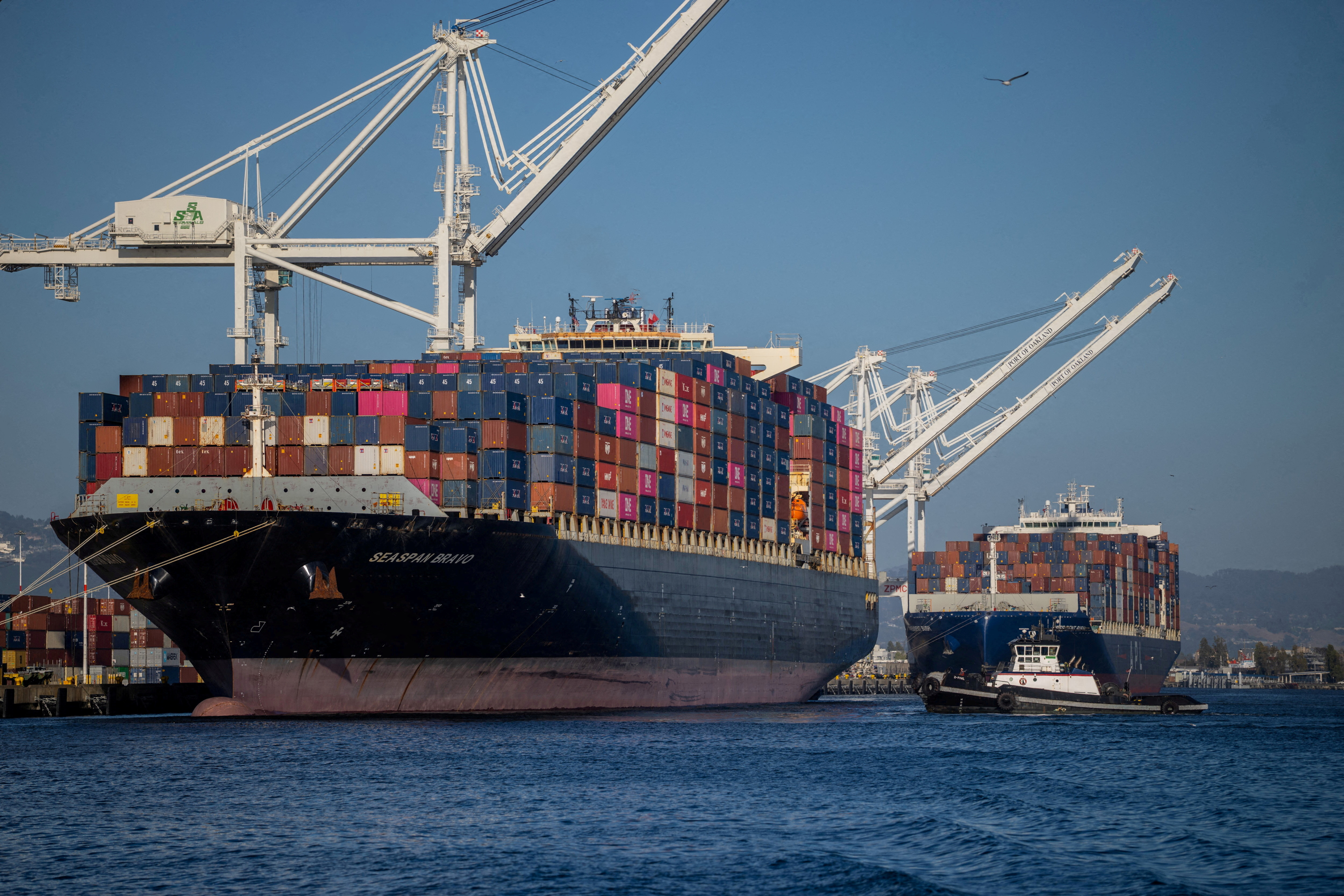
4. Courts Could Force the U.S. to Refund Up to $175 Billion in Tariffs


4
Another major development affecting markets is a court-ordered process to refund tariffs that were ruled unconstitutional.
A federal judge is now working with government lawyers to establish a system for returning as much as $175 billion in tariff payments to companies.
The case could affect:
- more than 2,000 companies
- roughly 300,000 importers across the U.S.
Many of these businesses paid tariffs while the legal disputes were ongoing.
Market implications
A refund of this size could influence:
- corporate balance sheets
- government deficits
- Treasury bond supply
- fiscal policy expectations
In short, it could become one of the largest trade-policy reversals in modern U.S. history.
How Trump’s Policies Are Affecting Global Markets
| Market | Potential Impact |
|---|---|
| Oil | Prices rising due to supply disruption |
| Stocks | Volatility as inflation fears increase |
| Gold | Potential safe-haven demand |
| Currencies | Trade tensions influencing exchange rates |
| Bitcoin | Sometimes rises during geopolitical stress |
Trade wars and geopolitical conflicts historically cause investors to move capital toward safe-haven assets such as gold or government bonds.
What Investors Are Watching Next
Financial markets will closely monitor several developments in the coming days:
1️⃣ Oil supply disruptions
If shipping through the Strait of Hormuz remains unstable, oil could surge further.
2️⃣ Tariff legal battles
Court rulings could determine whether the tariffs remain in effect.
3️⃣ Government energy policy
Markets want clarity on whether the U.S. will release strategic oil reserves.
4️⃣ Inflation data
Higher energy costs could keep interest rates elevated longer.
The Bigger Picture
Trump’s economic policies—especially tariffs and trade conflicts—have historically influenced global markets.
Economic research shows that major tariff announcements often trigger changes in volatility across stocks, currencies, and commodities.
Combined with geopolitical tensions and energy shocks, the current situation could create one of the most volatile trading environments of 2026.
✅ Bottom line:
The biggest drivers of Trump news today (March 6, 2026) are:
- lawsuits over new tariffs
- rising oil prices due to geopolitical conflict
- potential $175 billion tariff refunds
These developments are already influencing energy markets, stock indexes, and investor sentiment worldwide.
This is one of the largest market-moving stories right now.
ources & Further Reading
- Reuters – Oil markets and Iran conflict
- Reuters – Trump tariff refund case
- Washington Post – States sue over Trump tariffs
- Wall Street Journal – Markets react to oil shock